

Blog & Insights
Discover clinical studies, expert guidance, and industry trends on advanced skin imaging and aesthetic diagnostic technology.
Discover clinical studies, expert guidance, and industry trends on advanced skin imaging and aesthetic diagnostic technology.
Choosing the best Sylton Connect skin analysis software in 2026 requires more than comparing attractive dashboards. Beauty professionals need dependable imaging, clear reports, and recommendations that support real consultations. This guide examines Sylton Connect skin analysis software through that practical lens. It considers how the system may perform when clients sit beside a window, arrive with uneven makeup, or move during image capture. Small details can affect the results. Reliable technology should make those limitations visible. It should not present skin estimates as medical diagnoses.
The review will focus on image consistency, report clarity, workflow speed, training needs, and customer support. It will also consider whether the software fits independent salons, clinics, and larger beauty businesses. A useful platform should help practitioners explain visible concerns with confidence, using understandable language and documented evidence. Privacy safeguards, data handling, and vendor transparency matter equally. So does regular software maintenance. A polished first impression is not enough.
No system is perfect.
Real-world testing can reveal weaknesses that demonstrations hide. Lighting may change, facial positioning may vary, and some recommendations may require professional interpretation. That is not necessarily a failure, but it deserves honest discussion. This overview will compare practical strengths with possible gaps, using user experience, technical information, and professional judgement. Readers should treat the findings as guidance, not a substitute for qualified skincare advice. The strongest choice will be the platform that remains useful, transparent, and consistent after the consultation room becomes busy.
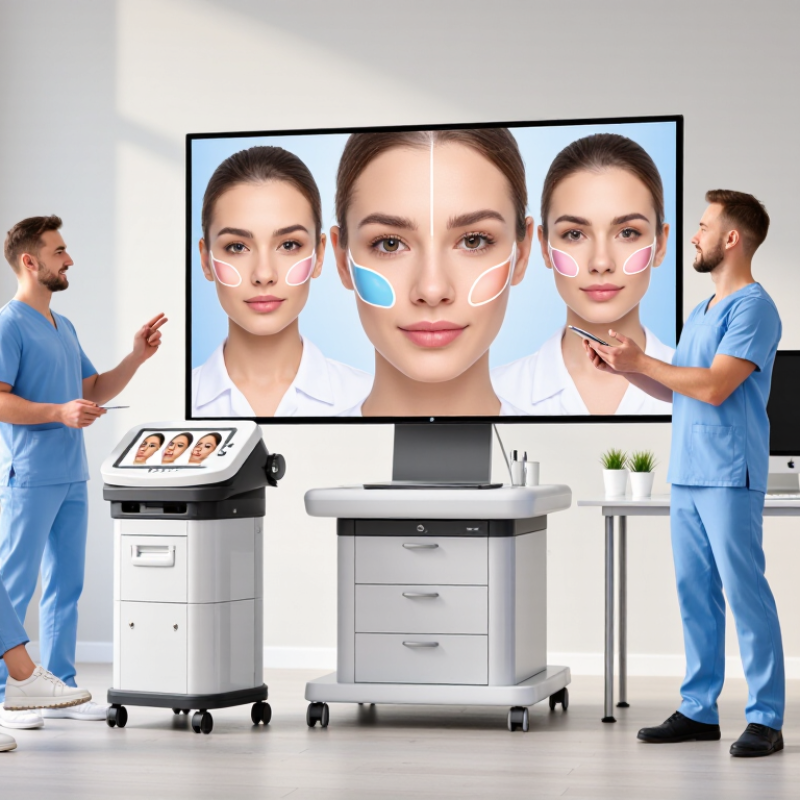
The World Health Organization reports that about 1.8 billion people live with skin conditions worldwide. This makes skin health a major public-health issue, not a niche concern for cosmetic clinics. Dry, inflamed patches, changing lesions, and persistent itching can affect comfort, sleep, work, and confidence. Needs vary widely. Age, skin tone, climate, access to care, and medical history all shape what a person needs. One number cannot describe every experience.
Digital skin-analysis tools may help organize images, record changes over time, and support consistent consultations. For example, a clinician could compare dated photographs of a cheek lesion taken under similar lighting. That record can inform a discussion; it cannot establish a diagnosis on its own. Reliable systems should explain limitations, protect sensitive images, and avoid presenting uncertain results as facts. Lighting, camera quality, and diverse skin tones can affect image interpretation. Human review matters. Software is most useful when it strengthens access and follow-up while trained professionals remain accountable for care. Even then, technology may miss context. That deserves honest attention.
About 1.8 billion people live with skin conditions. Needs differ with age, skin tone, climate, and medical history.
They can organize images and track visible changes over time. A dated cheek photo may help guide a consultation. It cannot diagnose alone.
Similar lighting and camera distance make comparisons more useful. A dim room can change how a patch looks.
Not always. Lighting, camera quality, and skin tone may affect results. Human review remains important.
Try varied ages, skin tones, lighting, and common concerns. Compare three scans and check whether findings stay consistent.
Track consultation minutes, staff training time, and client retention. Compare results over several weeks. The payoff may disappoint.
Clear consent, limited image retention, and controlled access matter. Sensitive photos deserve careful protection.
No. Growth forecasts show opportunity, not daily usefulness. A tool must improve consultations in practice.
Software may miss context or react to changing light. Results can look tidy, but real skin is less predictable.
Plain-language reports, clear limitations, and adjustable controls help. Even then, some uncertainty remains. That part is messy.
Choosing the best Sylton Connect skin analysis software in 2026 requires more than comparing features. The evaluation should begin with the scale of need: approximately 1.8 billion people live with skin conditions, creating demand for accessible, consistent, and responsible digital assessment tools. Sylton Connect should therefore be measured against clinical AI sensitivity benchmarks, with attention to accuracy across different skin types, image quality, repeatability, and the distinction between screening support and professional diagnosis.
Software quality should also be assessed through usability, reliability, security, maintainability, and transparency principles, alongside established AI risk-management practices. Privacy is equally important, since mishandling personal or biometric data can lead to penalties of up to €20 million or 4% of global turnover under applicable regulations. Finally, its 2026 value should be judged against the projected $590 billion beauty market by examining subscription costs, workflow efficiency, customer outcomes, scalability, and evidence of return on investment.