Blog & Insights

Discover clinical studies, expert guidance, and industry trends on advanced skin imaging and aesthetic diagnostic technology.

Blog

China Top Polarized Light Skin Imaging System Suppliers

China Top Polarized Light Skin Imaging System Suppliers

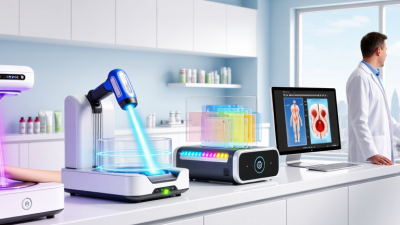
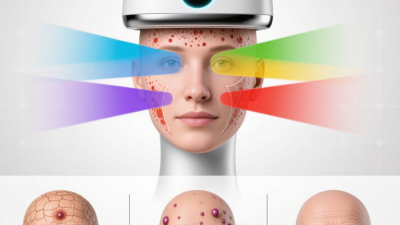
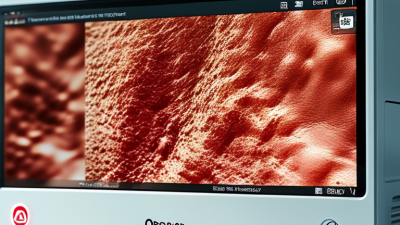
Choosing a Polarized light skin imaging system involves more than comparing product photos or headline specifications. These systems use polarized illumination and imaging to reveal selected skin features, such as surface texture, redness, and pigmentation patterns. Results can vary with lighting, camera settings, software, and how consistently images are captured. China has suppliers serving clinics, beauty businesses, distributors, and research teams. Their offerings may differ in camera resolution, lighting modes, image analysis tools, language options, training, and technical support. Look closely at the details. A clear supplier comparison should explain what each system measures, what it only visualizes, and how images are stored and reviewed. Ask for sample images under realistic conditions, not just polished demonstrations. Check whether the software produces repeatable results across sessions and whether staff can learn the workflow without lengthy training. Small details matter. A comfortable chin rest, stable lighting, and simple image export can make daily use smoother. Yet a sophisticated interface does not guarantee useful measurements, and marketing claims deserve careful verification. Request written specifications, warranty terms, calibration guidance, and references where available. This article introduces notable China-based suppliers and practical points for evaluating their systems. It does not treat imaging as a standalone diagnosis. Skin images can support professional assessment, but interpretation requires appropriate expertise. And there are limits. Comparing vendors carefully helps buyers identify equipment suited to their setting, budget, and intended use, while recognizing that no single system is ideal for every workflow.
Read more »
Evelyn By:Evelyn - October 29, 2026
2026 Top Types of Fluorescence Light Skin Scanners

2026 Top Types of Fluorescence Light Skin Scanners

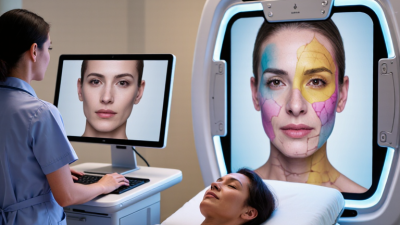
The 2026 market for Fluorescence light skin scanner technology is becoming more specialized. Clinics now compare ultraviolet fluorescence systems, blue-light scanners, multispectral platforms, and AI-assisted imaging devices. Each type reveals different visual signals, including surface oil, pigment patterns, hydration changes, and hidden pore congestion. However, these signals are not medical diagnoses. Dr. R. Rox Anderson, a leading authority in laser medicine and dermatologic technology, has expressed a useful principle: “A device is only as useful as the question it answers.” This idea matters when selecting a Fluorescence light skin scanner. A bright image may look impressive, but image quality, calibration, operator training, and clinical interpretation matter more. Experienced practitioners examine the patient’s skin under consistent lighting, record baseline images, and compare changes over time. The strongest scanners do not simply produce colorful maps. They support repeatable observation. Some systems use narrow-band blue illumination to highlight bacterial-related fluorescence. Others combine ultraviolet and visible wavelengths for broader surface analysis. Multispectral models can offer richer data, but they may require more training and higher maintenance costs. AI features can improve organization, yet they should not replace professional judgment. The ranking is not perfectly settled. A practical buyer should question exaggerated claims, request validation data, and inspect real workflow details. Can the scanner capture stable images on different skin tones? Does it protect patient privacy? Can clinicians explain the results clearly? These questions make the 2026 comparison more useful, realistic, and trustworthy.
Read more »
Charlotte By:Charlotte - October 24, 2026
China Top 10 Clinical Skin Diagnostic Camera Suppliers

China Top 10 Clinical Skin Diagnostic Camera Suppliers

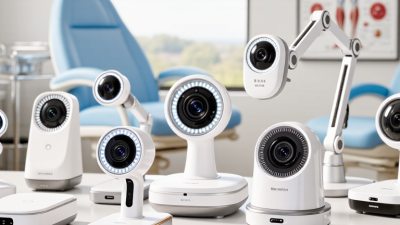
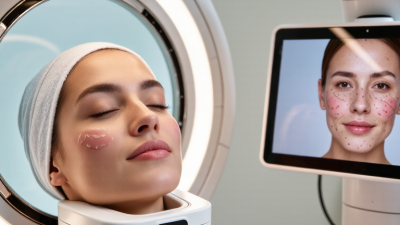
China has become an important source of clinical imaging equipment, including systems designed for dermatology, aesthetic medicine, and professional skincare. This guide introduces ten notable Chinese suppliers of the Clinical skin diagnostic camera. It focuses on practical performance rather than promotional claims. The comparison considers image clarity, lighting consistency, facial mapping, ultraviolet analysis, software usability, and data security. It also examines manufacturing experience, quality management, technical support, and customization options. In a real clinic, small details matter. A stable camera arm can improve repeated imaging. Clear reports can help patients understand changes in pigmentation, pores, redness, and texture. Responsive after-sales service may matter as much as optical specifications. Supplier information can change over time. No list is flawless. Some companies publish detailed technical data, while others provide limited evidence. Therefore, readers should request sample images, calibration records, warranty terms, training resources, and regulatory documentation before purchasing. Independent clinical evaluation remains valuable, especially when comparing artificial intelligence analysis with professional judgment. A camera should support assessment, not replace a qualified clinician. This overview is intended for clinic owners, distributors, dermatology professionals, and medical device buyers seeking a clearer starting point. The selected suppliers are discussed through an evidence-aware lens, balancing product capability with reliability and real-world usability. Yet performance may vary by configuration, software version, operator training, and local compliance requirements. Careful verification is still necessary.
Read more »
Evelyn By:Evelyn - October 19, 2026
Why Use a Medical Aesthetics Consultation Device?

Why Use a Medical Aesthetics Consultation Device?

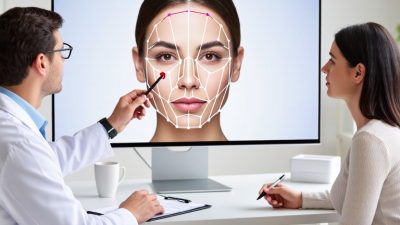
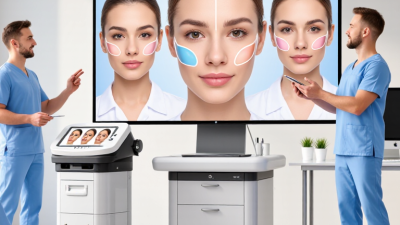
Why Use a Medical Aesthetics Consultation Device? A Medical aesthetics consultation device can turn an abstract treatment discussion into a visible, structured experience. A patient can review facial images, mark concerns, compare measured changes, and discuss realistic outcomes before making a decision. That matters in a market growing more complex. The International Society of Aesthetic Plastic Surgery reported 19.1 million non-surgical aesthetic procedures worldwide in 2023. The American Society of Plastic Surgeons also recorded continued demand for minimally invasive treatments in the United States. The device does not replace clinical judgment. It supports it. A qualified practitioner still needs medical history, skin assessment, contraindication screening, and informed consent. Dr. Michael H. Gold, a dermatologist and aesthetic medicine expert, has emphasized, “The consultation is the most important part of the process.” That principle explains the device’s value: better visualization can improve communication, not guarantee a result. In a practical consultation, a patient might see a three-dimensional facial scan on a clinic monitor, then compare lighting, symmetry, and treatment areas. Small details become easier to discuss. Expectations become more specific. Documentation also becomes clearer for follow-up appointments. Yet the technology has limits. Digital simulations may appear more certain than real biology allows. Facial expressions, healing, age, and treatment response can change the final outcome. Clinics should explain those uncertainties plainly. Used responsibly, a Medical aesthetics consultation device strengthens patient education, supports consistent records, and helps clinicians build trust through evidence rather than pressure.
Read more »
Charlotte By:Charlotte - October 14, 2026
7 Tips for Hands Neck and Decollete Skin Analyzer Buyers

7 Tips for Hands Neck and Decollete Skin Analyzer Buyers

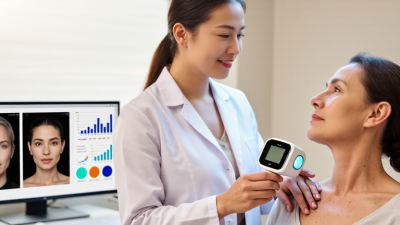
Buying a Hands neck and decollete skin analyzer requires more than comparing screen size, camera pixels, or software claims. These areas show visible dryness, pigmentation, fine lines, and uneven texture, yet they are often assessed less consistently than the face. The Skin Cancer Foundation reports that up to 90% of visible skin aging may result from ultraviolet exposure. This makes controlled lighting and UV-related assessment important. It also makes careless interpretation risky. The global beauty market could reach approximately $580 billion by 2027, according to McKinsey’s “The Beauty Market in 2023” report. Growing demand encourages more clinics, salons, and retailers to purchase diagnostic equipment. However, market growth does not guarantee measurement quality. A useful analyzer should provide repeatable images, clear scoring methods, hygienic contact procedures, and practical training. Ask whether its results remain stable under different room temperatures and lighting conditions. Small details matter. Look beyond impressive demonstrations. Check calibration records, software update policies, warranty terms, data protection controls, and compatibility with existing consultation systems. The device should help trained professionals discuss skin conditions, not replace clinical judgment. No analyzer is perfectly objective. That is worth remembering. A reflective neck surface, body hair, makeup residue, or recent skincare product can distort readings. Buyers should request real test reports, not only polished brochures. This guide, “7 Tips for Hands Neck and Decollete Skin Analyzer Buyers,” examines those purchasing decisions through practical experience, technical evidence, and responsible consultation standards. It also questions common assumptions, because a cheaper device may cost more when results cannot be trusted.
Read more »
Charlotte By:Charlotte - October 9, 2026
7 Tips for Choosing a Multispectral Facial Skin Analyzer?

7 Tips for Choosing a Multispectral Facial Skin Analyzer?

Choosing a Multispectral facial skin analyzer requires more than comparing camera counts or colorful reports. The right device should reveal details that ordinary lighting misses, such as uneven pigmentation, redness, pores, and hidden sun damage. Dr. David H. McDaniel, a dermatologist and skin-aging researcher, has stated, “Imaging should support clinical judgment, not replace it.” That principle matters. A screen cannot diagnose every condition. This guide presents seven practical tips for selecting a reliable system. Check the illumination modes and confirm whether they capture consistent multispectral images. Ask how the device is calibrated before each examination. Review the software’s measurement method, not just its attractive heat maps. A clear report is useful. A mysterious score is not. Examine repeatability by scanning the same face under controlled conditions. Small changes in room light can distort comparisons. Confirm whether the analyzer supports different skin tones fairly, since uneven performance can undermine trust. Training also matters. Even advanced equipment produces weak results when operators position the face poorly. Consider workflow, maintenance, data security, and after-sales support. A compact analyzer may fit a busy clinic better than a powerful but awkward system. Request sample reports from real cases, including dry skin, acne marks, and mature skin. Do not rely on one impressive demonstration. I would also question claims promising perfect accuracy. No device is perfect. That uncomfortable detail is easy to ignore. A careful buyer compares technical evidence, user experience, and clinical usefulness together. The best Multispectral facial skin analyzer should make observations clearer, decisions more consistent, and patient conversations more honest.
Read more »
Charlotte By:Charlotte - October 4, 2026
Best Sylton Connect Skin Analysis Software in 2026?

Best Sylton Connect Skin Analysis Software in 2026?

Choosing the best Sylton Connect skin analysis software in 2026 requires more than comparing attractive dashboards. Beauty professionals need dependable imaging, clear reports, and recommendations that support real consultations. This guide examines Sylton Connect skin analysis software through that practical lens. It considers how the system may perform when clients sit beside a window, arrive with uneven makeup, or move during image capture. Small details can affect the results. Reliable technology should make those limitations visible. It should not present skin estimates as medical diagnoses. The review will focus on image consistency, report clarity, workflow speed, training needs, and customer support. It will also consider whether the software fits independent salons, clinics, and larger beauty businesses. A useful platform should help practitioners explain visible concerns with confidence, using understandable language and documented evidence. Privacy safeguards, data handling, and vendor transparency matter equally. So does regular software maintenance. A polished first impression is not enough. No system is perfect. Real-world testing can reveal weaknesses that demonstrations hide. Lighting may change, facial positioning may vary, and some recommendations may require professional interpretation. That is not necessarily a failure, but it deserves honest discussion. This overview will compare practical strengths with possible gaps, using user experience, technical information, and professional judgement. Readers should treat the findings as guidance, not a substitute for qualified skincare advice. The strongest choice will be the platform that remains useful, transparent, and consistent after the consultation room becomes busy.
Read more »
Alexander By:Alexander - September 29, 2026
China Top 10 Aesthetic Medicine Diagnostic Device Suppliers?

China Top 10 Aesthetic Medicine Diagnostic Device Suppliers?

China’s aesthetic medicine market is expanding, but reliable diagnosis must guide every treatment decision. This is where an Aesthetic medicine diagnostic device becomes important. High-quality systems can reveal pigmentation, vascular changes, skin texture, elasticity, and facial asymmetry before a procedure begins. Dr. Jean Carruthers, a pioneer of modern aesthetic medicine, has said, “The goal is not to make people look different, but to make them look better.” This principle remains practical. A clinic should not select equipment based only on image quality, price, or marketing claims. It should examine measurement accuracy, clinical usability, software stability, training support, maintenance, and data protection. This guide reviews China’s top 10 Aesthetic medicine diagnostic device suppliers through those criteria. The selection considers manufacturers of facial imaging systems, skin analyzers, ultrasound platforms, and related assessment technologies. Supplier experience matters. So does evidence from real clinical environments. Some companies offer polished interfaces but limited validation. Others provide strong engineering and weaker international support. That difference is easy to miss. The ranking is therefore not absolute. It reflects available company information, product capability, service coverage, and suitability for professional clinics. Buyers should still verify certifications, clinical documentation, warranty terms, and local regulatory requirements before purchasing. A useful device should produce clearer decisions, not merely more colorful images. Good diagnosis comes first. Better outcomes follow.
Read more »
Charlotte By:Charlotte - September 19, 2026
Why Choose a Cosmetic Dermatology Skin Scanner?

Why Choose a Cosmetic Dermatology Skin Scanner?

Choosing the right cosmetic treatment often begins with understanding the skin beneath ordinary bathroom lighting. A Cosmetic dermatology skin scanner offers a closer, more structured view of visible concerns, including uneven tone, enlarged pores, fine lines, redness, and sun-related changes. Its specialized lighting and imaging systems can reveal details that a mirror may miss. That information can support a more informed consultation. A trained dermatology professional may compare images, discuss realistic goals, and develop a treatment plan based on the patient’s skin condition. Follow-up scans can also help document gradual changes after skincare or cosmetic procedures. Small changes matter. However, the technology is not flawless. Image quality can vary with lighting, camera positioning, skin moisture, and device calibration. A scanner may highlight a concern without explaining its medical cause. It should support professional judgment, not replace a clinical examination or qualified advice. This distinction is important for safe and ethical care. Reliable clinics should explain how the device works, protect personal images, and avoid promising guaranteed results. They should also discuss limitations before recommending products or procedures. From practical experience, clear communication often matters as much as advanced equipment. Patients deserve understandable evidence, honest expectations, and time to ask questions. A Cosmetic dermatology skin scanner is most valuable when it becomes part of a careful assessment process. Used responsibly, it can make consultations more visual, measurable, and personalized. Used carelessly, it may create confusion. That balance deserves attention.
Read more »
Evelyn By:Evelyn - September 11, 2026
5 Tips for Buying an Observ 320 Skin Analysis System?

5 Tips for Buying an Observ 320 Skin Analysis System?

Buying an Observ 320 skin analysis system is not simply a matter of choosing the most attractive screen. It is a clinical and business decision that can influence consultations, treatment planning, and client trust. A useful system should produce consistent images, support clear documentation, and fit naturally into your existing workflow. Before comparing prices, consider who will operate it, which skin concerns you assess, and how results will be explained to clients. Small details matter. Room lighting, camera position, and staff technique can affect the experience. This guide presents five practical tips for evaluating an Observ 320 skin analysis system. The focus is not on impressive demonstrations alone. Ask for a live demonstration, request technical specifications, and examine how the device handles repeat scans. Check whether reports are understandable, editable, and easy to share securely. Confirm training, software updates, warranty coverage, and response times for technical support. If possible, speak with current users who have similar clinic sizes and consultation routines. Their daily experience may reveal limits that a sales presentation overlooks. A careful buyer should also question every attractive claim. Does the system provide useful visual information, or merely colorful images? Can staff interpret the results responsibly without overstating findings? No device replaces professional judgment, appropriate referral, or informed client consent. Regulations and data-protection duties may vary by location, so verify local requirements before purchase. The right choice may not be the newest model. It should be dependable, practical, and suitable for your team. Leave room for doubt. That is often where better decisions begin.
Read more »
Charlotte By:Charlotte - September 11, 2026
How to Choose an Observ 520x Skin Imaging Device?

How to Choose an Observ 520x Skin Imaging Device?

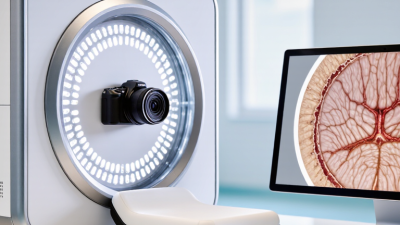
Choosing a professional skin imaging system is not simply a matter of selecting the highest magnification. The right device should produce clear, repeatable images that support careful skin assessment and patient communication. An Observ 520x skin imaging device may appear attractive, but its practical value depends on image quality, lighting consistency, software usability, and staff training. A useful evaluation begins with daily clinical workflow. Can the device capture a stable image within seconds? Does it show pores, pigmentation, redness, and texture without confusing shadows for skin changes? Operators should examine sample images under identical conditions, much like comparing photographs taken beside the same window. Connectivity also matters. The system should fit existing records, reporting procedures, and privacy safeguards. Manufacturer documentation, service support, warranty terms, and independent professional feedback deserve equal attention. No device is perfect. Even experienced practitioners can interpret an image incorrectly when lighting, positioning, or skin preparation changes. This guide therefore considers both strengths and limitations, rather than treating technology as a substitute for professional judgment. Readers should verify technical specifications with the manufacturer and follow applicable healthcare, data protection, and advertising requirements in their region. A careful choice can improve consultations, but only when reliable imaging is combined with trained observation and honest communication. That balance matters most.
Read more »
Charlotte By:Charlotte - September 11, 2026