
Blog & Insights

Discover clinical studies, expert guidance, and industry trends on advanced skin imaging and aesthetic diagnostic technology.

0%

Choosing a Polarized light skin imaging system involves more than comparing product photos or headline specifications. These systems use polarized illumination and imaging to reveal selected skin features, such as surface texture, redness, and pigmentation patterns. Results can vary with lighting, camera settings, software, and how consistently images are captured.

China has suppliers serving clinics, beauty businesses, distributors, and research teams. Their offerings may differ in camera resolution, lighting modes, image analysis tools, language options, training, and technical support. Look closely at the details. A clear supplier comparison should explain what each system measures, what it only visualizes, and how images are stored and reviewed. Ask for sample images under realistic conditions, not just polished demonstrations. Check whether the software produces repeatable results across sessions and whether staff can learn the workflow without lengthy training.

Small details matter. A comfortable chin rest, stable lighting, and simple image export can make daily use smoother. Yet a sophisticated interface does not guarantee useful measurements, and marketing claims deserve careful verification. Request written specifications, warranty terms, calibration guidance, and references where available. This article introduces notable China-based suppliers and practical points for evaluating their systems. It does not treat imaging as a standalone diagnosis. Skin images can support professional assessment, but interpretation requires appropriate expertise. And there are limits. Comparing vendors carefully helps buyers identify equipment suited to their setting, budget, and intended use, while recognizing that no single system is ideal for every workflow.
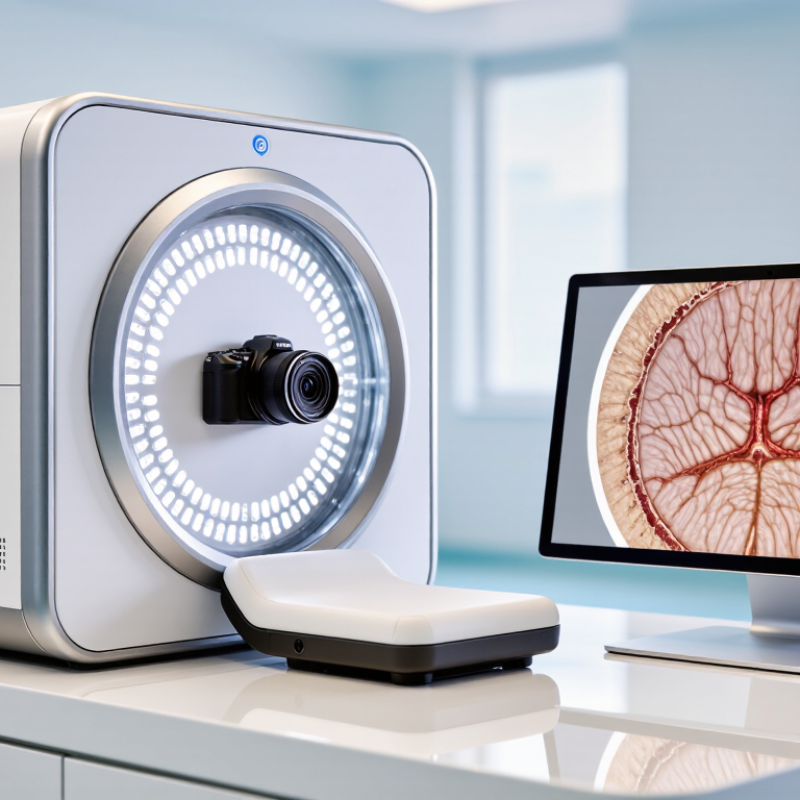
China Top Polarized Light Skin Imaging System Suppliers

What Is a Polarized Light Skin Imaging System?

A polarized light skin imaging system uses controlled illumination and a camera to photograph the skin while reducing distracting surface glare. Cross-polarized light suppresses reflections from oil and moisture, making redness, pigmentation, and some subsurface details easier to inspect. Parallel-polarized images retain more surface information, such as texture and fine lines. Some systems capture both views.

The difference is visible in practice. A shiny forehead may obscure uneven tone under ordinary lighting; crossed polarizers can make that glare less prominent. It is still an image, not a diagnosis. Skin tone, camera distance, room lighting, and calibration can all affect the result. Small setup differences matter.

A 2018 Cochrane review of dermoscopy, a related optical examination method, reported roughly 92% sensitivity and 79% specificity for in-person melanoma assessment. Those figures describe dermoscopy studies, not the performance of every polarized imaging system. That distinction matters. For supplier comparisons, check whether the system documents its light source, image repeatability, and measurement method. Ask for repeat-capture data using the same skin area and lighting conditions. Even a clean-looking image can mislead if settings change between visits.

How Polarized Light Imaging Reveals Skin Conditions

Polarized light imaging helps clinicians examine skin by controlling how light reflects from its surface. Cross-polarized images reduce glare, making underlying color variations easier to see. Red or brown patches may appear more distinct, while fine differences in tone can help document pigmentation patterns. With consistent lighting and camera distance, clinicians can compare images over time.

Small details matter. A shiny spot can hide redness; a slight shift in exposure can change its apparent color. Some systems capture both polarized and standard images, showing surface texture alongside deeper visual patterns. This can support assessment of acne-related redness, uneven pigmentation, and visible blood vessels, but it does not confirm a diagnosis by itself. A trained professional must consider symptoms, medical history, and direct examination. Not every mark tells the same story. Even clear images can be misleading when skin is dry, makeup remains, or lighting is poorly controlled. That limitation deserves attention: the picture is useful evidence, not the whole patient.

Key Features of Systems Offered by Chinese Suppliers

China-based suppliers offer polarized light skin imaging systems with configurable illumination, cameras, and analysis software. Cross-polarized light can reduce surface glare, making redness and pigmentation easier to inspect. Parallel-polarized images emphasize surface detail, including pores and fine lines. Both views can help practitioners compare visible features under consistent conditions. The distinction matters.

Many systems use adjustable LED panels and a fixed camera distance. A chin rest or marked positioning area helps keep the face aligned between sessions. Some software stores image sets and displays them side by side, while measurement tools estimate color or texture changes. These outputs depend on lighting, skin preparation, and operator technique; they should not be treated as diagnoses.

Ask suppliers for sample images taken under documented settings, plus details about camera resolution, illumination uniformity, and calibration procedures. A clear workflow is useful: clean the lens, position the subject, capture each lighting mode, then review the images. Results can still vary with exposure settings or room light. That is easy to overlook. Training materials, maintenance guidance, and technical support also affect daily reliability. Requesting a demonstration with the intended room setup can reveal practical limits before purchase.

Types of Chinese Polarized Light Skin Imaging Suppliers

China’s polarized light skin imaging suppliers generally fall into several practical categories. OEM manufacturers build equipment to a buyer’s specifications, such as camera layout, enclosure design, or interface language. They may suit distributors seeking customized products, but buyers should confirm who handles testing and after-sales support.

Integrated system developers combine polarized illumination, imaging hardware, analysis software, and reporting tools. Their systems may capture redness, pores, texture, and pigmentation under repeatable lighting. Ask for sample reports and details about calibration, image storage, and software updates. Component-focused suppliers provide items such as optical filters or lighting modules, while trading companies coordinate sourcing and export. These roles can overlap. A polished demonstration does not always reveal how consistently a system performs across different skin tones or room conditions. That deserves a closer look.

Tips: Request images captured under fixed lighting, not only showroom examples. Check whether operating instructions explain camera distance and positioning. Clarify warranty coverage, spare-part availability, and response times in writing. If possible, compare repeat scans of the same subject. Small differences matter.

Types of Chinese Polarized Light Skin Imaging System Suppliers

Typical offering scope by supplier type. A value of 1 means the function is commonly included in that supplier type’s offering; it does not indicate in-house manufacturing.

This is an illustrative supplier-category comparison, not market-share data. Actual product scope varies by supplier and model.

How to Evaluate and Select a Supplier in China

A reliable supplier should explain how its polarized light skin imaging system produces repeatable images, not just show attractive sample photos. Ask about camera resolution, lighting consistency, image-storage options, and how the system controls room light. Request a live demonstration using the same subject under identical settings. Small differences matter.

Check the supplier’s manufacturing experience and quality process. Ask how often imaging units are calibrated, what checks happen before shipment, and whether you can review anonymized test records. A factory visit or video walkthrough can reveal practical details, such as clean assembly areas and labeled inspection equipment. Verify that manuals, training, installation, and software updates are included in writing. Vague promises deserve follow-up.

Evaluate service after delivery, too. Confirm response times, spare-part availability, warranty coverage, and whether remote troubleshooting is available in your region. Ask for references from clinics or distributors with similar workloads, then speak with them directly when possible. A pilot installation can expose issues that a polished presentation misses. I would not rely on price alone; however, supplier interviews can still feel reassuring without proving long-term performance. Compare documented results, support terms, and total operating costs before choosing.

FAQS

What does polarized light imaging show?

Cross-polarized images reduce surface glare. Redness, brown patches, and subtle pigment differences may become easier to see.

Can these images diagnose a skin condition?

No. Images provide useful evidence, not a diagnosis. A trained professional must also consider symptoms, medical history, and direct examination.

Why capture both polarized and standard images?

Polarized images can show color patterns, while standard images reveal surface texture. Seeing both gives more context. Still, pictures can mislead.

What can affect image quality?

Room lighting, camera distance, exposure, dry skin, and leftover makeup can change the result. A shiny spot may hide redness.

How can clinics compare images over time?

Use consistent lighting, camera distance, and positioning. Repeat scans of the same subject can reveal whether small differences are real or accidental.

What types of suppliers offer these systems?

Some manufacturers customize equipment. Integrated developers combine lighting, cameras, software, and reports. Other suppliers focus on components or coordinate sourcing.

What should buyers ask suppliers before choosing?

Ask about calibration, camera resolution, image storage, software updates, and room-light control. Request sample reports and written warranty terms.

How can buyers check a system’s performance?

Request a live demonstration using identical settings. Compare repeat scans, review anonymized test records, and speak with similar clinics when possible.

What support should be confirmed before purchase?

Confirm training, installation, spare parts, response times, and remote troubleshooting in writing. A pilot can expose issues; polished demonstrations may not.

Is a low price enough to guide the decision?

No. Compare documented performance and total operating costs. Supplier interviews can feel reassuring, but they do not prove long-term reliability.

Conclusion

A Polarized light skin imaging system uses controlled illumination and specialized imaging technology to capture skin details that may be difficult to see under ordinary lighting. By comparing images taken with different polarization settings, it can help reveal surface texture, redness, pigmentation patterns, and other visible characteristics. These images support structured skin assessment and documentation, but should be interpreted alongside professional judgment rather than treated as a standalone diagnosis.

Chinese suppliers may offer systems with features such as high-resolution cameras, adjustable lighting, image comparison tools, and analysis software. They include manufacturers, technology developers, and trading or integration companies, whose capabilities and service arrangements can vary. When evaluating a supplier, consider image quality, system usability, software functions, product documentation, customization options, after-sales support, and the supplier’s ability to provide clear demonstrations. Comparing these factors helps buyers identify a solution suited to their intended setting and workflow.

Evelyn

Evelyn

Evelyn is a professional marketing specialist with a strong understanding of the company’s products, customers, and industry trends. With a thoughtful, research-driven approach, she creates informative blog content that helps readers better understand product features, practical applications, and......