1. The Strategic Paradigm Shift in Skin Consultation Diagnostic Hardware
In modern aesthetic medicine, cosmetic dermatology, and high-end medspas, patient expectations have fundamentally shifted. Traditional consultation models relying solely on visual tactile inspection or standard ambient photographs are no longer sufficient to establish patient trust, justify high-ticket treatment regimens, or measure longitudinal micro-structural skin changes. Global procurement directors and clinic leaders are rapidly replacing legacy cameras with advanced skin consultation diagnostic hardware that reveals subsurface pathology long before it manifests on the epidermal surface.
To understand why specialized diagnostic hardware has transitioned from a luxury addition to an indispensable clinical asset, one must examine the optical limitations of the human eye. Human skin is a highly dynamic, multi-layered biological structure consisting of the stratum corneum, epidermis, papillary dermis, and reticular dermis. Light interacting with skin undergoes complex absorption and scattering events dictated by chromophores such as melanin, hemoglobin, porphyrins, and structural collagen networks. Standard room lighting creates specular reflection (glare), effectively blinding clinicians to deep dermal chromophore concentrations.
Professional skin consultation diagnostic hardware solves this optical barrier by utilizing patented, multi-spectral lighting arrays, precise polarizers, and controlled illumination geometry. By capturing skin under distinct nanometer-wavelength bands, clinicians can objectively quantify vascular inflammation, sub-surface hyperpigmentation, porphyrin bacterial activity, structural elastosis, and barrier integrity. The result is an undeniable visual narrative that elevates consultation authority, eliminates guesswork, and dramatically boosts patient treatment acceptance rates.

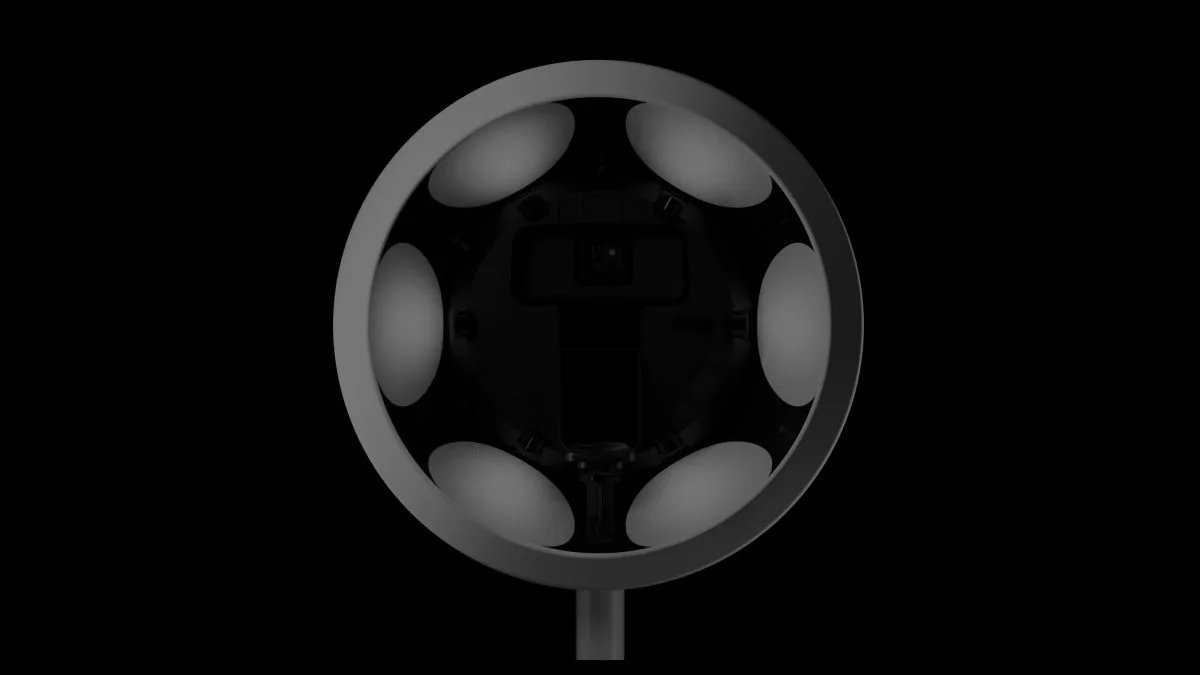
Figure 1: Standardized, multispectral optical enclosure providing zero-ambient-interference skin diagnostic capture.
2. Physics of Diagnostic Hardware: Deconstructing Multispectral Imaging
For procurement directors evaluating B2B diagnostic hardware investments, technical superiority lies within the precision of the optical engine. Sylton's Observ technology platform represents the pinnacle of European optical engineering, replacing simple white-light cameras with multi-modal optical diagnostic hardware. Below is a detailed technical analysis of the essential illumination modalities engineered into leading diagnostic hardware:
2.1 Daylight & Surface Texture Analysis
Standardized daylight illumination models skin under natural daylight spectrum (6500K color temperature), establishing an unbiased, calibrated baseline image. Unlike non-standardized office lighting, which varies by time of day and room location, calibrated daylight mode isolates fine micro-relief, superficial lines, surface roughness, and visible tonal unevenness.
2.2 Cross-Polarized Light: Sub-Surface Chromophore Isolation
Cross-polarized illumination is the cornerstone of clinical vascular and pigment diagnostics. In this optical configuration, light passes through a linear polarizing filter before illuminating the face. A secondary polarizing filter, oriented at 90 degrees relative to the first filter, is positioned in front of the camera lens. This optical arrangement completely blocks specularly reflected light from the outer stratum corneum while capturing only diffusely scattered light returning from deeper dermal layers.
- Vascular Erythema & Telangiectasia: Cross-polarized light isolates oxygenated and deoxygenated hemoglobin pathways, rendering rosacea, neovascularization, post-inflammatory erythema (PIE), and micro-vessel dilation immediately visible.
- Dermal Pigmentation Mapping: Melanin clusters residing at the basal layer or upper dermis—such as deep melasma, solar lentigines, and post-inflammatory hyperpigmentation (PIH)—are clearly separated from surface skin reflection.
2.3 Parallel-Polarized Light: Epidermal Surface Topography
In contrast to cross-polarization, parallel-polarized imaging aligns the light source polarization vector with the camera lens polarizer. This configuration maximizes surface specular reflection, dramatically accentuating minute surface imperfections, skin pore geometry, fine wrinkles, dehydration lines, and keratosic buildup. It allows practitioners to assess stratum corneum integrity with sub-millimeter detail.
2.4 Wood's Light & UV Fluorescence Diagnostics
By shifting illumination wavelengths into the near-ultraviolet spectrum (365nm to 395nm), skin consultation diagnostic hardware triggers autofluorescence in skin lipids, proteins, and metabolic byproducts. Wood's Light mode illuminates porphyrin secretions produced by Cutibacterium acnes as bright fluorescent spots, revealing active bacterial colonization before papules form. Furthermore, UV fluorescence exposes latent sun damage, altered lipid film distribution, and compromised epidermal barrier function.
2.5 Complexion & Pigment Contrast Enhancement
Advanced diagnostic platforms synthesize spectral data to generate enhanced contrast maps that exaggerate subtle tonality shifts. This provides clinicians with clear visual evidence to explain why targeted preventive treatments—such as IPL, Q-switched lasers, or topical tyrosinase inhibitors—are strictly necessary even when skin appears intact to the naked eye.
3. Recommended Hardware Systems for Aesthetic Clinics & Medspas
When selecting professional skin consultation diagnostic hardware, clinics must match device capabilities with practice volume, clinical specialization, and physical room setup. Sylton offers an industry-leading range of diagnostic hardware solutions tailored to every aesthetic sector.
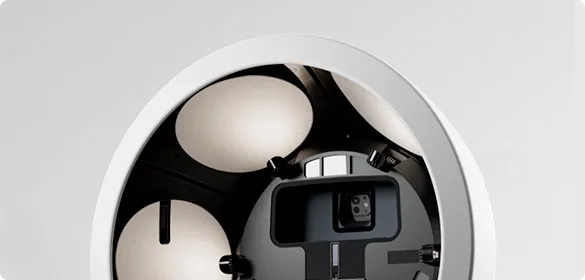
Observ 520x — Flagship Clinical Diagnostic Engine
Engineered for medical dermatologists, cosmetic surgeons, and elite aesthetic clinics. Features 10+ distinct illumination modes, 5 automated positioning angles, and comprehensive sub-surface mapping. Unrivaled optical fidelity for complex treatment validation.

Observ 320 — Essential Diagnostic Hardware
Designed for fast-paced professional beauty salons, aesthetic practices, and skincare specialists. Provides essential multispectral analysis in a compact, highly intuitive footprint. Delivers fast consultation speed without sacrificing image clarity.
3.1 Clinical Ergonomics & Expansion Hardware
Diagnostic accuracy depends heavily on patient positioning stability and physical workflow versatility. Sylton offers dedicated modular accessories designed to integrate into high-volume clinical operational environments:
- Mobile Stand: Ergonomically optimized, smooth-gliding motorized base that allows seamless repositioning of the diagnostic hardware between consultation suites. Ensures smooth height adjustment and minimal footprint. (Learn more)
- Hands, Neck & Décolleté Extension Kit: Expands diagnostic imaging beyond facial skin. Enables precise multispectral mapping of sun-exposed chest areas, neck bands, and dorsal hand aging, unlocking lucrative body rejuvenation package conversions. (Learn more)
- Sylton Connect Software Engine: The digital backbone linking Observ diagnostic hardware to iPad interfaces and cloud networks. Offers standardized positioning ghosting, client consultation reports, direct side-by-side comparison tools, and encrypted database management. (Learn more)
Ready to evaluate diagnostic hardware specs for your facility?
Contact Us4. B2B Procurement Technical Specifications & Comparison Matrix
To assist procurement managers, clinic owners, and medical directors in making informed capital equipment investment decisions, the following matrix compares the core diagnostic parameters of Sylton Observ hardware platforms against conventional market alternatives.
| Diagnostic Parameter | Observ 520x Flagship | Observ 320 Essential | Legacy / Generic Skin Scanners |
|---|---|---|---|
| Primary Target Sector | Cosmetic Dermatology & Medical Aesthetics | Medspas & Professional Beauty Salons | Basic Retail Skincare Counters |
| Illumination Modalities | 10+ Specialized Multispectral Modes | Core Multispectral Array | 1–2 Basic White/UV Light Modes |
| Polarization Technology | Dual Cross & Parallel Polarizers | Precision Cross Polarization | Unpolarized or Single Polarizer |
| Subsurface Depth Isolation | Full Basal Membrane & Dermal Vascularity | Epidermal Melanin & Surface Texture | Superficial Epidermal Only |
| Facial Positioning Alignment | 5 Automated Guided Angles (0°, 45°, 90°) | Standardized Ergonomic Chinrest | Manual Uncalibrated Handheld Capture |
| Software Integration | Sylton Connect Cloud + iPad Dynamic Sync | Sylton Connect App Integration | Standalone USB / Proprietary PC Only |
| Ambient Light Suppression | 100% Enclosed Optical Canopy Domain | High-Density Shielding Light Canopy | Vulnerable to Room Lighting Fluctuations |
| Longitudinal Comparison Accuracy | Perfect Pixel Ghosting & Alignment | High Alignment Repeatability | Low / Inconsistent Angle Differences |
5. Future B2B Procurement Trends in Skin Diagnostic Hardware (2026–2030)
As artificial intelligence, cloud computing, and advanced optical sensors evolve, global purchasing directors must future-proof their capital investments. Procurement strategies for skin consultation diagnostic hardware are undergoing several major technological transformations:
5.1 Generative AI & Quantitative Biomarker Scoring
Future hardware architectures will not merely display high-resolution imagery; they will feed standardized, noise-free multispectral raw data into validated AI diagnostic engines. These algorithms provide instant, peer-reviewed quantitative severity scores for melasma, erythema, elasticity degradation, and pore volume. Hardware that lacks precise spectral calibration will produce distorted inputs, rendering AI diagnostic models unreliable.
5.2 Interoperability with Electronic Health Records (EHR) & PMS
Siloed diagnostic devices are rapidly becoming obsolete. B2B buyers now mandate native API integration and cloud synchronization (such as Sylton Connect) between skin diagnostic hardware and practice management software (PMS). Seamless data transfer streamlines clinical workflow, reduces consultation room turnover time by 20%, and ensures compliance with global healthcare privacy regulations (HIPAA, GDPR).
5.3 Body-Centric & Multi-Zone Diagnostic Expansion
The aesthetic market is expanding rapidly beyond facial treatments. High-margin procedure growth is concentrated in neck tightness, décolleté sun damage repair, and hand rejuvenation. Procurement teams are prioritizing modular diagnostic hardware that supports interchangeable extension modules (such as the Sylton Hands, Neck & Décolleté Kit), maximizing equipment ROI across multi-specialty treatment rooms.
5.4 Zero-Calibration LED Light Matrix Standardization
Legacy diagnostic hardware relied on fluorescent tubes or bulbs that degraded over time, requiring constant recalibration and introducing color shifts in longitudinal patient imagery. Modern procurement standards dictate solid-state, zero-degradation LED arrays engineered to maintain exact nanometer wavelength output over hundreds of thousands of capture cycles.
6. Key Technology Development Trends in Facial Diagnostic Hardware
The rapid convergence of photonics, sensor engineering, and software user experience is driving significant innovations in facial consultation hardware:
- Automated Angular Tracking: Eliminating operator bias through automated chinrest positioning and optical ghosting overlays ensures that follow-up images perfectly match baseline angle, focal distance, and exposure settings down to the pixel level.
- Dynamic Spectral Filtering: Narrow-band LED illumination selectively excites endogenous tissue fluorophores without generating excessive thermal load or patient light discomfort, allowing rapid 10-mode spectral acquisition in under 15 seconds.
- Ergonomic Open-Face Hardware Design: Modern systems favor non-claustrophobic, open-geometry optical hood architectures that put patients at ease while maintaining complete isolation from room ambient light interference.
7. Frequently Asked Questions: B2B Diagnostic Hardware Procurement
Below are authoritative answers to key questions frequently asked by global equipment purchasers, clinic directors, and medical equipment distributors:
Q1: How does skin consultation diagnostic hardware directly increase clinic revenue and treatment conversion?
Answer: Diagnostic hardware converts abstract clinical advice into visual evidence. When patients observe hidden basal melanin, deep vascular inflammation, or porphyrin congestion in high-definition multispectral imagery, their perception of treatment urgency changes dramatically. Clinics using Observ hardware report an immediate 25% to 35% increase in high-ticket package sales (such as laser resurfacing, microneedling, and chemical peels) and an average 40% rise in homecare product sales attachment during the initial consultation.
Q2: What is the optical difference between cross-polarized and parallel-polarized hardware modes?
Answer: Parallel-polarized lighting reflects directly off the stratum corneum, highlighting surface micro-relief, fine wrinkles, pore structure, and texture roughness. Cross-polarized lighting uses perpendicular polarizing filters to eliminate surface specular glare, allowing light to penetrate into the upper dermis. This exposes deeper structural features such as sub-surface hyperpigmentation, dermal melasma, rosacea, and vascular spider veins invisible under standard light.
Q3: What is the typical return on investment (ROI) payback period for an Observ diagnostic system?
Answer: Due to accelerated treatment conversions and premium consultation fee justification, most medical aesthetic practices recover their full capital investment in an Observ 520x or Observ 320 system within 60 to 90 days of daily clinical operation.
Q4: Why is ambient light canopy enclosure necessary for standardized skin imaging?
Answer: Room lighting fluctuates continually due to sunlight shift, bulb age, and overhead fixture positions. Without a dedicated optical canopy enclosure, longitudinal before-and-after photographs suffer from mismatched exposure, white balance shifts, and shadow changes. Standardized optical enclosures eliminate external variables, ensuring that changes shown between initial baseline and 6-month post-treatment images reflect true biological skin improvement.
Q5: Can Sylton diagnostic hardware be easily moved between multiple consultation suites?
Answer: Yes. When paired with the custom Sylton Mobile Stand, the hardware moves smoothly across clinic treatment rooms. The stand features silent medical-grade casters, integrated height locking mechanisms, and secure cable management, offering total operational flexibility for multi-provider clinics.
Q6: What maintenance and calibration procedures are required for Observ diagnostic hardware?
Answer: Sylton Observ systems are engineered with solid-state LED illumination arrays and precision optical lenses that require zero manual recalibration or lamp replacements. Maintenance is limited to routine exterior sanitization using medical-grade disinfectant wipes between patient visits.
8. Corporate DNA & Global Leadership: Why Leading Clinics Choose Sylton
Selecting skin consultation diagnostic hardware is not merely a equipment purchase; it is a long-term strategic partnership. Sylton (by Innofaith) brings decades of European optical engineering expertise, medical hardware innovation, and clinical validation to the global aesthetic sector.
8.1 Dutch Optical Precision & Engineering Pedigree
Designed and crafted in the Netherlands, Sylton diagnostic hardware adheres to the highest European manufacturing and optical standards. Every lens assembly, polarizing element, and LED housing undergoes rigorous quality testing to ensure absolute optical clarity, thermal stability, and long-term durability in high-volume clinical settings.
8.2 Peer-Reviewed Publications & Scientific Validation
Sylton's commitment to E-E-A-T (Experience, Expertise, Authoritativeness, and Trustworthiness) is demonstrated by widespread adoption in clinical trials, university dermatological studies, and peer-reviewed scientific publications. Leading dermatologists rely on Observ multispectral data to validate treatment efficacy in published clinical research globally.
8.3 Worldwide Distribution & Comprehensive Support Network
With an established presence across more than 60 countries, Sylton supports clinic partners through a global distributor network. From initial practitioner training and workflow setup to rapid technical service and software updates, Sylton ensures your diagnostic investment delivers seamless practice growth for years to come.
Transform Your Clinic Consultations with Sylton Diagnostic Hardware
Schedule a personalized virtual demonstration or connect with your regional distribution expert to discover how Observ 520x and Observ 320 can elevate your practice ROI, clinical documentation, and patient satisfaction.