1. Executive Overview & Semantic Intent: Why Non-Facial Diagnostics are Redefining Aesthetic Procurement
In modern aesthetic medicine and cosmetic dermatology, patient evaluation has rapidly expanded beyond the facial canvas. While facial skin care has historically driven consultation hardware demand, global procurement data and search intent patterns reveal a sharp surge in inquiries for a dedicated hands neck and decollete skin analyzer. Global buyers—ranging from multi-location aesthetic chains to medical equipment distributors—are actively seeking diagnostic hardware that standardizes non-facial skin evaluation.
The anatomical characteristics of the hands, neck, and décolleté present unique diagnostic challenges. These anatomical regions feature significantly thinner dermal layers, reduced sebaceous gland density, and perpetual exposure to solar radiation and environmental oxidative stress. Consequently, sub-surface vascular structures, latent dyschromia, actinic elastosis, and structural collagen degradation manifest differently than on facial tissue. Standard visual inspections or repurposed facial scanners frequently fail to capture these subtle epidermal and dermal variations due to improper illumination geometry and fixed ergonomics.
Integrating a specialized hands neck and decollete skin analyzer into clinical practice fills a crucial diagnostic void. By deploying patented multispectral optical modalities—including cross-polarized light, parallel-polarized light, and standardized UV fluorescence—practitioners can reveal invisible micro-damage, objectively quantify treatment progression, and convert patient consultations into high-value treatment plans. For global equipment buyers, acquiring multi-zone optical diagnostics represents high Information Gain and a distinct commercial advantage in competitive aesthetic markets.
2. B2B Product Recommendations: Technical Specs & System Modularity
When selecting professional skin diagnostic hardware, modularity, optics performance, and clinical repeatability are the paramount procurement criteria. Sylton’s suite of imaging systems delivers unmatched multispectral analysis tailored for comprehensive facial and non-facial evaluations.

Observ 520x: Flagship Multispectral Diagnostic System
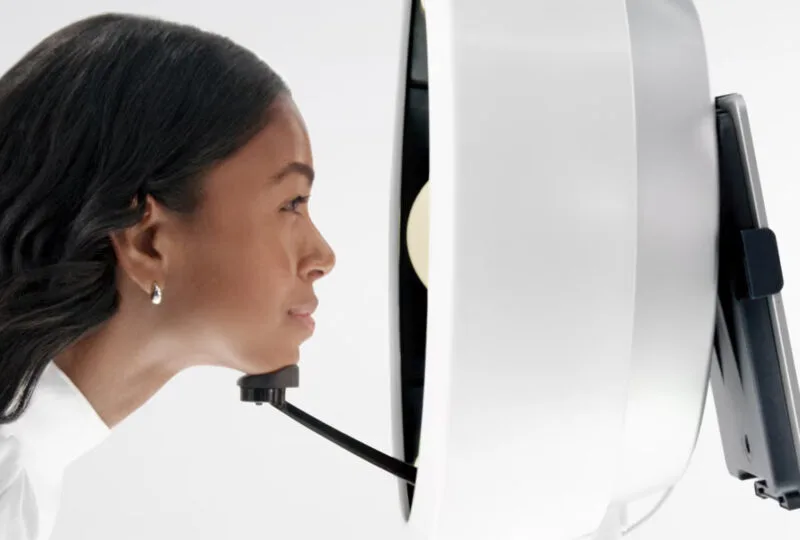
The gold standard in clinical imaging. Featuring 10 multi-spectral illumination modes, the Observ 520x allows medical practitioners to analyze sub-surface skin health at various tissue depths. When paired with our specialized positioning attachments, it acts as an advanced hands neck and decollete skin analyzer, diagnosing hyperpigmentation, micro-vascularity, and dermal elasticity loss with clinical accuracy.
- 10 Automated illumination modes (UV, Cross-Polarized, Parallel, Daylight)
- Positioning optics engineered for non-planar body surfaces
- High-resolution comparative reporting via Sylton Connect

Observ 320: Essential Skin Analysis System
Engineered for high-volume aesthetic clinics, medical spas, and beauty specialists. The Observ 320 offers 5 core diagnostic light modes in a compact, ergonomic frame. It provides an efficient diagnostic pathway for assessing surface texture, pore structure, and early-stage pigmentation across neck and décolleté zones, driving instant treatment acceptance.
- 5 Essential diagnostic spectral modes
- Rapid 15-second multi-mode automated capture sequence
- Seamless integration with mobile clinical stands

Hands, Neck & Décolleté Extension System
Our dedicated hardware extension kit transforms standard skin imaging units into full-body diagnostic hubs. Featuring ergonomic positioning armatures, specialized chin/chest rests, and calibrated target lighting, this accessory ensures perfect focal alignment for dorsal hand capture and anterior neck/chest mapping without patient strain.
- Standardized focal distance for non-facial anatomy
- Adjustable articulation for seated or reclining patients
- Eliminates ambient glare on curved body contours
3. Future B2B Procurement Trends in Non-Facial Aesthetic Diagnostics
Global procurement metrics indicate a paradigm shift in how medical aesthetic centers invest in capital equipment. Buyers are moving away from single-purpose facial diagnostic devices toward versatile, multi-zone diagnostic platforms. Below are the key procurement trends dominating global markets:
- Expanded Treatment Protocol Pairing: Clinics are heavily investing in combination therapies, pairing fractional lasers, RF microneedling, biostimulating fillers (e.g., calcium hydroxylapatite, PLLA), and IPL specifically for neck tightening and hand rejuvenation. A dedicated hands neck and decollete skin analyzer is essential for baseline optical recording and proving treatment efficacy.
- Demand for Standardized Photographic Repeatability: In legal, clinical, and commercial environments, inconsistent lighting or positioning renders before-and-after photographs useless. Procurement teams now prioritize diagnostic hardware with artificial intelligence position-matching algorithms and fixed spectral parameters that guarantee 100% optical consistency across multi-month treatment cycles.
- Integration of Cloud Telemetry & Multi-Clinic Management: Centralized healthcare networks require software compatibility (such as Sylton Connect) that allows skin diagnostic data collected across multiple branch clinics to be analyzed, archived, and reviewed remotely by medical directors.
- Zero-Consumable ROI Acceleration: Unlike diagnostic tools requiring single-use cartridges or chemical reagents, optical multispectral analyzers represent a one-time capital investment with zero per-patient consumable costs, yielding exceptionally rapid return on investment (ROI).
4. Technological & Development Trends: The Evolution of Non-Facial Diagnostics
The technological evolution of skin analysis hardware is driven by innovations in photonics, optical filtering, and artificial intelligence algorithm development. The latest advancements in hands neck and decollete skin analyzer technology focus on overcoming the physical and optical limitations of non-facial skin photography.
1. Dynamic Multi-Spectral Optical Layering
Standard light photography only captures surface dyschromia. Modern diagnostic analyzers utilize narrow-band LED arrays spanning specific nanometer wavelengths. By switching between cross-polarization (which cancels surface reflections to isolate dermal vascular networks) and parallel polarization (which highlights epidermal texture, fine lines, and creping), practitioners obtain a complete 3D assessment of cervical and décolleté skin structure.
2. Ergonomic Articulation & Contour Adaptability
Facial scanners rely on rigid chin cup positioning. However, capturing the dorsal aspect of the hands or the wide expanse of the upper chest requires articulated optical assemblies. Future-proof analyzers feature height-adjustable, tiltable optical heads paired with mobile stand bases, permitting seamless anatomical alignment without forcing the patient into uncomfortable postures.
3. AI-Driven Biomarker Quantification
Advanced image processing software automatically calculates severity scores for erythema, poikiloderma of Civatte, sun damage (lentigines), and dermal elasticity loss. These objective metrics remove subjective clinician bias, providing patients with undeniable evidence of sub-dermal damage and post-treatment improvement.
5. Enterprise Advantages & E-E-A-T Validation: Why Leading Practices Trust Sylton
Founded on Dutch engineering principles and deep dermatological research, Sylton (by Innofaith) has established itself as an authoritative global leader in professional skin diagnostics. Our hardware and software platforms embody the highest standards of Expertise, Authoritativeness, and Trustworthiness (E-E-A-T):
Clinical Validation & Peer-Reviewed Research: Sylton’s Observ technology is backed by numerous clinical studies and peer-reviewed dermatological publications. Leading aesthetic physicians worldwide rely on Observ imaging data to document clinical trials, validate treatment safety, and demonstrate efficacy for advanced energy-based device therapies.
Global Footprint & Dealer Support in 60+ Countries: We understand that B2B buyers require reliable after-sales infrastructure. Sylton supports a robust global network of certified distributors, providing localized staff training, technical service, software updates, and rapid warranty replacement to minimize clinic downtime.
Regulatory Compliance & Data Security: All Sylton devices conform to stringent international quality standards (CE, ISO, RoHS compliance). Furthermore, Sylton Connect software is architected with advanced encryption protocols, ensuring full compliance with HIPAA and GDPR patient data privacy standards.
Trusted by over 10,000 cosmetic dermatologists and aesthetic clinics globally for clinical-grade precision diagnostics.
6. Global B2B Buyer FAQ: Key Questions Answered for Procurement & Medical Directors
To assist procurement managers, medical directors, and global distributors in making informed purchasing decisions, we have compiled comprehensive answers to the most frequently asked technical and commercial queries regarding hands neck and decollete skin analyzers.
Q1: Why can’t standard facial skin analyzers accurately evaluate the hands, neck, and décolleté?
Standard facial skin analyzers are structurally engineered for rigid facial chin/forehead placement and calibrated for facial distance and lighting angles. The neck, chest, and hands possess different anatomical curvatures, varying skin thickness, and distinct light-scattering properties. Attempting to scan non-facial regions in facial-only devices results in severe shadows, focal blur, patient discomfort, and inconsistent image data. A dedicated hands, neck, and décolleté skin analyzer or extended diagnostic module provides optimized focal optics, customized illumination geometry, and ergonomic positioning for non-facial anatomical zones.
Q2: What specific optical light spectrums are required for detecting non-facial sun damage and vascular issues?
Comprehensive evaluation of the neck and décolleté requires at least four essential light spectrums: 1) Cross-Polarized Light to eliminate specular surface reflection and visualize sub-dermal vascular networks, red spots, and telangiectasia; 2) Parallel-Polarized Light to enhance surface micro-relief, fine wrinkles, and skin texture creping; 3) Standardized UV / Fluorescence Light to reveal latent epidermal melanin, sun spots, and actinic damage hidden beneath the surface; and 4) True Daylight Simulation to document baseline aesthetics under standardized color temperature (5500K).
Q3: What is the average Return on Investment (ROI) timeline for an aesthetic clinic purchasing this diagnostic hardware?
Based on operational data from over 10,000 practice installations, clinics utilizing Sylton skin analyzers report an immediate 25% to 40% increase in treatment plan conversion rates. By visually demonstrating hidden sub-surface damage during consultations, patients understand the medical necessity of multi-session laser, IPL, or injectable treatments for their neck and hands. Most practices achieve full capital equipment ROI within 60 to 90 days through increased package sales and enhanced patient retention.
Q4: How does the hardware maintain standardized lighting and distance across irregular body contours?
Sylton's specialized extension accessories utilize fixed-distance positioning mounts paired with anti-glare polarizers and light-baffling hoods. This optical design isolates ambient room lighting and maintains identical focal geometry regardless of patient neck tilt or hand placement, guaranteeing that images captured months apart are 100% optically identical for accurate clinical comparison.
Q5: Is the software compatible with existing practice management and EMR systems?
Yes. Sylton Connect software allows seamless export of standardized image files (PNG, JPG, PDF consultation reports) and provides cloud database integration. Practitioners can review patient diagnostic files on iPads, desktop computers, or client-facing consultation displays across clinic network locations.
Q6: What maintenance, calibration, or operational consumables are required?
Sylton skin analyzers are solid-state optical systems utilizing long-life, energy-efficient LED light sources rated for over 50,000 operational hours. The device requires zero per-test consumables, zero liquid reagents, and minimal maintenance beyond routine cleaning of optical glass windows with non-abrasive microfiber cloths.
Q7: What international safety certifications and quality standards do Sylton devices meet?
Sylton diagnostic hardware is manufactured in compliance with strict European medical device quality management systems (ISO 13485 / ISO 9001 standards), holds CE marking, RoHS electrical safety certification, and uses eye-safe LED light sources tested in accordance with photobiological safety standards (IEC 62471).
Q8: How can global distributors or multi-site clinic chains request product catalogs and wholesale quotation pricing?
Distributors, hospital purchasing agents, and medical clinic directors can request our full product catalog, technical specification sheets, and bulk procurement pricing directly by clicking the Get Catalog request button below to initiate direct communication with our global sales team.
Elevate Your Clinical Diagnostic Capabilities Today
Discover how Sylton’s multispectral hands, neck and décolleté skin analyzer solutions can transform your consultation workflow, build unshakeable patient trust, and accelerate clinic revenue.