Featured Commercial Skin Diagnostic Scanners
Direct-from-factory diagnostic hardware engineered for cosmetic dermatology clinics, medspas, and aesthetic OEMs.
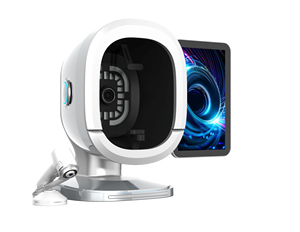
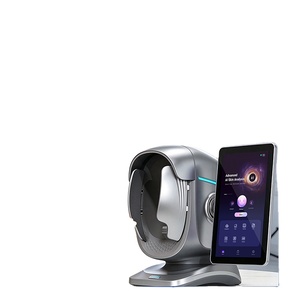
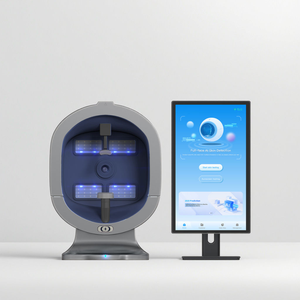

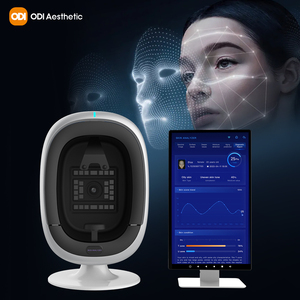
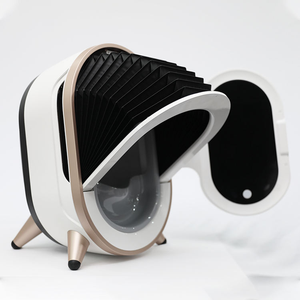
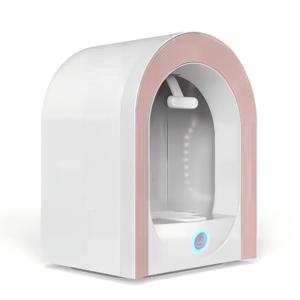
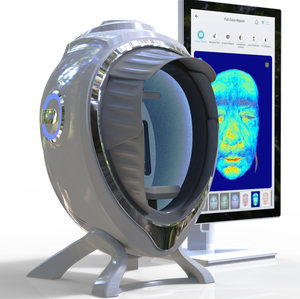
Executive Technical Overview: The Evolution of Full-Face Skin Diagnostic Scanners
In modern cosmetic dermatology, aesthetic medicine, and high-end beauty care, visual evidence drives patient conversion, treatment validation, and longitudinal care efficacy. The rapid technological shift from basic daylight photography to multispectral deep-learning 3D facial imaging systems has established full-face skin diagnostic scanners as non-negotiable core assets for medical clinics and aesthetic chains globally.
China's manufacturing ecosystem for optoelectronic medical and cosmetic equipment has undergone a profound transformation over the past decade. By pairing advanced optical sensor assembly lines with home-grown artificial intelligence (AI) diagnostic algorithms, leading Chinese OEMs and factories now deliver medical-grade skin analyzers that match or surpass European and North American benchmarks at significantly optimized capital expenditures (CapEx).
When evaluating a full-face skin diagnostic scanner factory in China, international buyers—ranging from medical device distributors to aesthetic clinic chains—must analyze both hardware optical physics and software algorithmic integrity. This whitepaper establishes the benchmark criteria for technical selection, procurement trends, quality assurance standards, and factory evaluation.
Core Technological Architecture: Multispectral Illumination & AI Algorithms
A professional full-face diagnostic scanner relies on the interaction between calibrated light spectrums and physiological skin structures. Sub-surface skin anomalies—such as latent UV pigmentation, deep dermal melasma, porphyrin concentrations from Propionibacterium acnes, micro-vascular telangiectasia, and structural collagen degradation—are entirely invisible under standard RGB daylight illuminating conditions.
Multispectral Light Engine
Top-tier Chinese factories incorporate up to 10 distinct optical modes: RGB Standard Daylight, Parallel Polarized Light, Cross-Polarized Light (eliminating surface specular reflection to visualize underlying erythema and dermal pigment), UV Light (365nm fluorescence for porphyrin and sebum detection), Wood's Light (405nm), and RB Red/Brown Light channels for deep dermal vasculature assessment.
3D Surface Topology Reconstruction
Using structured line-pattern illumination and dual high-resolution CMOS optical sensors (ranging from 24MP up to 36MP), advanced systems render a photorealistic 3D mesh of the patient's face. This allows practitioners to measure wrinkle depth, pore volume, fine lines, and tissue elasticity variations in absolute millimeter measurements rather than subjective visual estimates.
Deep Learning AI Diagnostics
Trained on over 30 million validated dermatological skin image datasets, state-of-the-art diagnostic neural networks segment skin conditions into quantified severity scores. The algorithm automatically categorizes skin age, epidermal pigmentation index, dermal melanin depth, moisture content, micro-vascular inflammation, and pore blockage severity.
Engineering Comparison Matrix: Entry-Level vs. Professional Clinical Diagnostic Scanners
To aid B2B buyers in selecting the appropriate machinery for their target market segment, the table below highlights key engineering distinctions across diagnostic hardware levels.
| Feature Parameter | Commercial Salon Grade | Clinical Aesthetic Grade | Flagship 3D AI Medical System |
|---|---|---|---|
| Optical Sensor Resolution | 12 Megapixels – 16 Megapixels | 24 Megapixels HD CMOS | 36 Megapixels Ultra-HD Dual Sensor |
| Illumination Spectrums | 3 – 5 Light Modes (RGB, UV, PL) | 8 Spectrum Modes | 10+ Multispectral Spectrum Engine |
| Diagnostic Accuracy | 85% Surface Mapping | 94.5% Sub-surface Accuracy | 99.4% Multi-layer Clinical Precision |
| 3D Reconstruction | Simulated 2.5D Overlay | Standard 3D Mesh Topology | True High-Density 3D Mesh Engine |
| Software Architecture | Local Tablet/Stand-alone App | Desktop Client + Cloud Sync | Enterprise Cloud SaaS + API / SDK Access |
| Regulatory Standards | CE, RoHS | CE Medical, ISO13485 | CE, ISO13485, FDA Cleared Options |
2025–2030 Global Procurement Trends for Skin Diagnostic Equipment
The international purchasing landscape for diagnostic skin equipment is experiencing several strategic shifts driven by clinical workflows, SaaS digital transformation, and competitive salon branding:
- Demand for SDK and API Software White-Labeling: Large cosmetic manufacturers, skincare brands, and medical franchise groups no longer want generic off-the-shelf apps. Procurement teams actively seek Chinese OEM partners willing to expose API endpoints or provide software development kits (SDKs). This allows seamless integration of diagnostic output data into proprietary CRM and patient management ecosystems.
- Shift Toward Non-Invasive Longitudinal Patient Tracking: Clinics require reproducible image alignment. Advanced factories now implement chin-rest sensors, auto-focus motor arrays, and standardized lighting hoods that guarantee identical distance, ambient light suppression, and positioning for true before-and-after treatment comparison.
- Modularity & Extension Accessories: Equipment that can expand beyond facial scanning to accommodate hands, neck, and décolleté areas is gaining rapid market share. Accessories such as ergonomic mobile stands, integrated high-definition touchscreen monitors, and quick-tilt housings are key purchasing drivers.
- Cloud-Based AI Model Updates: Procurement contracts increasingly demand over-the-air (OTA) software updates. Rather than relying on static localized diagnostic software, modern Chinese suppliers deploy secure cloud servers that continuously update AI diagnostic parameters as clinical datasets grow.
Evaluating Chinese Suppliers: Manufacturing Excellence & Technical Verification
Partnering with a reliable factory in China requires rigorous evaluation beyond promotional specifications. As an industry leader in optoelectronic diagnostic hardware, our manufacturing infrastructure is built upon core principles of medical-grade quality control, research-backed spectral engineering, and robust global supplier support.
1. Optical Calibration Rigor
Every diagnostic scanner undergoes spectral bandwidth verification using precision spectrophotometers. LED arrays must adhere to exact nanometer tolerances (e.g., UV 365nm ± 2nm) to prevent false porphyrin or pigmentation readings during patient diagnostic scans.
2. Cleanroom Assembly & Dust Protection
Camera modules and optical lens assemblies are fitted within ISO Class 7 cleanroom environments. Eliminating micro-dust contamination inside the optical chamber ensures crystal-clear sub-surface imaging without sensor artifacts.
3. Comprehensive Compliance & Safety
Our factories operate under ISO13485 Quality Management Systems. Products carry international safety compliance certificates including CE Medical, IEC/EN 60601-1 electrical safety, and RoHS environmental standards.
Frequently Asked Questions (FAQ) for B2B Procurement
Essential answers for medical equipment importers, skincare distributors, and aesthetic clinic buyers.
Ready to Partner with China's Premier Skin Diagnostic Manufacturers?
Connect directly with our engineering and procurement team for direct factory quotations, OEM white-label requests, or SDK integration consulting.
Inquire Now