Featured Medical-Grade Facial Scanners & Diagnostic Devices
Explore our flagship 3D multispectral facial diagnostic systems, designed for cosmetic dermatology clinics, plastic surgery centers, and premium aesthetic practices worldwide.
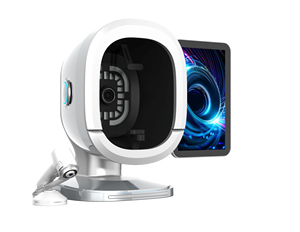
Portable 2025 Smart 3D Skin Analyzer Machine AI Face Skin Diagnostics Analyzer Facial Scanner Device
Send an Inquiry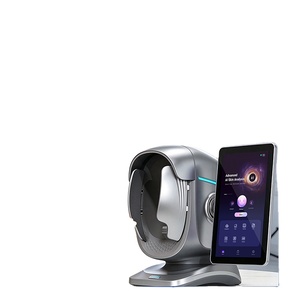
AI Skin Analyzer 7-Inch Touchscreen Facial Scanner 36MP Camera Multi-Language Support
Send an Inquiry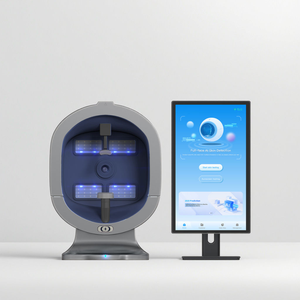
X5 Pro Skin Analyzer Moisture Wrinkles Acne Detector 8 Spectrum Pigmentation Diagnostic Device
Send an Inquiry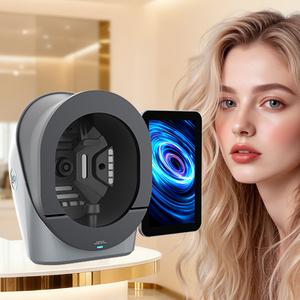
2025 Clinical Facial Scanning & Deep Pigmentation Acne Skin Analysis Beauty Device
Send an Inquiry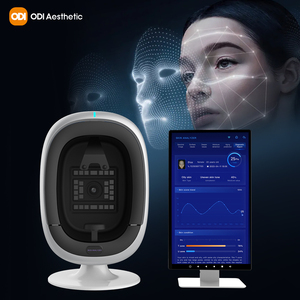
2025 Digital Skin Analysis 3D Face Sub-Surface Pigmentation Diagnostic Tester Machine
Send an Inquiry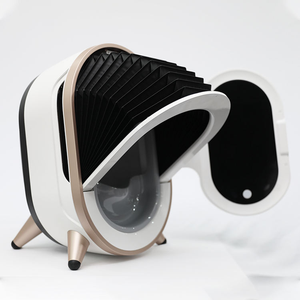
Beauty Salon Equipment Acne Pigmentation Moisture Test Facial Scanner 3D Magic Mirror System
Send an Inquiry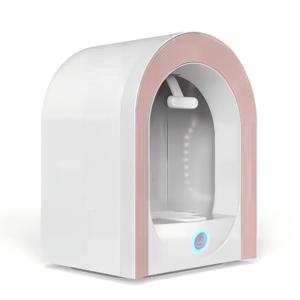
Professional AI Facial Skin Analyzer 3D Digital Detector Machine Pigmentation Melasma Analyzer
Send an Inquiry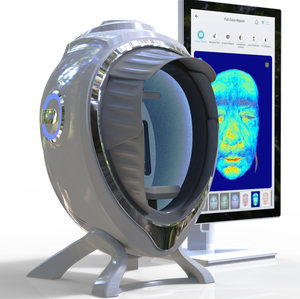
Wholesale Full Face Skin Analyzer Machine Professional Detector for Freckles & Deep Pigmentation
Send an InquiryExecutive Whitepaper: Sourcing Medical-Grade Facial Scanners from China
A comprehensive analysis of biophotonic sensor technology, multispectral light modal algorithms, and OEM manufacturing standards in clinical aesthetic diagnostics.
In the rapidly evolving landscape of aesthetic medicine, cosmetic dermatology, and non-invasive surgical consultations, quantitative clinical analysis has replaced subjective visual evaluation. Medical-grade facial scanners are no longer auxiliary marketing gadgets; they serve as indispensable diagnostic instruments that bridge the critical gap between patient expectation and objective treatment outcomes.
China has emerged as the global epicenter for advanced biophotonic imaging hardware and deep-learning diagnostic software manufacturing. By combining ultra-high precision optical assembly with proprietary AI facial mesh recognition, premier Chinese manufacturers deliver medical diagnostic instruments that meet rigorous global standards (ISO 13485, CE Medical, IEC 60601-1) at unmatched economies of scale.
Multispectral Illumination
Utilizing RGB daylight, cross-polarized, parallel-polarized, UV 365nm, and Wood’s light modes to isolate epidermal and dermal anomalies with clinical accuracy.
Sub-Surface Pigment Separation
Advanced spectral algorithms separate melanin, hemoglobin, and porphyrin distribution, mapping deep melasma, vascular rosacea, and invisible solar damage.
AI Quantitative Scoring
Deep learning neural networks compare patient skin metrics against demographic databases, generating normalized severity scores for pores, wrinkles, and texture.
Why Clinical Evidence Beats Visual Consultation
Sub-surface physiological markers—such as basal layer hyperpigmentation, dermal vascular ectasia, and propionibacterium acnes porphyrin fluorescence—remain completely invisible under white ambient light. By deploying multi-angle polarized lighting and narrowband UV excitation, Chinese OEM medical skin analyzers reveal latent cutaneous pathologies before they surface. This objective evidence increases patient treatment compliance by up to 68% and accelerates consultation conversion rates for aesthetic medical clinics.
Optical Light Spectrum & Clinical Diagnostic Matrix
Understanding how specific light wavelengths reveal different layers of human skin tissue structures.
| Light Spectrum Wavelength | Optical Mode | Target Cutaneous Layer | Clinical Diagnostic Purpose |
|---|---|---|---|
| Standard RGB White (400–700 nm) | Natural Surface Daylight | Stratum Corneum | Surface texture, fine lines, visible acne lesions, pore diameter. |
| Cross-Polarized Light (C-PL) | Specular Reflection Suppressed | Dermis-Epidermis Junction | Dermal pigmentation, erythema, capillary telangiectasia, deep melasma. |
| Parallel-Polarized Light (P-PL) | Specular Reflection Enhanced | Epidermal Micro-relief | Skin smoothness, pore depth elevation, keratinization, fine wrinkle mapping. |
| Narrowband UV (365 nm) | Fluorescence Excitation | Pilosebaceous Units & Basal Layer | Porphyrin detection (acne bacteria), subsurface sebum buildup, sun spots. |
| Wood’s Light Mode | Filtered UV Diagnostic | Epidermal Layer | Hypopigmentation, vitiligo, tinea versicolor, stratum corneum hydration levels. |
| Red/Brown Spectral Separation | Algorithm-Assisted Spectral Shift | Sub-dermal Vascular Grid | Hemoglobin distribution vs. Melanin concentration breakdown. |
Future Procurement Trends in Facial Scanning Technology (2025–2030)
Strategic insights for medical aesthetic equipment distributors, clinic chain buyers, and B2B procurement officers.
As global demand for non-invasive aesthetic treatments surges, procurement officers must look beyond basic imaging hardware. The next five years will redefine facial scanner architecture across four key technological pillars:
1. Dynamic 3D Volumetric Mesh Simulation
Future medical scanners combine optical multispectral analysis with structural 3D facial photogrammetry. Clinics can project volumetric changes from dermal fillers, botulinum toxin, and thread lifts with sub-millimeter precision.
2. Edge-AI & Cloud SDK Integration
Leading Chinese manufacturers are providing open APIs and RESTful SDKs. Practice management software can automatically sync diagnostic images, historical skin age scoring, and recommended treatment protocols to patient EMR files.
3. Non-Invasive Biological Safety Standards
Eye safety standards (IEC 62471 photobiological certification) are now non-negotiable. Top Chinese factories utilize pulsed zero-UV impact flash tubes, ensuring zero risk of ocular distress during full-face scanning sessions.
Why Partner with Leading Chinese Optical Manufacturers?
Backed by over two decades of precision optical manufacturing, our factory ecosystem provides end-to-end OEM and ODM manufacturing services for international brands, hospital networks, and beauty equipment distributors.
- ISO 13485 & CE Medical Certified Facilities: Operating cleanroom optical assembly workshops with strict dust-free lens calibration.
- Complete Software UI Customization: Multi-language software support (English, Spanish, German, French, Arabic, Portuguese, Japanese) with custom logo branding.
- Proprietary Optical Hardware: Industrial 36MP HD CMOS sensors paired with anti-glare coated optical glass lenses for zero-distortion imaging.
- Rigorous Quality Testing: 72-hour continuous burn-in testing, light intensity decay calibration, and drop-test packaging compliance.
- Global Technical Support & Warranty: Dedicated technical response within 12 hours, spare parts dispatch, and remote diagnostic assistance.
Frequently Asked Questions (FAQ) for B2B Sourcing & Procurement
Everything global buyers need to know regarding optical specs, regulatory compliance, factory lead times, and OEM customization.
Q1: What makes a facial scanner "medical-grade" compared to commercial salon analyzers?
Q2: What are the standard lead times for bulk OEM orders from China manufacturers?
Q3: Can the AI skin diagnostic software be integrated into existing clinic systems?
Q4: How is light intensity and optical spectrum calibrated over long-term clinical usage?
Q5: What warranty and after-sales support guarantees are provided for international buyers?
Q6: Is the software licensed per user, or is there an annual subscription fee?
Request Factory Direct Pricing & OEM Catalog
Looking to source high-precision medical-grade facial scanners or start an OEM/ODM diagnostic product line? Connect directly with our engineering and B2B export team today.