Top-Rated Multi-Frequency Skin Analysis Systems
Engineered for medical dermatologists, aesthetic practitioners, and high-end beauty salons. Discover our OEM/ODM flagship diagnostic equipment built with multi-spectrum lighting and AI diagnostic software.
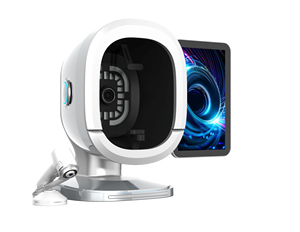
Portable 2025 Smart 3d Skin Analyzer Machine logo Ai Face Skin Diagnostics Analyzer Facial Scanner Skin Analyzer Device
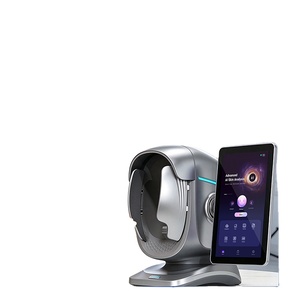
AI Skin Analyzer 7-Inch Touchscreen Facial Scanner 36MP Camera 5-Year Warranty Multi-Language Support for Skin Type Pigmentation
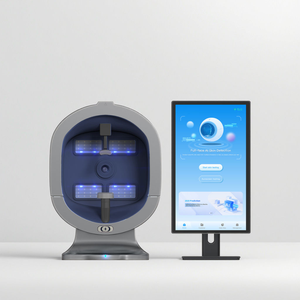
X5 Pro Skin Analyzer for Beauty Salon Moisture Wrinkles Acne Pores Detector 8 Spectrum Pigmentation Device Skin Analysis Machine
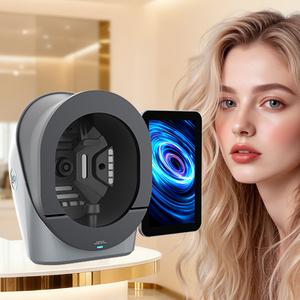
2025 New Arrivals Skin Analyzer Facial Scanning Skin Analysis Beauty Device for Pigmentation Acne Analysis
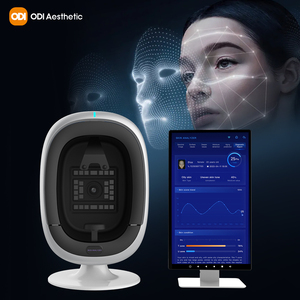
2025 New Digital Skin Analysis 3D Face Pigmentation Skin Tester Skin Analyzer Machine
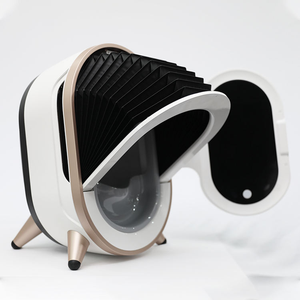
Beauty Salon Equipment Supplies Acne Pigmentation Mouisture test Facial Scanner Analysis 3d Smart Magic Mirror Skin Analyzer
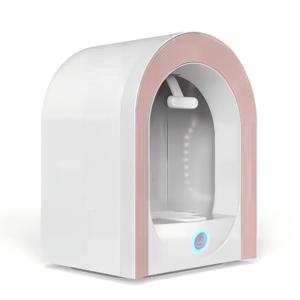
Professional AI Facial Skin Analyzer 3D Digital Skin Detector Machine Pigmentation Melasma Spectrum Analyzer for Salon
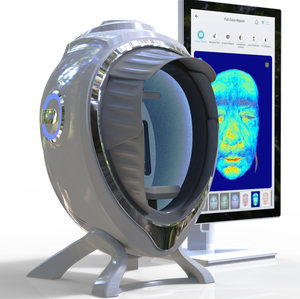
Wholesale Full Face Skin Analyzer Machine Professional Skin Deterctor for Freckles&Deep Pigmentation
Executive Report: The Paradigm Shift in Multi-Frequency Dermal Diagnostics
In contemporary cosmetic dermatology, non-invasive facial diagnostic technology has evolved from simple magnification tools into complex multispectral imaging systems. Modern aesthetic practices require objective, reproducible visual proof to diagnose sub-surface skin pathologies before they manifest on the stratum corneum. China has emerged as the global epicenter for precision optical manufacturing, producing high-performance, cost-effective skin diagnostic devices that rival traditional Western clinical systems.
A multi-frequency (multispectral) skin analyzer operates by emitting distinct narrow-band light wavelengths across the electromagnetic spectrum. By toggling between RGB daylight, cross-polarized light, parallel-polarized light, and 365nm UV fluorescence (Wood’s light), these devices capture optical signatures from different depths of the skin: from surface texture and pores down to the basal layer pigmentation and deep reticular vascularity.
Clinical Transparency
Multi-frequency imaging removes visual ambiguity by separating reflection glare from true pigment absorption, revealing early stage dyschromia, melasma, and porphyrin concentrations.
Consultation ROI
Practitioners using multispectral devices achieve up to a 40% increase in patient treatment conversion. Visual evidence empowers patients to commit to customized clinical skincare protocols.
Standardized Tracking
Integrated software platforms like Sylton Connect allow clinics to capture identical facial positioning across treatment intervals, guaranteeing scientific before-and-after validation.
Optical Spectrum Architecture & Diagnostic Depth Mapping
Understanding how specific narrow-band optical frequencies interact with skin tissue chromophores (melanin, hemoglobin, water, and porphyrins).
| Spectral Mode | Illumination Source | Target Chromophore / Structure | Clinical Diagnostic Utility |
|---|---|---|---|
| RGB Standard Daylight | White Broad-Spectrum LED (400-700nm) | Surface Stratum Corneum | Evaluates macroscopic pore distribution, fine surface wrinkles, uneven skin tone, and overt blemishes under standardized ambient light. |
| Cross-Polarized Light | Orthogonal Linear Polarizer Array | Sub-surface Dermis & Vasculature | Eliminates specular reflection glare. Exposes erythema, telangiectasia, rosacea, inflammatory acne lesions, and dermal vascular anomalies. |
| Parallel-Polarized Light | Co-aligned Polarizer Filter | Epidermal Surface Micro-relief | Enhances surface glare to highlight micro-lines, fine skin texture irregularities, desquamation, and dilated pore geometry. |
| UV Wood’s Light (365nm) | Narrow-Band Ultraviolet LED | Porphyrins & Melanin Absorption | Triggers fluorescence in C. acnes porphyrins (orange/red glow). Maps hidden hyperpigmentation, sun damage, and lipid distribution in pores. |
| True UV Spectrum | High-Intensity 365nm UV Flash | Basal Layer Pigment & Collagen | Calculates future UV spot emergence, deep-seated dermal melasma, and elastosis deterioration before visible epidermal manifestation. |
Future Procurement Trends in Professional Skin Diagnostics
As B2B buyers, clinic directors, and medical equipment distributors evaluate Chinese manufacturing partners, several macro trends define next-generation sourcing strategies.
1. Deep Integration of Generative AI & Predictive Modeling
Procurement choices are shifting from simple hardware-only optical cameras toward AI-driven diagnostic ecosystems. Modern multi-frequency skin analyzers leverage neural networks trained on millions of clinical skin images. Future-ready procurement requires software capable of predicting 3-to-5 year skin aging trajectories if left untreated, while demonstrating therapeutic progress following specific dermatological procedures (e.g., laser resurfacing, chemical peels, or microneedling).
2. Cross-Device Cloud Sync & Multi-Clinic Management
Enterprise aesthetic chains demand centralized cloud management. Leading Chinese manufacturers are embedding SaaS architectures (similar to Observ by Sylton Connect) that synchronize patient records across multiple clinic branches. Clinicians can perform initial scans on a portable device in Room A and review high-resolution 3D diagnostic maps on an iPad or desktop workstation in Consultation Room B instantaneously.
3. Modular Expansion Kits for Neck, Decollete & Hands
Facial analysis alone is no longer sufficient for comprehensive medical aesthetics. Market trends favor modular diagnostic hardware featuring extension kits, mobile motorized stands, and ergonomic body-positioning visors. Sourcing hardware that supports hands, neck, and décolleté examination allows clinics to upsell anti-aging body protocols, significantly elevating average clinic revenue per patient.
4. OEM/ODM Customization & White-Label Ecosystems
International skincare brands and medical device distributors increasingly seek Chinese manufacturers capable of full white-label customization. This includes custom hardware chassis colors, branded software interfaces, custom product-matching recommendation engines, and tailored SDK/API integrations into existing practice management software.
Why Partner with China's Premier Multi-Frequency Manufacturer?
As a global leader in optical skin analysis R&D, our manufacturing facility bridges advanced optoelectronic engineering with intuitive software design. Drawing inspiration from clinical benchmarks like Sylton Observ 520x and Observ 320, we offer global partners unmatched production capabilities:
Optical Precision
Equipped with high-grade industrial lenses and ultra-stable LED light sources that eliminate spectral drift, ensuring precise color temperature consistency (5500K True Daylight) scan after scan.
Rigorous Certification
Fully compliant with international medical and safety standards including CE, RoHS, ISO13485, and FDA registration guidelines for diagnostic cosmetic equipment.
End-to-End Supply Chain
From precision optical mold fabrication and SMT circuit assembly to custom software algorithm development and global white-glove logistics support.
Frequently Asked Questions for B2B Importers & Clinics
Everything you need to know about sourcing multi-frequency skin analyzers directly from China manufacturers.
Q1: What makes a multi-frequency skin analyzer superior to a standard RGB camera skin tester?
A standard RGB camera only captures surface epidermal reflections under ambient light. A multi-frequency skin analyzer uses controlled narrow-band optical filters—including cross-polarization and 365nm UV fluorescence—to penetrate reflection barriers and excite sub-surface dermal structures. This allows clinicians to detect sub-surface vascular inflammation, deep-layer melasma, clogged pores, and future pigment formation up to 5 years before it surfaces visually.
Q2: Can we customize the software interface and logo for our own skincare brand (OEM/ODM)?
Yes, absolutely. As a direct OEM/ODM manufacturer, we provide complete white-label software customization. You can customize the software UI logo, background color schemes, diagnostic report headers, and integrate your own proprietary cosmetic product line into the automated recommendation algorithm. Hardware chassis branding and custom packaging are also available for bulk orders.
Q3: How is light calibration handled to ensure consistent before-and-after photo accuracy?
Our skin analyzers feature automated internal light calibration algorithms and constant-current LED drive circuitry. Coupled with standardized facial positioning visors and fixed focal distance optics, ambient light variations are completely blocked out. This guarantees 100% reproducible illumination intensity and color rendering across weeks or months of patient progress tracking.
Q4: What is the typical Minimum Order Quantity (MOQ) and lead time for wholesale orders?
For standard factory-branded skin analyzers, our MOQ is 1 unit for evaluation. For OEM custom hardware branding or specialized software UI builds, the standard MOQ starts at 10 to 50 units. Lead times for standard units are typically 3 to 7 business days, while customized OEM/ODM production runs take approximately 15 to 25 business days.
Q5: What after-sales technical support and warranty policies do you offer international buyers?
All our professional skin diagnostic systems come with a comprehensive 2-to-5 year hardware warranty and lifetime software updates. We provide 24/7 technical support via video consultation, dedicated remote desktop assistance for software configuration, and ready-to-ship replacement module kits to ensure zero clinic downtime.
Ready to Elevate Your Diagnostic Capabilities?
Partner with China's leading multi-frequency skin analyzer manufacturer. Contact our engineering and B2B sales team today for factory-direct pricing, OEM/ODM quotes, and live product demonstrations.