High-Precision Diagnostic Machinery Showcase
Explore top-tier medical-grade and aesthetic skin diagnostic units manufactured under strict ISO13485 & CE standards, supplied globally with OEM/ODM customization capabilities.
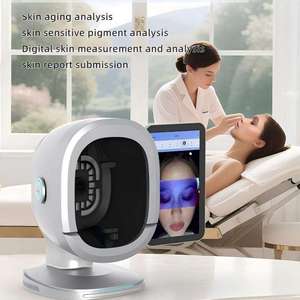
High Precision Multi Layer Skin Tester Dynamic Facial Data Recording Aesthetic Clinic Skin Diagnosis Scanner Machine
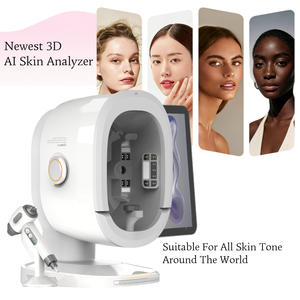
New Upgrade 3D Skin Analysis Facial Scanning 8 Spectral Technology Wrinkle Spot Testing Salon Use 3D Skin Analyzer Machine
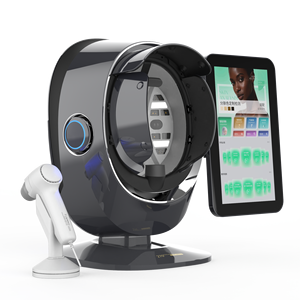
2026 Newest 3D Ai Intelligent Digital K57 Skin Analyzer Face Head Analysis Skin Color Testing Health Diagnosis Machine for
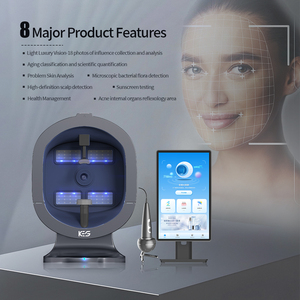
Kes 3D Smart Full Face Moisture Wrinkles Acne Scanner Skin Analyzer Machine For Skincare Facial AI Supports
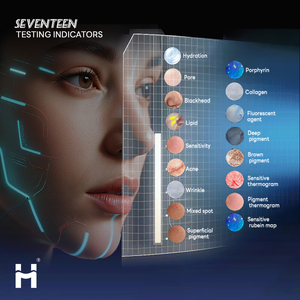
Professional 3D Skin Imaging Moisture Oil UV Spot Detection APP Integration AI Skin Analysis Machine Analyze Skin Problems
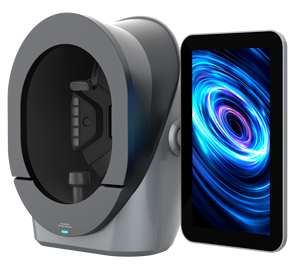
High-Precision Skin Analyzer Equipment for Moisture,Sensitivity & Elasticity Testing
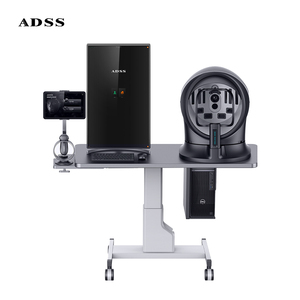
ADSS Newest 3D Facial Scanner Skin Analyzer 8 Spectrum AI Diagnostic Precision Skin Analysis Machine for Beauty Salon
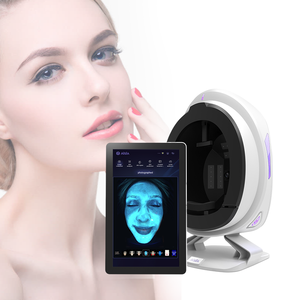
2026 Precision Portable High Frequency 3D Skin Analyzer Professional Facial Skin Care Analysis Equipment Skin Tightening Face
The Evolution of Precise Skin Diagnostic Units: A Comprehensive Technical & Procurement Whitepaper
In modern cosmetic dermatology, aesthetic medicine, and high-end professional skincare, the ability to quantify sub-surface dermatological conditions has shifted from an optional consultation perk to an essential diagnostic standard. Traditional surface-level evaluations rely heavily on subjective visual observation, leaving micro-pigmentation, early vascular dilation, deep-seated UV damage, and structural collagen breakdown unnoticed until they manifest on the epidermis.
China's manufacturing ecosystem for facial diagnostic hardware has undergone a massive technological shift. Today, leading original equipment manufacturers (OEMs) and exporters integrate multispectral imaging optics, high-definition CMOS sensors, ultra-violet fluorescence spectroscopy, and deep-learning AI algorithms into unified diagnostic workcenters. As a premier hub for precise skin diagnostic unit production, Chinese factories supply global aesthetic chains, pharmaceutical brands, and clinical dermatology practices with unparalleled cost-to-performance efficiency and technical accuracy.
Multispectral Illumination Optics: The Engine of Subdermal Precision
At the core of an advanced skin diagnostic machine lies its optical engine. Premium units manufactured by China’s top diagnostic exporters combine up to 8 to 12 distinct light spectra to capture facial data at varying tissue depths:
RGB Standard Daylight
Simulates natural outdoor light to establish baseline epidermal topography, surface pore size, rough texture, and visible color variations across the facial canvas.
Cross-Polarized Light (CPL)
Eliminates surface specular glare to penetrate deep into the dermal layer, revealing hidden hyperpigmentation, melasma, subsurface freckles, and vascular erythema.
Parallel-Polarized Light (PPL)
Enhances surface reflectivity to highlight subtle stratum corneum irregularities, fine lines, skin pore distortion, and micro-relief wrinkles with absolute sharpness.
UV Wood's Light (365nm)
Excites fluorophores in the skin, causing Cutibacterium acnes porphyrins to fluoresce in vivid orange/red, while revealing latent actinic damage and lipid distribution.
3D Surface Geometry Analysis
Utilizes structured light projection to map the 3D contour of wrinkles, acne scars, and facial volume loss, enabling quantitative volumetric tracking over time.
Moisture & Elasticity Sensing
Combines bio-electrical impedance or optical hydration mapping with spectral data to analyze stratum corneum barrier integrity and loss of elasticity.
Legacy RGB Diagnostic Systems vs. Next-Gen 3D AI Multispectral Units
When sourcing diagnostic hardware from Chinese manufacturing partners, procurement managers must evaluate optical architecture. The comparison table below highlights key performance leaps achieved in modern 2026 diagnostic units:
| Diagnostic Dimension | Legacy 2D RGB Skin Analyzers | Next-Gen Chinese 3D AI Multispectral Units |
|---|---|---|
| Optical Spectrum Range | RGB Visible Light + Basic Single UV Band | 8 - 12 Spectra (RGB, CPL, PPL, UV 365nm, Red Light, Brown Spectrum) |
| Camera & Sensor Resolution | 8MP - 12MP Standard CMOS Sensors | 24MP - 36MP Industrial Medical-Grade Ultra-Clear CMOS Sensors |
| Algorithm Depth | Rule-based static image comparison | Deep Neural Networks trained on 10,000,000+ Clinical Dermatological Datasets |
| Wrinkle & Texture Mapping | 2D Pixel Contrast Estimation | Quantitative 3D Structural Geometry & Volumetric Depth Scanning |
| Porphyrin & Acne Quantification | Subjective Color Spot Counting | Spectral Fluorescence Intensity Mapping & P. Acnes Population Density Score |
| Ecosystem & Connectivity | Local USB Storage / PC-Bound Software | Cloud SaaS, iPad Wireless Sync, API for EMR & CRM Management Systems |
Future Procurement & Technology Development Trends (2026–2030)
Global demand for precise skin diagnostic machinery is surging, driven by the expansion of non-invasive medical aesthetic treatments, personalized cosmetic formulations, and anti-aging clinical research. B2B buyers must anticipate several paradigm shifts when procuring from Chinese exporters:
1. AI-Driven Predictive Aging & Treatment Simulation
Modern clients do not merely want to see current skin damage; they demand visual proof of how targeted treatments will alter their skin trajectory. Next-generation diagnostic units manufactured in China leverage generative adversarial networks (GANs) and predictive deep learning to model 3 to 5 years of aging progression with or without specific intervention plans (e.g., laser resurfacing, chemical peels, or targeted peptide therapies).
2. Seamless Cloud SaaS & Multi-Terminal Synchronization
Standalone diagnostic hardware is rapidly being replaced by interconnected cloud-native systems. Leading Chinese factories provide white-label diagnostic hardware bundled with cloud architecture, allowing multi-location clinic franchises to sync patient consultation data across tablets, desktop computers, and client mobile apps in real-time. This trend drastically increases patient retention and cross-selling efficiency for aesthetic chains.
3. Expansion from Facial to Body & Scalp Diagnostic Units
While facial diagnostic scanners remain the flagship category, top manufacturers are introducing modular extension kits for hands, neck, décolleté, and trichological scalp diagnostics. High-magnification micro-cameras integrated into central skin diagnostic hubs allow clinics to offer holistic full-body skin and hair health assessments.
Enterprise Advantages of Premier Chinese Skin Analyzer Exporters
Navigating the global medical aesthetics market requires reliable supply chain partners who combine rigorous engineering standards with flexible OEM/ODM service models. Top Chinese skin diagnostic unit factories stand out through five key operational pillars:
ISO13485 Cleanroom Manufacturing
Optical assembly takes place in dust-free cleanrooms to ensure zero microscopic contaminants settle on lens elements, CMOS sensors, or internal LED illumination spheres.
Comprehensive International Certifications
Fully compliant with CE, RoHS, FCC, and FDA registration requirements, facilitating seamless customs clearance and legal regulatory registration for global importers.
End-to-End OEM/ODM Customization
From custom injection-molded casings and brand color schemes to white-label software interfaces, localized language packs, and custom API integrations.
Global Technical Support Network
Dedicated remote engineering teams provide 24/7 OTA software updates, optical recalibration assistance, and expedited spare part distribution across 60+ countries.
Frequently Asked Questions for B2B Importers & Distributors
Here are critical answers to common technical, logistics, and compliance queries raised by professional beauty buyers, aesthetic distributors, and medical procurement officers:
Q1: What is the standard minimum order quantity (MOQ) for OEM branding?
Standard unbranded or factory-branded diagnostic units can be ordered with an MOQ as low as 1 unit. For custom software logo integration and white-label housing packaging, the OEM MOQ typically starts at 5 to 10 units, while full custom-molded casing redesigns require larger volume commitments.
Q2: How is optical calibration maintained over long-term clinical use?
Top-tier Chinese diagnostic machines feature automated self-calibration software coupled with precision-calibrated LED light boards. The system monitors light output degradation over time and adjusts camera gain automatically to maintain 99.4% spectral diagnostic accuracy throughout its operational lifespan.
Q3: Can the skin analysis software integrate with our existing clinic management system (EMR/CRM)?
Yes. Modern units support RESTful APIs and SDK integrations, allowing diagnostic PDF reports, high-resolution spectral image sets, and quantitative skin health scores to sync seamlessly with popular practice management software platforms.
Q4: Are the UV light sources safe for client eyes during facial scanning?
Absolutely. Modern units utilize low-intensity 365nm UV LED pulse illumination rather than continuous tubes. The scan duration lasts less than 2 seconds, and automated eye-closed prompts along with optical shielding ensure zero discomfort or ocular damage.
Q5: What languages are supported in the software interface?
Standard software installations include English, Spanish, German, French, Italian, Portuguese, Russian, Arabic, Japanese, Korean, and Simplified/Traditional Chinese. Additional language localizations can be quickly added upon request.
Q6: What is the typical warranty period and technical support SLA?
Factories offer a standard 2-year warranty covering optical modules, mainboard circuits, and camera sensors. Technical support teams provide guaranteed 24-hour response times, free lifetime software upgrades via Cloud OTA, and complimentary replacement components during the warranty window.