Featured Professional Dermatological & Skin Diagnostic Scanners
Clinical-grade 3D skin analyzers, AI facial scanners, and multispectral pigmentation detectors designed for aesthetic medical clinics, cosmetic dermatology centers, and global distributors.
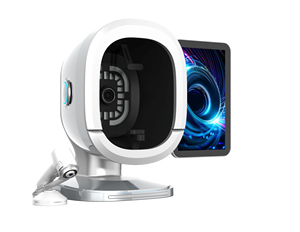
Portable 2025 Smart 3d Skin Analyzer Machine logo Ai Face Skin Diagnostics Analyzer Facial Scanner Skin Analyzer Device
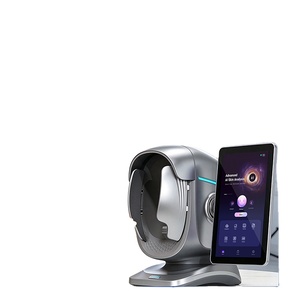
AI Skin Analyzer 7-Inch Touchscreen Facial Scanner 36MP Camera 5-Year Warranty Multi-Language Support for Skin Type Pigmentation
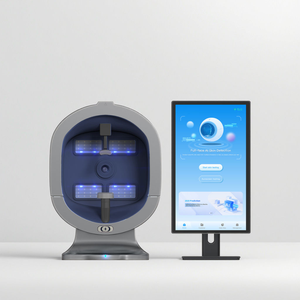
X5 Pro Skin Analyzer for Beauty Salon Moisture Wrinkles Acne Pores Detector 8 Spectrum Pigmentation Device Skin Analysis Machine

2025 New Arrivals Skin Analyzer Facial Scanning Skin Analysis Beauty Device for Pigmentation Acne Analysis
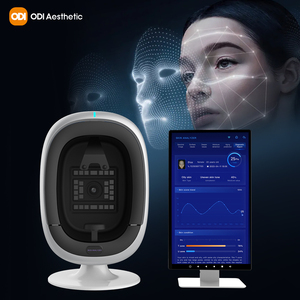
2025 New Digital Skin Analysis 3D Face Pigmentation Skin Tester Skin Analyzer Machine
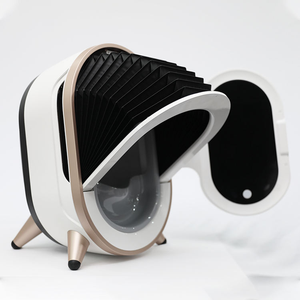
Beauty Salon Equipment Supplies Acne Pigmentation Mouisture test Facial Scanner Analysis 3d Smart Magic Mirror Skin Analyzer
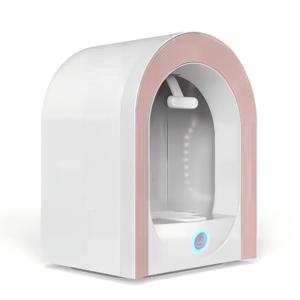
Professional AI Facial Skin Analyzer 3D Digital Skin Detector Machine Pigmentation Melasma Spectrum Analyzer for Salon
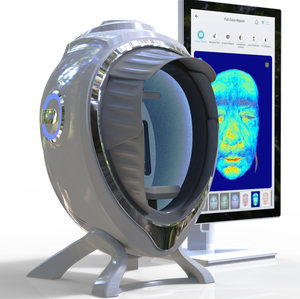
Wholesale Full Face Skin Analyzer Machine Professional Skin Deterctor for Freckles&Deep Pigmentation
Executive Summary: The Evolution of Professional Dermatological Scanning in Global Aesthetic Medicine
In the contemporary landscape of clinical dermatology, aesthetic medicine, and advanced medical spas, objective skin diagnosis has transitioned from a supplementary luxury to an indispensable clinical prerequisite. As a leading China professional dermatological scanner factory and exporter, our enterprise stands at the intersection of high-precision optical engineering, biomedical sensor technology, and artificial intelligence. This comprehensive whitepaper provides an authoritative analysis of global procurement trends, technological architectures, and strategic sourcing methodologies for clinical skin analysis systems.
Historically, facial skin assessments relied heavily on subjective visual evaluations under standard ambient light or basic magnification lenses. However, sub-surface pathological developments—such as early-stage dermal melasma, sub-epidermal vascular inflammation, incipient porphyrin bacterial activity, and underlying actinic damage—remain completely invisible to the unassisted human eye. Modern multispectral facial diagnostic systems bridge this diagnostic gap by capturing and analyzing light interactions across multiple specific optical wavelengths.
Information Gain Insight: Advanced dermatological imaging does not merely generate aesthetic visualizations; it operates as an objective, quantitative biological recorder. By standardizing cross-polarized light, parallel-polarized light, UV fluorescence, and Wood's light illumination, practitioners can detect dermal anomalies up to 3 to 5 years before they manifest on the skin surface.
Why Sourcing from Leading Chinese Optical Manufacturing Hubs Offers Strategic Advantage
Over the past decade, China has established itself as the world's primary innovation center for medical-grade optical instrumentation and smart aesthetic diagnostics. The technological convergence of high-resolution CMOS sensor production, algorithmic deep learning hardware, and streamlined supply chain ecosystems allows top-tier Chinese manufacturers to deliver clinical equipment that matches or exceeds European and North American benchmarks at a fraction of the total cost of ownership (TCO).
Our manufacturing facilities operate under strict ISO 13485 quality management systems, maintaining ISO Class 7 cleanrooms for optical lens positioning, sensor alignment, and spectroscopic calibration. When international medical equipment buyers, beauty franchise groups, and clinical distributors partner directly with our factory, they gain direct access to OEM/ODM white-label engineering, full SDK software integration, and comprehensive international regulatory compliance certifications (including CE, FDA registration pathways, RoHS, and IEC 60601 safety standards).
Core Technological Architecture: Multispectral Illumination & AI Spatial Mapping
To evaluate a professional skin scanner, medical procurement officers must look beyond surface specifications and examine the underlying optical and algorithmic architecture. Our enterprise integrates advanced optical diagnostic standards—mirroring proven clinical technologies such as Observ multispectral modalities—to deliver uncompromised diagnostic fidelity.
Cross-Polarized Light Imaging
Eliminates specular surface glare from the stratum corneum, enabling crystal-clear visual access to sub-surface erythema, vascular telangiectasia, and papillary dermal inflammation.
Parallel-Polarized Light Analysis
Enhances surface micro-relief reflection, rendering skin texture roughness, fine wrinkles, enlarged pore structures, and desquamation patterns with ultra-high contrast.
UV Fluorescence & Wood's Mode
Emits controlled 365nm ultraviolet radiation to stimulate autofluorescence of Cutibacterium acnes porphyrins, sebum lipid distribution, and deep epidermal dyschromia.
3D Deep Neural Reconstruction
Translates 2D multispectral photographs into volumetric 3D facial topographies, measuring pore volume depth, wrinkle length, and sag vectors with millimeter accuracy.
RBX Melanin & Vascular Separation
Deconstructs diffuse facial redness and brown pigmentation into isolated color channels, allowing precise differentiation between epidermal freckles and deep melasma.
Cloud Data & Efficacy Tracking
Automatically calculates percentage improvement metrics across longitudinal clinical sessions, producing objective compliance reports for laser and chemical peel treatments.
Technical Matrix: Comparing Diagnostic Capabilities Across Equipment Tiers
To assist global procurement officers in selecting the appropriate diagnostic grade for their market positioning, our engineering team has outlined the comparative capabilities in the matrix below:
| Diagnostic Feature | Entry Salon Scanner | Mid-Tier Diagnostic System | Clinical Flagship 3D Scanner |
|---|---|---|---|
| Camera Resolution | 12MP - 16MP Standard CMOS | 24MP Ultra HD Sensor | 36MP - 48MP Industrial Medical Grade |
| Spectral Illumination Modes | 3 Modes (RGB, UV, Polarized) | 6 - 8 Modes (Cross, Parallel, UV, Wood's) | 10+ Modes (Including Brown/Red Separation) |
| Facial Reconstruction | 2D Surface Mapping | Pseudo-3D Contour Overlay | True 3D Spatial Surface Volumetrics |
| AI Age Aging Simulation | Basic Predictive Overlay | 5-Year Predictive Algorithmic Engine | Dynamic 3D Structural Aging Simulation |
| Software Architecture | Local Android App | Windows / iOS Hybrid SaaS | Multi-Device Cloud CRM + SDK API Access |
| Target Application | Retail Skincare Counters & Salons | Aesthetic Spas & Cosmeceutical Clinics | Medical Dermatology & Plastic Surgery Centers |
Future Sourcing Trends: The 2025–2030 Roadmap for Skin Diagnostic Procurement
As the international medical aesthetics sector expands toward hyper-personalized treatments, the criteria for selecting skin diagnostics equipment are undergoing significant evolution. B2B buyers must anticipate upcoming technical disruptions to ensure long-term equipment viability and investment returns.
1. Shift from Descriptive Analysis to Prescriptive AI Algorithmic Guidance
First-generation analyzers merely identified current skin conditions (e.g., highlighting pores or spots). Next-generation 2025/2026 systems integrate generative AI diagnostic modules trained on millions of clinical dermatological datasets. Modern diagnostic software automatically formulates custom treatment protocols, recommending specific laser fluences, microneedling depths, and topical active ingredient concentrations customized to the patient's biological profile.
2. Modular Hardware Customization & White-Label Ecosystems
Global distributors and large medical spa chains increasingly demand proprietary hardware branding and software customization. Leading Chinese exporters are leading this shift by offering modular chassis designs. Brands can customize touchscreen dimensions (from 7-inch portable units to 21.5-inch clinical kiosks), exterior housing colorways, software UI themes, and API data synchronization with clinic management software (EMR/CRM systems).
3. Expanded Anatomical Coverage: Beyond Facial Scanning
Clinical practice data indicates that non-facial aesthetic treatments—specifically target areas such as the neck, décolleté, hands, and body contouring areas—represent the fastest-growing revenue streams for medspas. Advanced factory manufacturing roadmaps now incorporate extension hardware attachments and flexible mobile stands, enabling comprehensive multi-zone dermal scanning without necessitating separate specialized devices.
4. Cloud Tele-Dermatology and Remote Diagnostic Archiving
With the global rise of decentralized aesthetic medicine and remote consultation models, modern skin scanners serve as edge-computing data nodes. Secure, HIPAA-compliant cloud synchronization allows multi-location clinic franchises to centralize patient diagnostics, perform remote expert reviews, and maintain standardized diagnostic consistency across global branches.
Enterprise Superiority: Our Factory Sourcing Standards & Manufacturing Excellence
As a leading Chinese factory specializing in professional dermatological scanners, our enterprise maintains rigorous quality assurance protocols to guarantee clinical dependability, long-term durability, and seamless operational reliability for our international partners.
ISO 13485 & Optical Calibration
Every scanner unit undergoes 72 hours of continuous optical spectrum burnout testing and sensor calibration to guarantee sub-millimeter diagnostic precision before dispatch.
Global Export & Regulatory Support
Complete documentation suites including CE Medical, FDA Establishment Registration, RoHS compliance, and custom localized user interface translation in 15+ languages.
Full OEM/ODM Engineering
Dedicated R&D teams offering custom industrial casing design, mainboard modification, proprietary software integration, and branded packaging solutions.
Clinical Value Proposition for Practice Owners: Clinics utilizing our multispectral diagnostic scanners experience an average 40% increase in patient conversion rates for advanced treatment packages (such as laser resurfacing, RF microneedling, and targeted chemical peels) due to clear, visual proof of sub-surface skin improvements.
Frequently Asked Questions (FAQ) for B2B Skin Scanner Procurement
Direct answers to essential questions asked by international buyers, medical device distributors, and clinic owners when sourcing dermatological diagnostic equipment from China.