Global B2B Procurement Trends in Facial Skin Imaging Systems (2025–2030)
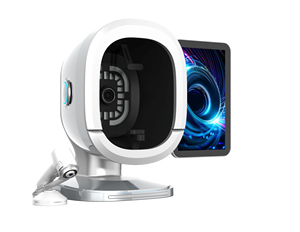
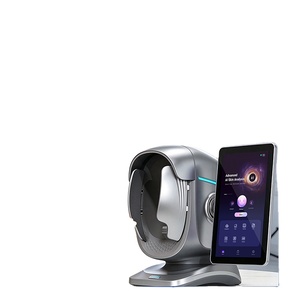
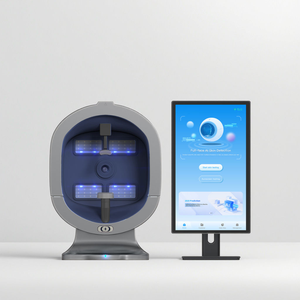
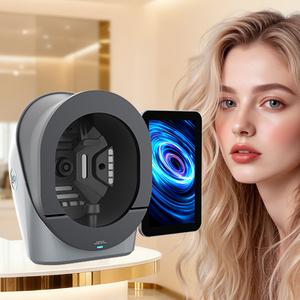
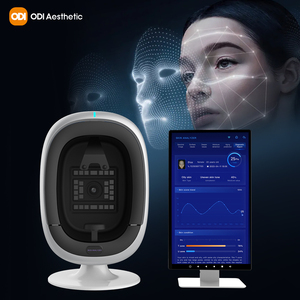
The global market for professional facial diagnostic machinery is undergoing a monumental paradigm shift. Driven by advanced optical sensor technologies, machine learning algorithms, and growing patient demand for non-invasive cosmetic consultations, dermatological practices and aesthetic medi-spas are modernizing their diagnostic infrastructure. As an established OEM/ODM manufacturer and exporter, our engineering whitepaper outlines the strategic procurement shifts governing global supply chains today.
1. Shift from Basic RGB Camera Systems to Multi-Spectral Diagnostic Workstations
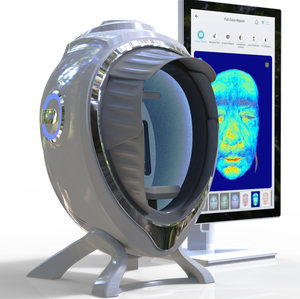
Standard daylight photography is no longer sufficient for professional clinical evaluations. High-volume buyers now mandate systems equipped with multi-spectral light sources. By toggling rapidly between standard Daylight (RGB), Cross-Polarized, Parallel-Polarized, True UV (365nm), and Wood’s Light illuminations, clinicians can isolate targeted chromophores within distinct epidermal and dermal layers.
- Cross-Polarized Spectrum: Eliminates surface glare to reveal sub-dermal vascular structures, erythema, micro-inflammation, and telangiectasia.
- Parallel-Polarized Spectrum: Enhances surface textural anomalies, fine lines, micro-relief, and pore enlargement.
- UV & Wood's Illumination: Excites epidermal fluorophores to map active porphyrin concentrations (acne bacteria), deep-seated melasma, and hyperpigmentation invisible to the naked eye.
2. Custom OEM Software Integration & SDK/API Accessibility
Large cosmetic franchises, skincare brand conglomerates, and hospital groups require customized user interfaces and private-cloud database synchronization. Modern B2B procurement demands modular hardware platforms that offer software development kits (SDKs) and RESTful APIs. This enables direct integration into Electronic Health Record (EHR) systems, custom practice management platforms, and branded client mobile applications.
3. 3D Facial Topography & Quantitative Volume Mapping
The integration of stereoscopic 3D facial scanning allows practitioners to measure volume loss, contour changes, and structural sagging over time. This technology is vital for evaluating injectable dermal fillers, thread lifts, and radiofrequency skin tightening treatments, providing reproducible, quantifiable before-and-after benchmarks.