Featured OEM/ODM Skin Pigmentation Diagnostic Systems
Explore our flagship white-label skin analyzers, engineered with multi-spectrum modality, high-resolution optics, and enterprise SDK support for global medical beauty distributors.
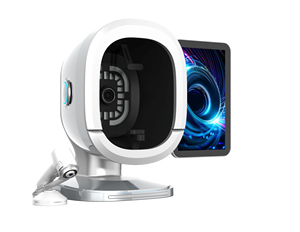
Portable 2025 Smart 3d Skin Analyzer Machine logo Ai Face Skin Diagnostics Analyzer Facial Scanner Skin Analyzer Device
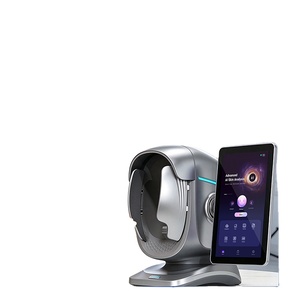
AI Skin Analyzer 7-Inch Touchscreen Facial Scanner 36MP Camera 5-Year Warranty Multi-Language Support for Skin Type Pigmentation
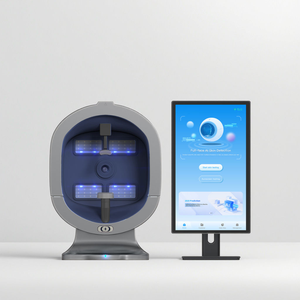
X5 Pro Skin Analyzer for Beauty Salon Moisture Wrinkles Acne Pores Detector 8 Spectrum Pigmentation Device Skin Analysis Machine
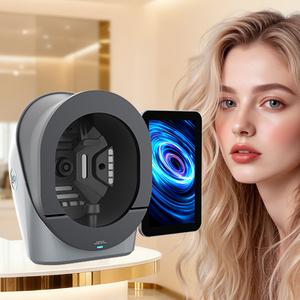
2025 New Arrivals Skin Analyzer Facial Scanning Skin Analysis Beauty Device for Pigmentation Acne Analysis
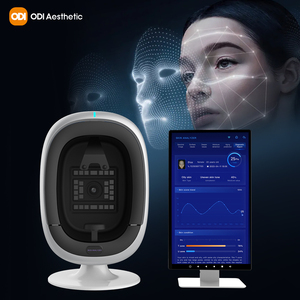
2025 New Digital Skin Analysis 3D Face Pigmentation Skin Tester Skin Analyzer Machine
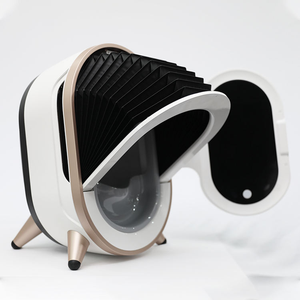
Beauty Salon Equipment Supplies Acne Pigmentation Mouisture test Facial Scanner Analysis 3d Smart Magic Mirror Skin Analyzer
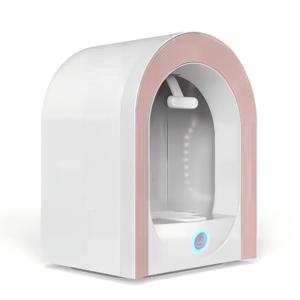
Professional AI Facial Skin Analyzer 3D Digital Skin Detector Machine Pigmentation Melasma Spectrum Analyzer for Salon
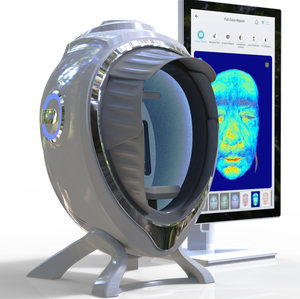
Wholesale Full Face Skin Analyzer Machine Professional Skin Deterctor for Freckles&Deep Pigmentation
1. Executive Industry Insight: The Evolution of Pigmentation Diagnostics
The global market for advanced aesthetic diagnostic hardware is undergoing a paradigm shift. Cosmetic dermatology clinics, medical spas, and skincare brands are transitioning from qualitative visual evaluations to quantitative, evidence-based multispectral skin analysis. At the core of this revolution is the specialized sub-segment of Facial Pigmentation Diagnostic Devices.
Pigmentation disorders—including melasma, post-inflammatory hyperpigmentation (PIH), solar lentigines, and deep dermal nevus—present complex optical signatures across different skin depths. Traditional RGB photography fails to capture sub-surface melanin distribution. Modern OEM/ODM diagnostic solutions integrate narrow-band multispectral optics, cross-polarized illumination, and deep-learning chromophore algorithm models to isolate epidermal and dermal pigments with sub-millimeter precision.
Key Drivers of OEM Customization Demand in 2025–2030
- Algorithmic Quantification: Demand for automated pigment surface-area indexing (Pigmentation Severity Index) replacing subjective severity scales.
- Private-Label Ecosystem Integration: Skincare conglomerates requiring custom diagnostic software that links pigment severity metrics directly to proprietary topical regimens or laser treatment protocols.
- Hardware Miniaturization & Embedded Edge Computing: Shift from bulky PC-tethered desktop units to standalone 3D facial scanners powered by embedded neural processing units (NPUs).
- Global Regulatory Standardization: Growing necessity for CE-MDR, FDA Class II compliance, and ISO 13485 manufacturing lineage across OEM hardware supply chains.
2. Technical Architecture: Multispectral Chromophore Segmentation
To establish true clinical authority (E-E-A-T), custom diagnostic equipment must go beyond high megapixels. The defining benchmark of a premium OEM pigmentation diagnostic machine lies in its Optical Architecture and Chromophore Separation Accuracy.
When light interacts with human skin, photons are selectively absorbed and scattered by chromophores—primarily melanin (in the epidermis and basal layer) and hemoglobin (in the dermal microvasculature). By engineered pulsing of specific LED spectra and optical filtration, OEM factory engines separate these signals cleanly.
| Illumination Spectrum | Target Wavelength / Modality | Pigmentation Diagnostic Depth | Clinical Applications |
|---|---|---|---|
| Standard RGB Daylight | 400 nm – 700 nm Visible | Surface Cutaneous Layer (0.0 mm) | Baseline freckles, visible solar spots, skin tone macro-mapping. |
| Cross-Polarized Light | Filtered 550 nm Linear Polarized | Epidermal-Dermal Junction (~0.2 mm) | Eliminates surface specular glare; reveals sub-surface melasma and diffuse pigmentation. |
| Parallel-Polarized Light | Direct Reflection Filter | Stratum Corneum Surface | Assesses surface texture, micro-relief, fine lines, and superficial pigment topography. |
| UV Fluorescence (Wood's) | 365 nm High-Output LED | Deep Basal & Dermal Layer (~0.5 mm) | Reveals latent UV-damaged cells, dyschromia, porphyrin concentrations, and hidden spots. |
| Red/IR Matrix | 630 nm – 850 nm Spectral Band | Deep Dermal Vasculature & Matrix | Separates vascular erythema from melanocytic hyperpigmentation to avoid misdiagnosis. |
36MP High-Precision Optics
Utilizing industrial CMOS sensors paired with low-distortion optical lenses, capturing facial micro-details down to 10-micron spatial resolution.
RGB-Hemoglobin Separation
Mathematical matrix transformations decompose color values into pure Melanin and Hemoglobin density maps, preventing red spots from biasing pigment scores.
3D Morphological Align
Automated facial landmark tracking (68 points) ensures perfect pixel-to-pixel registration during longitudinal before-and-after clinical tracking.
3. Comprehensive OEM/ODM Manufacturing & Customization Matrix
As a premier OEM facial pigmentation diagnostic device factory, we provide end-to-end original design manufacturing (ODM) and original equipment manufacturing (OEM) solutions tailored for medical aesthetic brands, device distributors, and pharmaceutical companies.
Hardware & Industrial Design Engineering
Our in-house R&D team provides full industrial design flexibility, transforming brand visions into market-ready diagnostic units:
- Chassis Architecture: Standalone desktop hoods, foldable 3D magic mirror units, or ultra-portable tablet-integrated hand-held scanners.
- Color, Material & Finish (CMF): Custom injection molding, anodized aluminum accents, medical-grade antibacterial matte coatings, and custom RGB lighting strips.
- Optical Engine Customization: Custom LED spectral selection (narrowband 365nm UV, 405nm Violet, 520nm Green pigment enhancement LED arrays).
- Branding Integration: Laser-etched metal badging, silk-screened brand logos, custom box packaging, and branded carrying cases.
Software SDK, Cloud & AI Customization
Software delivers the client conversion experience. We offer deep software white-labeling and custom algorithmic pipelines:
- White-Label UI/UX: Branded user interfaces, custom color schemes, custom boot screens, and multi-language support (20+ languages).
- Proprietary Skincare Recommendation Engines: Map diagnostic pigment risk scores directly to your brand's specific SKUs, creams, or lasers.
- Cloud Telemetry & API Integration: RESTful APIs and WebSocket support to sync client diagnostic records into external CRM or EMR platforms.
- Cross-Platform Compatibility: Native software for Windows, iOS iPad app control, and Android tablet SDKs.
4. Global Procurement & Strategic Market Development Trends (2025-2030)
For B2B buyers, procurement managers, and device brand owners, staying competitive requires aligning purchasing strategies with upcoming technological shift patterns. Our enterprise market research identifies key trends reshaping skin diagnostic equipment procurement:
1. Edge AI and Neural Engine Real-Time Segmentation
Historically, facial scanners required streaming raw images to external cloud servers for heavy AI computation, introducing latency and data privacy concerns. The next generation of OEM devices incorporates onboard Neural Processing Units (NPUs). Diagnostic inference—classifying epidermal melasma versus dermal post-inflammatory lesions—now executes locally in under 1.5 seconds, compliant with GDPR and HIPAA privacy standards.
2. Longitudinal Treatment Efficacy Tracking
Clinics are demanding diagnostic software that automates progress tracking over 30, 60, and 90-day intervals. Advanced registration algorithms correct for micro-variations in patient head tilt, lighting variations, and expression shifts. OEM systems with automated alignment produce pixel-subtracted heatmaps that prove skin pigment reduction after laser or peeling therapy.
3. Convergence of Diagnostics and Home Care Tele-Dermatology
B2B procurement is expanding beyond large clinic consoles into mini hybrid diagnostic devices. Skincare brands are procuring custom portable diagnostic scanners for VIP client home consultations, creating continuous omni-channel sales loops for targeted anti-pigmentation serums.
5. Enterprise Factory Capabilities, Production Lineage & QA Standards
Reliability builds trust. As a leading manufacturer of facial pigmentation diagnostic devices, our state-of-the-art facility operates under strict quality management systems to guarantee medical-grade precision and zero-defect global shipments.
ISO 13485 Certified Assembly
Our cleanroom assembly environment maintains ISO 13485 medical device quality management standards, ensuring sterile, static-free optical sensor integration.
Spectral Spectrum Calibration
Every device undergoes automated integrating-sphere optical calibration to normalize LED lux output, color temperature, and wavelength purity across production batches.
International Compliance
Full certification suite including CE, FCC, RoHS, and FDA Class II registration capability, enabling seamless customs clearance worldwide.
6. B2B OEM Procurement FAQ: Custom Diagnostic Hardware & Supply Chain
Find authoritative answers to common commercial, technical, and supply chain inquiries regarding custom facial pigmentation analyzer orders.
Partner with a World-Class Pigmentation Diagnostic OEM Factory
Empower your brand with custom multispectral skin scanners engineered for clinical accuracy, aesthetic authority, and maximum ROI. Request technical specifications, sample units, and bulk pricing today.
Inquire Now