Commercial & Clinical Multispectral Analyzer Catalog
Explore our engineered portfolio of OEM/ODM facial diagnostic systems available for global wholesale export, custom white-label branding, and software API integration.
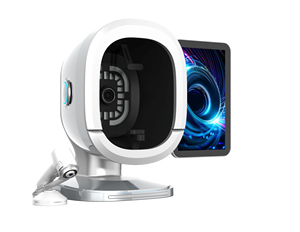
Portable 2025 Smart 3D Skin Analyzer Machine with AI Diagnostics
Engineered for mobile clinical teams and high-end med-spas. Features automated 3D facial mesh reconstruction, 10 spectral illumination modes, multi-brand logo OEM customization, and real-time sebum-pigment scoring.
Inquire Now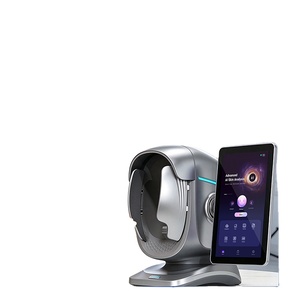
AI Skin Analyzer 7-Inch Touchscreen Facial Scanner (36MP Camera)
Clinical-grade 36MP optical camera module backed by a 5-year hardware warranty. Integrated 7-inch interactive HD touchscreen, localized multi-language UI (30+ languages), and sub-surface melasma mapping.
Inquire Now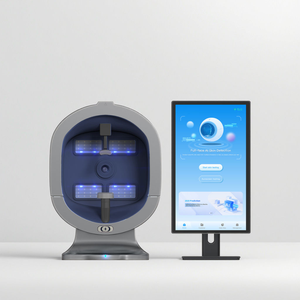
X5 Pro Skin Analyzer & Spectrum Pigmentation Detector
Designed specifically for aesthetic centers and dermatology clinics. Utilizes 8 distinct light spectra (RGB, PL, UV, Woods light, etc.) to detect deep acne inflammation, pore density, and moisture balance.
Inquire Now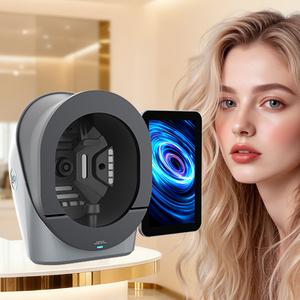
2025 Next-Gen Facial Scanning Diagnostic Beauty Device
High-throughput commercial diagnostic unit optimized for acne tracking and epidermal pigmentation. Features automated report generation, QR code sharing for patients, and seamless Cloud backup.
Inquire Now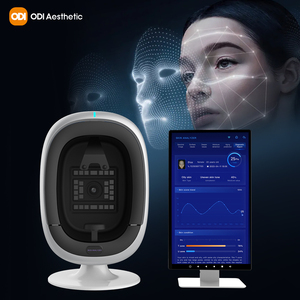
Digital 3D Facial Pigmentation Tester & Skin Analysis Station
Combines precision optical sensor hardware with deep-learning skin aging predictive modeling. Quantifies wrinkle depth, vascular distribution, and pore congestion in under 15 seconds.
Inquire Now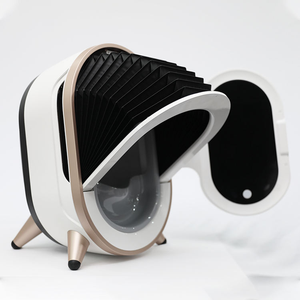
3D Smart Magic Mirror Skin Analyzer for Beauty Salons
Iconic all-in-one magic mirror hood design. Provides cross-polarized glare reduction, automated UV porphyrin fluorescence imaging, and intelligent product recommendation cross-selling engine.
Inquire Now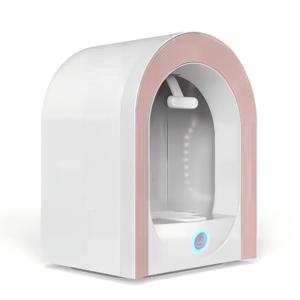
Professional AI Melasma & Spectrum Skin Detector
High-precision diagnostic engine tuned specifically for melasma classification and deep dermal vascularity. Includes ergonomic chin-rest positioning, shadowless LED arrays, and clinical CRM software.
Inquire Now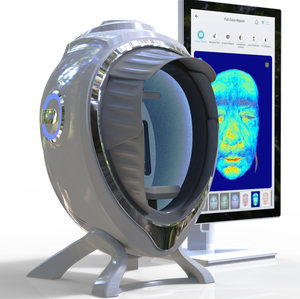
Wholesale Full-Face Deep Pigmentation & Freckle Analyzer
Industrial-grade construction engineered for international distributors and chain cosmetic clinics. Features turnkey OEM casing options, full SDK/API access, and high-speed multi-spectral capture hardware.
Inquire NowFactory Performance & Clinical Validation Data
Backed by rigorous optical engineering, medical device ISO certifications, and over a decade of OEM manufacturing expertise.
Whitepaper: Technological Evolution of Multispectral Diagnostic Hardware
An authoritative analysis of optical physics, AI skin classification, and structural OEM hardware trends defining cosmetic dermatology.
Multispectral Illumination Matrix
Modern skin diagnostics rely on precise wavelength switching rather than simple visible spectrum photography. By combining RGB Daylight (400-700nm), Cross-Polarized Light (filtering specular glare), Parallel-Polarized Light (enhancing surface texture/wrinkles), and UV Fluorescence (365nm), skin analyzers illuminate physiological structures situated at varied depths of the epidermis and dermis.
Deep-Learning Algorithmic Mapping
The core intelligence of 2025 skin analyzers lies in deep convolutional neural networks (CNNs) trained on millions of dermatological images. The algorithm evaluates ten critical skin indicators: pore dilation, acne vulgaris spots, underlying melasma, vascular telangiectasia, porphyrin concentration, wrinkle depth, moisture index, collagen density, UV damage, and metabolic skin age.
3D Facial Topography & Alignment
In clinical trials and aesthetic consultation, reproducible patient positioning is mandatory for baseline accuracy. Advanced OEM devices utilize 3D facial feature recognition to automatically align chin, forehead, and cheek positioning across multiple visits. This guarantees that before-and-after treatment comparisons possess 100% optical consistency without spatial distortion.
| Optical Mode | Physical Wavelength / Filter | Dermatological Target Areas | Clinical Information Gain |
|---|---|---|---|
| RGB Standard Daylight | 400 nm – 700 nm Visible Light | Surface pores, coarse wrinkles, visible acne, surface skin color | Baseline visual reference under standardized shadow-free LED illumination. |
| Cross-Polarized Light | Linear Polarization Filters (90° offset) | Dermal pigmentation, sub-surface vascularity, erythema, melasma | Eliminates stratum corneum surface glare to reveal sub-epidermal inflammation and hyperpigmentation. |
| Parallel-Polarized Light | Parallel Polarization Filters (0° offset) | Stratum corneum texture, fine lines, skin smoothness, micro-relief | Accentuates specular surface reflections to quantify microscopic skin roughness and hydration barrier loss. |
| UV Fluorescence Light | 365 nm High-Intensity UVA Spectrum | Propionibacterium acnes porphyrins, sebum secretion, deep UV damage | Excites fluorophores; porphyrins glow bright orange/red under 365nm UV, pin-pointing active bacterial acne colonization. |
| Wood's Light Mode | Simulated Wood’s Filter (320-400nm) | Epidermal vs. dermal pigment localization, tinea, vitiligo boundary | Differentiates superficial epidermal pigment (which accentuates) from deep dermal pigment (which fades). |
Global Sourcing & Procurement Trends (2025–2030)
Insights for enterprise buyers, medical aesthetic equipment importers, and cosmetic brand OEMs seeking strategic supply chain positioning.
1. Transition from Standalone Hardware to SaaS-Connected Ecosystems
B2B procurement data shows a shift away from isolated hardware units toward cloud-connected diagnostic stations. Modern aesthetic chains demand centralized client database synchronization, cross-branch analytics dashboards, and iPad/tablet companion apps (such as Sylton Connect software architecture). Exporters providing unified SaaS APIs command a 40% higher customer lifetime value.
2. White-Label Product Recommendation Engine Integration
Global skincare distributors no longer want generic diagnostic reports. They require custom OEM firmware that maps diagnosed skin deficiencies (e.g., high porphyrin counts or low moisture indices) directly to their proprietary skincare SKUs and treatment protocols. Sourcing manufacturers must provide flexible backend database management for SKU matching.
3. Modular Ergonomic Design & Multi-Body Area Imaging
While facial scanning remains primary, procurement interest is accelerating for extended anatomical coverage. Next-generation ODM contracts specify modular accessories and stand configurations capable of capturing hands, neck, and décolleté regions. Compact, mobile, and table-top dual-purpose chassis designs dominate international tenders.
Enterprise Factory Capabilities & Customization Workflow
Why leading global aesthetic brands, dermatological research institutes, and chain salons partner with our manufacturing plant.
Full Turnkey OEM Hardware Branding
We provide end-to-end physical customization including custom industrial casing colors, laser-engraved corporate logos, silk-screened acrylic shields, customized LED ring lighting hues, and bespoke packaging design tailored for international freight safety.
Firmware & Software UI/UX Localization
Our software engineering team offers complete white-label GUI customization. We embed your brand identity into software boot screens, consultation PDFs, tablet applications, and localized language packs spanning over 30 global languages.
Strict ISO 13485 & CE/FDA Compliance
Every device leaving our cleanroom assembly line undergoes rigorous optical spectrum calibration, high-voltage safety testing, and thermal aging checks. Our factory maintains ISO 13485 certification, and our products hold CE, RoHS, and FDA compliance documentations.
The R&D and Manufacturing Pipeline Behind Precision Skin Imaging
Building high-fidelity multispectral diagnostic hardware requires precise integration of optical engineering, microelectronics, structural design, and machine learning software. At our state-of-the-art manufacturing facility, every optical assembly is conducted inside Class 10,000 cleanrooms to eliminate micro-dust contamination on optical sensors and polarizers.
Our proprietary optical bench calibration ensures that every LED array—from narrow-band 365nm UV diodes to high-CRI white light emitters—delivers identical spectral intensity across the entire facial focal plane. This strict hardware standardization guarantees that diagnostic data and score values are perfectly reproducible across thousands of skin analysis devices operating in clinics worldwide.
Frequently Asked Questions (B2B Sourcing & Procurement)
Detailed answers to assist procurement directors, importers, OEM buyers, and aesthetic clinic chain operators.
Partner with a Leading OEM/ODM Skin Diagnostics Factory
Connect directly with our senior optical engineering and OEM project sales teams. Request wholesale price lists, factory audit documentation, or custom software demo access today.