Featured High-Tech Diagnostic Hardware
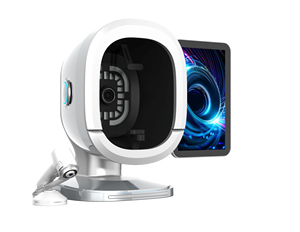
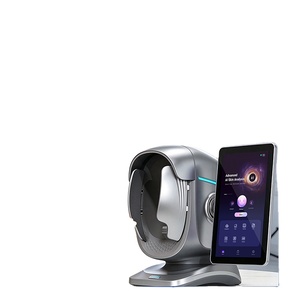
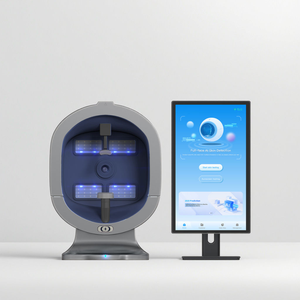
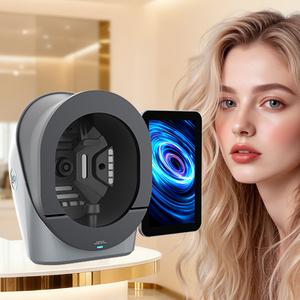
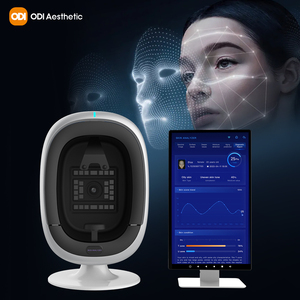
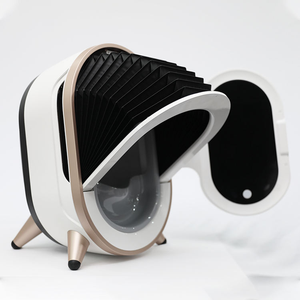
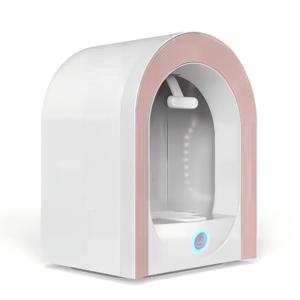
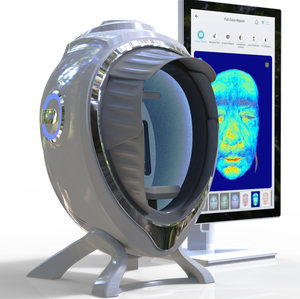
1. Executive Summary: Evolution of High-Tech Facial Diagnostic Systems
In the contemporary aesthetic medicine and cosmetic dermatology landscape, the transition from subjectively estimated skin evaluations to quantitative, evidence-based multispectral skin imaging represents a fundamental paradigm shift. High-tech facial diagnostic systems have evolved far beyond basic magnification tools; today, they function as enterprise-grade clinical instruments integrating RGB trichromatic imaging, cross-polarized light filtering, ultraviolet (UV) fluorescence, and deep convolutional neural networks (CNNs).
As global demand for medical aesthetics, non-invasive procedures, and personalized skincare regimens skyrockets, medical aesthetics clinics, dermatology centers, and high-end spa chains rely heavily on diagnostic hardware. B2B procurement managers and clinical directors face complex evaluation matrixes when selecting manufacturing partners. Hardware optical fidelity, spectral bandwidth precision, cloud software interoperability, ISO13485 medical-grade manufacturing certification, and original equipment manufacturer (OEM) customization capabilities dictate long-term return on investment (ROI).
Technical Information Gain: Optical Coherence & Sub-Dermal Spectral Isolation
Modern high-tech facial scanners utilize cross-polarized illumination to eliminate surface specular reflection (glare), isolating subsurface epidermal and dermal light scatter. This permits precise mapping of vascular structures (hemoglobin concentration in erythema/rosacea) and sub-dermal melanin distribution (melasma, solar lentigines) down to a depth of 2.5 mm beneath the stratum corneum.
2. Top 10 High-Tech Facial Diagnostic System Manufacturers & Factories
Based on rigorous clinical data accuracy, optical hardware manufacturing standards, factory production capacity, software ecosystem maturity, and OEM/ODM service scalability, we present the comprehensive global evaluation of the top 10 diagnostic system manufacturers for 2025.
Manufacturer Technical & Operational Comparison Matrix
To streamline B2B procurement decision-making, the matrix below highlights core optical capabilities, sensor resolutions, compliance standard capabilities, and target clinic environments across leading factory systems:
| Manufacturer Platform | Optical Spectrum Modes | Sensor Resolution | AI Diagnostic Core | Manufacturing Standard | Primary B2B Target |
|---|---|---|---|---|---|
| Sylton Observ 520x | 10 Light Modes (UV, PL, Cross-P, Daylight) | 24 MP - 36 MP Ultra HD | Deep Learning Surface & Sub-Dermal AI | ISO13485 / CE Medical / FDA Registered | Cosmetic Dermatology & Premium MedSpas |
| Canfield VISIA v9 | 7 Spectrum Modes (Canfield RBX Tech) | 24 MP Standard Optic | Intelligenic Ageing Index Engine | FDA 510(k) / ISO13485 | Clinical Research & Dermatology Clinics |
| MEICET Smart 3D | 8 Spectrum Illumination Modes | 36 MP High Dynamic RGB | Cloud-based Facial Grid Recognition | ISO9001 / CE / RoHs Compliant | Salon Chains & Distributor Brands (OEM) |
| Bomtech A-One Smart | 4 Core Spectrum Modes | 18 MP Integrated Optic | Automated Skin Score Matrix | KFDA / CE Certified | K-Beauty Skincare Counters & Clinics |
| QuantifiCare LifeViz | Stereophotogrammetric 3D Flash | Dual 20 MP Synchronized Optic | Volume Contouring Algorithm | Medical Device CE Class IIa | Plastic Surgery & Injectable Clinics |
3. Enterprise Hardware Heritage & Technological Edge
Drawing directly from the clinical heritage of Sylton Observ technology, high-end facial diagnostic systems engineered in world-class facilities incorporate core engineering principles that guarantee clinical repeatability and client trust.
10+ Illumination Spectrum Modes
By combining true daylight, cross-polarized, parallel-polarized, UV fluorescence, and Wood's light modes, practitioners can visualize sub-surface vascular structures, hyperpigmentation, porphyrin bacteria, and dermal lipid barrier degradation.
Non-Invasive Clinical Safety
Completely non-invasive optical scanning with zero harmful radiation, zero consumables, and zero downtime. Fully compliant with international patient safety and optical radiation standard EN 62471.
Integrated Software Platform
Seamless integration with centralized iPad/tablet software (e.g., Sylton Connect). Enables standardized positioning, client history tracking, automated side-by-side comparative analytics, and instant exportable PDF reports.
4. Next-Generation Industry & Technological Procurement Trends (2025–2030)
As procurement buyers evaluate potential factories and diagnostic hardware platforms, understanding technological trajectories is imperative to prevent hardware obsolescence. Strategic technology vectors driving the industry over the next five years include:
■ Deep Learning AI & Sub-Surface Biological Mapping
Next-generation factory systems are embedding localized neural processor units (NPUs) into hardware controllers. Rather than relying on simple color thresholding, algorithms trained on millions of clinical skin images can automatically differentiate between epidermal melasma, post-inflammatory hyperpigmentation (PIH), and deep dermal nevus of Ota with microscopic fidelity.
■ 3D Surface Topography & Volume Modification Profiling
Beyond 2D spectral imaging, modern factories are incorporating structured-light 3D scanner modules. By projecting fine fringe patterns, the system captures sub-millimeter surface height variations, quantitatively evaluating wrinkle depth (fine lines vs. structural folds), pore volume, and volume loss prior to dermal filler procedures.
■ SaaS Tele-Dermatology & Multi-Clinic Centralization
Enterprise beauty chains and dermatology networks require centralized database synchronicity. Enterprise skin diagnostic hardware now communicates via encrypted cloud API endpoints (HIPAA/GDPR compliant), allowing patient records to be accessed instantly across multi-location clinic branches.
■ Modular Hardware & Ergonomic Extension Kits
Purchasing trends show a massive shift toward modular diagnostic hardware. Diagnostic scopes are no longer restricted to face-only chinrests. Modern OEM factories offer modular stands, neck & décolleté extensions, and ergonomic hand-held attachments to examine chest, neck, and hand photodamage.
5. Strategic Sourcing Guide & ROI Calculation Matrix for Buyers
Investing in a high-tech facial diagnostic system requires analyzing both upfront capital expenditure (CapEx) and operational returns. Diagnostic devices act as primary consultation conversion drivers; clinics utilizing standardized multispectral reporting consistently document elevated treatment acceptance rates.
Diagnostic System Treatment Conversion ROI Formula:
*Clinical Case Study Average: Incorporating a 10-spectrum facial scanner increases high-ticket procedure conversions (e.g., laser resurfacing, RF microneedling) by 32% to 45% due to visual evidence representation.
Factory Assessment Criteria for OEM/ODM Procurement
- Optical Calibration Uniformity: Ensure the factory calibrates LED illumination intensity and color temperature (CRI > 95) across all manufactured units to guarantee longitudinal image repeatability.
- Software White-Labeling Depth: Verify whether the manufacturer provides customizable UI, brand logos, automated recommendations engines, and local database SDK integration.
- Medical Compliance & Certifications: Require factories to provide ISO 13485 Quality Management System documentation, CE Medical Device Regulation (MDR) certificates, and RoHS environmental compliance.
- After-Sales Warranty & Hardware Support: Confirm factory spare parts availability, optical lens replacement protocols, and global technical support service-level agreements (SLAs).
6. B2B Sourcing & Technical Procurement FAQ
Below are the critical technical and commercial questions procurement managers, distributors, and clinic directors ask when evaluating facial diagnostic system manufacturers:
Ready to Source High-Tech Diagnostic Hardware?
Connect directly with certified facial diagnostic system OEM/ODM manufacturing specialists to request factory pricing, customization options, and clinical equipment specs.