Leading Optical Skin Imaging Systems
High-precision multispectral facial scanners, 3D skin analyzers, and diagnostic cameras for cosmetic dermatology and aesthetic practice growth.
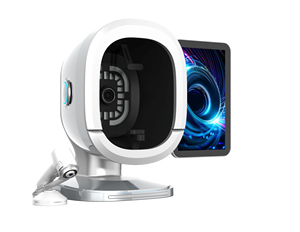
Portable 2025 Smart 3D Skin Analyzer Machine AI Diagnostics Device
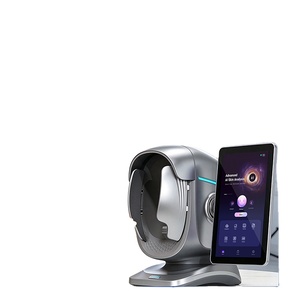
AI Skin Analyzer 7-Inch Touchscreen Facial Scanner 36MP Camera
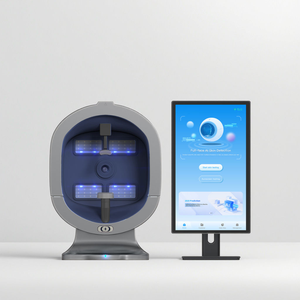
X5 Pro Skin Analyzer Moisture Wrinkles Acne 8 Spectrum Device

2025 New Arrivals Facial Scanning Skin Analysis Beauty Device
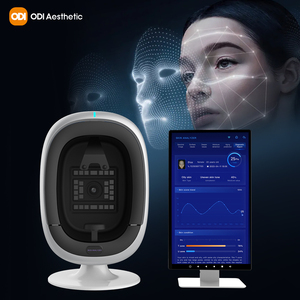
2025 Digital Skin Analysis 3D Face Pigmentation Skin Tester
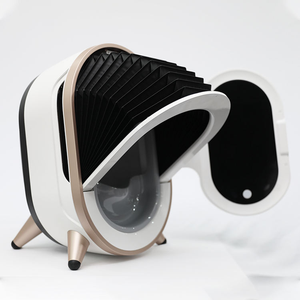
Beauty Salon Equipment 3D Smart Magic Mirror Skin Analyzer
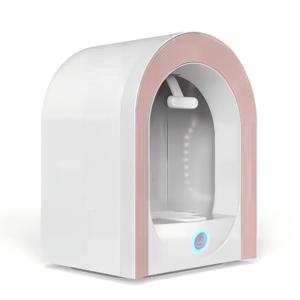
Professional AI Facial Skin Analyzer Melasma Spectrum Machine
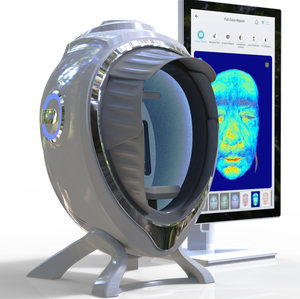
Wholesale Full Face Skin Analyzer Machine for Freckles & Pigmentation
1. Executive Summary & Market Intelligence (2025–2030)
The global aesthetic dermatology and clinical skin diagnostics sector is undergoing a monumental paradigm shift. The global optical skin imaging systems market, valued at USD 1.84 Billion in 2024, is projected to expand at a Compound Annual Growth Rate (CAGR) of 11.8%, reaching USD 4.12 Billion by 2030. Driven by non-invasive diagnostic demand, standard subjective visual skin examinations are being rapidly replaced by high-precision, quantitative multispectral imaging systems.
Medical aesthetic practitioners, cosmetic dermatologists, and high-end medspas now treat optical skin analyzers not merely as diagnostic tools, but as essential patient acquisition and treatment validation engines. Modern buyers demand absolute clinical precision: systems capable of isolating sub-surface vascular networks, deep epidermal melanin distribution, porphyrin bacterial colonization, and structural collagen density loss long before these pathologies manifest on the skin surface.
Key Information Gain Insight for B2B Buyers:
Advanced clinics adopting multispectral optical analyzers report a 45% increase in treatment plan acceptance rates. By visualizing sub-surface pathologies through cross-polarized and UV fluorescence modes, patient skepticism is minimized, converting consultations into documented medical aesthetic treatment journeys.
2. Technical Physics of Multispectral Optical Skin Diagnostics
Understanding the optical light interaction with human skin layers is essential when sourcing hardware from manufacturers. Advanced skin analyzer devices leverage selective optical wavelengths to penetrate varying depths of the stratum corneum, epidermis, and dermis.
RGB Natural Daylight
Standard white light spectrum (400-700nm) engineered with high Color Rendering Index (CRI > 95). Replicates clinical daylight conditions to measure surface pigmentation, uneven tone, visible pore size, and macroscopic scarring.
Cross-Polarized Lighting
Eliminates specular surface glare from skin lipids. Polarized light filters isolate light reflecting from deeper dermal layers, exposing sub-surface erythema, vascular telangiectasia, rosacea, and inflammatory acne micro-bed structures.
Parallel-Polarized Lighting
Enhances surface specular reflections. Amplifies fine line topography, micro-wrinkle depth, skin texture roughness, and pore deformation caused by elastosis or loss of structural skin collagen.
UV & Wood's Fluorescence
Emits narrow-band 365nm UV excitation light. Triggers autofluorescence in skin components: Porphyrins produced by Propionibacterium acnes fluoresce orange/red, while deep hyperpigmentation appears as sharp dark clusters.
3D Volumetric Topography
Utilizes multi-angle spatial shading algorithms to reconstruct 3D surface mapping. Quantifies wrinkle volume in cubic millimeters and measures facial contour changes over time pre- and post-treatment.
AI Deep Learning Mapping
Convolutional Neural Networks (CNNs) trained on millions of clinical image datasets classify age-group skin baselines, calculating accurate skin age, melasma risk, and cellular decay indices.
3. Global Benchmark: Top 10 Optical Skin Imaging System Manufacturers
When selecting a manufacturer for wholesale distribution, medical aesthetic franchising, or OEM/ODM branding, technical performance, sensor optical quality, software longevity, and after-sales support are paramount. Below is the technical evaluation of the top global manufacturers leading the market in 2025.
| Manufacturer / Brand | Origin | Primary Optical Technology | Camera Resolution | Target Market |
|---|---|---|---|---|
| Sylton (Observ Series) | Netherlands / Global | 10+ Mode Multispectral & Polarized Array | 24MP - 36MP HD | Cosmetic Dermatology & Premium Aesthetic Clinics |
| Canfield Scientific (Visia) | USA | IntelliFlash® Cross-Polarized & UV | 24MP SLR Integration | Clinical Research & High-End Medical Centers |
| Innofaith Beauty Ecosystem | Global OEM/ODM | AI 3D Topographic & Spectral Fusion | 28MP - 36MP Sensor | Wholesale Distributors & Salon Equipment Brands |
| Courage + Khazaka Electronic | Germany | Scientific Probe & Optical Camera Probe | Multispectral Probes | Dermatological Research & Testing Labs |
| Miravex (Antera 3D) | Ireland | Multispectral 3D LED Reflectance | High-Res Camera Array | Wrinkle Volume & Melanin Quantification |
| Bomtech Electronics | South Korea | UV & Polarized Digital Scanner | 20MP HD Sensor | K-Beauty Clinics & Medical Skincare Chains |
| Meicet Skin Diagnostic | China | Magic Mirror Algorithm & 3D Imaging | 24MP Optical System | Commercial Beauty Salons & Franchise Medspas |
| QuantifiCare (3D LifeViz) | France | 3D Volumetric Photogrammetry | Stereoscopic Dual Optical System | Plastic Surgery & Facial Contouring |
| DermLite (3Gen) | USA | Epiluminescence Dermoscopy Optics | Optical Lens Attachment | Direct Clinical Dermoscopy Diagnostics |
| MedaSystems Diagnostic | Germany | Digital Fluorescence Micro-Scanner | High Precision Sensor Array | Academic Medical Dermatology |
4. Future Sourcing & Procurement Trends (2025–2030)
As global distributors and B2B buyers source next-generation equipment, hardware specifications are moving beyond simple camera resolution. To remain competitive, enterprise buyers should align procurement strategies with four key technical shifts:
A. Generative AI & Predictive Skin Aging Simulation
Modern skin analyzers no longer merely diagnose existing conditions; they project future dermatological degradation. Next-gen algorithms utilize generative adversarial networks (GANs) to simulate 3-year, 5-year, and 10-year aging trajectories under varying solar exposure scenarios, as well as simulating post-treatment collagen regeneration outcomes.
B. Cloud Synchronization & Sylton Connect Ecosystems
Multi-location aesthetic clinic chains require centralized patient data management. Modern systems integrate cloud software architectures (such as Sylton Connect) that allow practitioners to access high-resolution spectral scans across multiple consultation rooms or franchise locations with zero latency and full HIPAA/GDPR compliance.
C. Body, Neck, & Décolleté Modular Imaging
Facial analysis alone is no longer sufficient. Leading manufacturers are releasing specialized extension hardware and mobile stand units that enable 360-degree positioning to capture delicate neck, décolleté, and hand skin structures where signs of photo-aging early emerge.
5. OEM/ODM Enterprise Manufacturing & Quality Engineering
For B2B buyers seeking custom manufacturing, white-label branding, or global export partnerships, evaluating a manufacturer's underlying optical engineering standards is critical. Reliable original equipment manufacturers adhere to stringent optical manufacturing protocol:
ISO 13485 & Cleanroom Assembly
Optical lens assemblies must be constructed within Class 10,000 cleanroom environments to prevent microscopic dust entrapment, ensuring zero artifact distortion across high-definition UV autofluorescence exposures.
Spectral LED Light Source Calibration
Narrowband LEDs experience thermal shift over time. Tier-1 manufacturers implement automatic spectral intensity calibration algorithms, assuring consistent color reproduction over a 50,000-hour operational lifespan.
Modular SDK & White-Label API
Leading exporters provide comprehensive Software Development Kits (SDKs) allowing aesthetic clinic franchises to embed raw multispectral diagnostic data into proprietary CRM and electronic health record (EHR) platforms.
Ergonomic Chin-Rest & Hoodless Ambient Shielding
Modern design favors open-concept light hoods that utilize polarized light rejection rather than claustrophobic dark boxes, dramatically improving patient comfort during 15-second scanning sequences.
6. Frequently Asked Questions (FAQ) — Clinical & Sourcing Guidance
Accelerate Your Clinical Practice & OEM Sourcing
Connect with our senior optical engineering and global distribution specialists today. Request technical datasheets, wholesale price schedules, or schedule an online clinical demo.
Contact Us