Featured Polarized Light Skin Diagnostic Systems
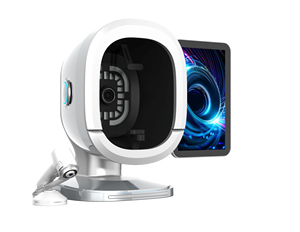
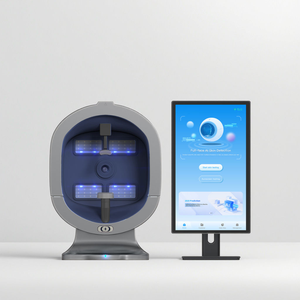
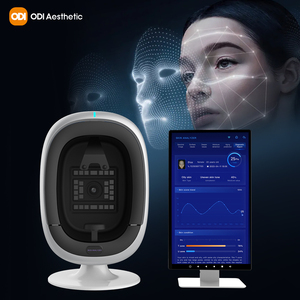
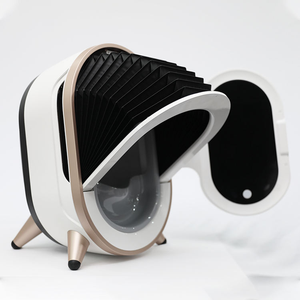
Directly sourced from top-tier OEM/ODM manufacturing lines, featuring multi-spectrum polarization, high-resolution sensor arrays, and integrated AI skin diagnostic software.



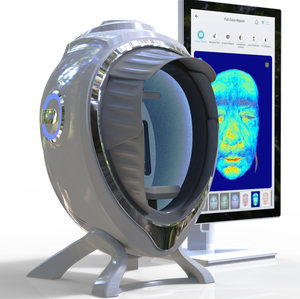
1. Industry Whitepaper: The Evolution of Polarized Light Diagnostic Imaging
In modern clinical dermatology and high-end aesthetic medicine, non-invasive skin diagnostic systems have evolved from simple magnifying lamps to complex optical instruments capable of sub-surface volumetric skin mapping. At the core of this technological leap is polarized light diagnostic technology. Sourcing directors, OEM buyers, and aesthetic clinic chains globally face a critical challenge: selecting diagnostic hardware suppliers that offer true medical-grade optical components, validated algorithm precision, and long-term hardware reliability.
Unlike standard white-light photography—which is severely compromised by surface glare (specular reflection)—polarized light diagnostic systems utilize orthogonal polarization filters to decouple surface reflection from deep-tissue optical scattering. This permits dermatologists and cosmetic specialists to visualize epidermal hyperpigmentation, dermal vascular patterns, inflammatory erythema, and porphyrin activity prior to visual manifestation on the stratum corneum.
Information Gain Insight: Genuine cross-polarized diagnostic imaging requires precise alignment between the light source polarizer and the camera lens analyzer. High-end manufacturers maintain optical filter extinction ratios exceeding 1,000:1, eliminating 99.9% of specular highlights and exposing sub-dermal structures up to 2mm deep.
This whitepaper provides an exhaustive technical procurement framework for medical aesthetic equipment distributors, clinic chain procurement managers, and hospital buyers. By analyzing optical physics, manufacturer OEM competencies, ISO/CE compliance standards, and commercial ROI, this document serves as the global benchmark for sourcing top-tier polarized light skin diagnostic machines.
2. Optical Engineering Physics: Cross vs. Parallel Polarization Mechanics
Understanding how light interacts with cutaneous tissue architectures is essential when evaluating diagnostic equipment suppliers.
Parallel-Polarized Illumination
Parallel polarization aligns the light source filter with the camera analyzer filter. This amplifies surface specular reflections, making it the definitive optical mode for evaluating stratum corneum texture, pore volume, fine surface wrinkles, desquamation, and lipid film integrity.
Cross-Polarized Illumination
Cross polarization sets the camera analyzer perpendicular (90°) to the incident illumination wave. Specular surface reflections are filtered out entirely. The sensor captures backscattered photon signals from the papillary and reticular dermis, revealing melasma, dyschromia, telangiectasia, and deep inflammation.
UV / Wood's Fluorescence
Utilizing narrow-band UV illumination (typically 365nm to 395nm), specialized diagnostic systems excite fluorophores within cutaneous lipids and metabolic byproducts. This exposes Propionibacterium acnes porphyrins, latent hyperpigmentation, and altered glycosaminoglycans.
| Diagnostic Illumination Spectrum | Optical Mechanism | Target Clinical Biomarkers | Depth of Tissue Mapping |
|---|---|---|---|
| True Daylight (Standard RGB) | Diffuse unpolarized white LED lighting | Overall tone, natural skin color, macro lesions | Epidermis (Surface Layer) |
| Parallel Polarized Light | Specular wave reflection enhancement | Skin roughness, fine line depth, pore expansion, sebum excess | Stratum Corneum (<0.05mm) |
| Cross Polarized Light | Surface reflection suppression via 90° attenuation | Sub-surface melasma, dermal spots, spider veins, rosacea | Epidermal-Dermal Junction (0.1–0.5mm) |
| UV Fluorescence (365nm) | Narrow-band excitation of cutaneous fluorophores | Acne porphyrins, plugged pores, sun damage, deep pigment deposits | Mid Dermis (Up to 1.5mm) |
| Cross-Polarized Red Spectrum | Hemoglobin absorption wavelength isolation | Vascular networks, erythema intensity, post-acne redness | Papillary Dermis (0.2–0.8mm) |
3. Top 10 Polarized Light Skin Diagnostic Machine Suppliers & Selection Framework
A definitive benchmark evaluating global diagnostic hardware factories across engineering quality, optical accuracy, cloud integration, and OEM/ODM responsiveness.
1. Sylton / Innofaith (Observ Series)
HQ: Netherlands / Global
Renowned as the pioneer in multispectral clinical skin diagnosis. Flagship models such as the Observ 520x utilize 10+ optical modes. Known for exceptional linear polarization filters, standardized client positioning, and Sylton Connect software integration.
2. Canfield Scientific (VISIA Systems)
HQ: United States
Industry standard in clinical trials and pharmaceutical skin research. Integrates RBX technology for subsurface vascular and pigment separation. Premium tier pricing targeting high-end clinical dermatology centers.
3. DJM Medical Instrument
HQ: Germany / China
Specializes in IoT-enabled smart skin diagnostic stations. Combines cross-polarized imaging with cloud-based AI algorithms for automated dermatological report generation.
4. Courage + Khazaka Electronic
HQ: Germany
The gold standard in quantitative scientific skin analysis hardware. Produces highly specialized probe-integrated polarizers used by cosmetic R&D laboratories globally.
5. Meicet (Radiancy Group)
HQ: China
A global leader in OEM/ODM manufacturing of 3D facial skin diagnostic machines. Offers high-resolution 36MP optical sensors, multi-spectrum polarization, and highly customisable software interfaces.
6. Bomtech Electronics
HQ: South Korea
Prominent manufacturer of compact, high-precision skin and scalp diagnostic cameras featuring integrated polarized lenses and mobile software support.
7. Chowis Co., Ltd.
HQ: South Korea
Innovative developer of mobile and desktop optical skin analysis hardware driven by advanced AI algorithms, serving cosmetic retail brands and aesthetic clinics.
8. Spectrum Science Beauty
HQ: Australia
Provides robust medical aesthetic diagnostic platforms engineered specifically for clinical compliance, multi-layer pigment mapping, and treatment progression tracking.
9. Solta Medical & Diagnostic Technologies
HQ: United States
Focuses on high-end clinical diagnostic hardware integrated directly into laser therapy suites, providing real-time pre- and post-treatment vascular monitoring.
10. Zemits Aesthetic System
HQ: United States / Europe
Delivers versatile skin analysis systems for medspas, featuring cross-polarized light filters, moisture mapping sensors, and user-friendly consultation software.
4. OEM/ODM Factory Evaluation Criteria: Ensuring Medical-Grade Precision
Selecting an optical diagnostic device manufacturer requires rigorous auditing beyond basic price points. When evaluating factories for private labeling or regional distribution, verify the following core competencies:
Optical Calibration & Filter Extinction
Factory optical assembly lines must utilize class-10,000 cleanrooms for polarizer installation. Polarization filters must be calibrated for zero optical distortion and guaranteed extinction ratios (>99.5% glare reduction) across multi-year operating lifespans.
CMOS Sensor & Lens Alignment
Low-grade diagnostic machines suffer from peripheral optical vignetting and chromatic aberration. Tier-1 suppliers specify industrial-grade CMOS camera sensors (24MP to 36MP+) coupled with custom high-resolving power optical lenses.
ISO 13485 & Global Compliance
Medical-grade factories must operate under ISO 13485 quality management systems. Diagnostic equipment must carry CE Medical (MDR), FDA 510(k) clearance, or equivalent regional medical device registrations for non-invasive optical analyzers.
AI Algorithm SDK & API Integration
Hardware is only half the solution. Reliable suppliers offer robust software development kits (SDKs), allowing distributors to localize diagnostic software, integrate cloud patient management platforms, and white-label mobile applications.
Standardized Patient Positioning
To produce valid before-and-after comparison images, skin diagnostic hardware must maintain strict spatial repeat-positioning. Quality factories engineer ergonomic chin rests, fixed focal distances, and controlled ambient light shields.
After-Sales Technical Service & Warranty
Diagnostic LED illumination arrays degrade over time if uncooled. Quality suppliers design active heat sinking for LED modules and back their equipment with comprehensive 3 to 5-year warranties and global spare part replacement networks.
5. Future Trends in Polarized Skin Diagnostics (2025–2030)
The global market for advanced skin diagnostics is undergoing rapid structural transformation. Buyers and clinic operators must align their hardware procurement strategies with the following emerging technological vectors:
1. Hyperspectral Imaging Integration
Future polarization machines are transitioning from discrete multispectral channels (8-10 wavelengths) to continuous hyperspectral sensors. This enables real-time spectral unmixing of tissue chromophores, precisely quantifying dermal melanin versus oxidized hemoglobin in real-time.
2. AI-Driven Predictive Aging & Treatment Simulation
Generative neural networks trained on millions of cross-polarized skin scans are transforming consultation workflows. Modern software engines can accurately simulate 3-year, 5-year, and 10-year skin aging trajectories with or without clinical intervention.
3. 3D Volumetric Topography Mapping
Combining cross-polarized color channels with structured light projection enables simultaneous 3D facial volumetric reconstruction. Clinics can measure wrinkle volume in cubic millimeters and track facial volume restoration post-filler injection.
6. Sourcing & Technical Procurement FAQ
Critical technical answers for equipment buyers, hospital procurement officers, and medspa distributors.
Q1: How does cross-polarized light differentiate deep melasma from superficial freckles?
Superficial freckles (ephelides) reside primarily in the basal layer of the epidermis, reflecting light under both standard white and parallel-polarized modes. Melasma and deep dermal pigment scatter light in deeper cutaneous layers. Cross-polarized light blocks surface glare, allowing the sensor to capture unreflected, scattered light from deep melanin deposits, highlighting melasma boundaries invisible under normal lighting.
Q2: Why is light polarization superior to standard high-resolution digital cameras for skin analysis?
Standard cameras—regardless of megapixel count—capture intense surface reflections caused by the skin's natural lipid film. This specular reflection obscures subsurface vascular networks, early inflammation, and dermal pigmentation. Polarized light physically isolates surface specular reflection from subsurface diffuse scattering, providing true tissue visualization.
Q3: What OEM customization options can buyers request from diagnostic equipment suppliers?
Tier-1 factories offer full OEM/ODM customization including: custom optical spectrum filters (e.g. customized narrow-band UV), specialized camera sensors, branded exterior casing designs, custom software GUI/UX localizations, cloud API integration for practice management software, and white-labeled patient diagnostic reports.
Q4: How often do the optical polarizers and LED illumination modules require recalibration?
Industrial-grade LED light engines maintain stable output for over 50,000 operational hours. High-quality linear polarizers do not degrade under standard clinic operating temperatures. However, factories recommend annual optical white-balance and intensity calibration using standardized reflectance targets to maintain clinical trial documentation compliance.
Q5: What is the typical ROI timeline for an aesthetic clinic investing in a multispectral skin analyzer?
Clinical data shows that incorporating visual polarized skin consultations increases patient treatment plan acceptance rates by 35% to 60%. Most aesthetic clinics report complete equipment cost payback within 45 to 90 days through increased sales of corrective laser therapy, chemical peels, and targeted medical skincares.
Partner with Leading Polarized Skin Diagnostic Manufacturers
Looking to source high-precision multispectral skin analyzers, expand your distribution portfolio, or initiate a custom OEM/ODM hardware program? Contact our technical engineering team for factory specs, wholesale price lists, and demonstration units.