Featured Diagnostic Systems & Sourcing Options
Explore enterprise-grade spectrum skin cameras engineered for dermatology clinics, aesthetic chains, and global OEM partnerships.
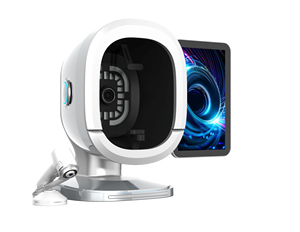

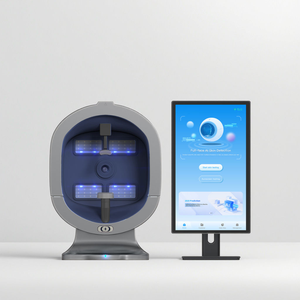

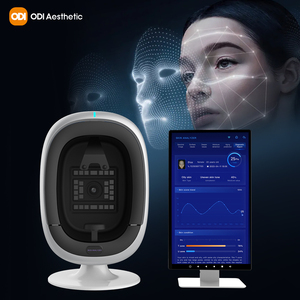
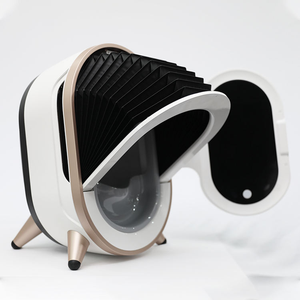
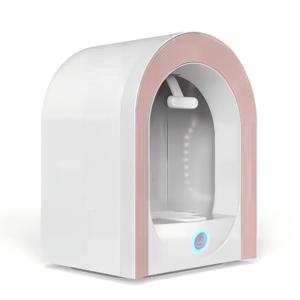
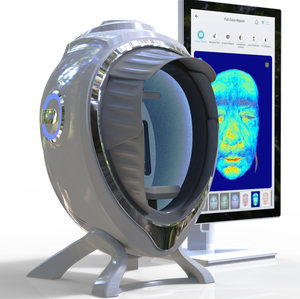
Executive Summary: The Evolution of Multi-Spectral Skin Imaging
In modern cosmetic dermatology, aesthetic medicine, and clinical skin research, diagnostic precision forms the cornerstone of treatment success and patient trust. Spectrum skin diagnostic cameras have evolved from simple magnifying lights to complex optical-electronic instruments capable of non-invasively mapping epidermal and dermal chromophores in seconds. By utilizing distinct light spectrums—including RGB daylight, cross-polarized light, parallel-polarized light, UV illumination (365nm), and Wood’s light—these devices expose sub-surface vascular structures, deep-seated melasma, porphyrin concentrations, and structural elasticity loss long before they become visible to the naked human eye.
For B2B buyers, medical device distributors, aesthetic chain managers, and OEM/ODM procurement officers, navigating the global manufacturer landscape requires balancing optical sensor resolution, algorithm calibration accuracy, regulatory compliance (ISO 13485, CE, FDA), software integration, and manufacturing scalability. This whitepaper offers an exhaustive analysis of the market's leading manufacturers and factories, evaluating technology architectures, diagnostic capabilities, and key procurement trends through 2030.
Information Gain Insight: Unlike standard visual assessment, multi-spectral skin cameras eliminate specular reflection through cross-polarization filtering, allowing dermatologists to measure hemoglobin distribution (erythema/rosacea) and melanin concentration independently. Purchasing managers must prioritize systems equipped with calibrated cross-polarized linear filters over unpolarized RGB-only optical systems.
Technical Deep-Dive: Multi-Spectral Imaging Physics
To evaluate a skin diagnostic camera factory, procurement teams must understand the optical technology underlying multi-spectral skin analysis. A high-performance camera does not rely on digital filters or software color shifts; it utilizes physically distinct LED arrays and optical polarizing elements to capture specific cutaneous physics.
RGB Standard Daylight
Provides standardized clinical baseline imaging under color-calibrated 6500K white light. Essential for documenting surface visual appearance, fine lines, skin tone uniformity, and macroscopic lesion boundaries.
Cross-Polarized Lighting
Cancels specular reflection (surface shine) from the stratum corneum. Light penetrates into the papillary dermis to illuminate subterranean vascular structures, telangiectasia, erythema, inflammation, and subsurface red zones.
Parallel-Polarized Lighting
Enhances surface specular reflections to isolate fine micro-relief, pore architecture, fine wrinkles, desquamation, and textural roughness without deep tissue scattering interfering with the signal.
UV Peak Illumination (365nm)
Excites natural fluorophores within the skin. Triggers orange/yellow fluorescence in Propionibacterium acnes porphyrins, reveals hyperpigmentation, epidermal melasma, and damaged sun spots invisible under daylight.
Wood's Light Emulation
Emulates clinical Wood's lamp filtration to differentiate between epidermal and dermal pigmentation depth. Enables precise pre-treatment planning for laser or chemical peel therapies.
3D Topometry & Surface Mapping
Utilizes structured light projection to construct 3D quantitative depth maps of wrinkles, acne scars, and pore volume, allowing precise volumetric progression tracking post-treatment.
Top 10 Spectrum Skin Diagnostic Camera Manufacturers & Factories
The global market for professional skin diagnostic hardware features both high-end clinical imaging innovators and high-capacity manufacturing facilities offering customizable OEM/ODM solutions. Below is a structured benchmark comparison of the industry’s premier 10 manufacturers.
| Manufacturer / Brand | Origin | Camera Resolution | Spectral Spectrum Count | Target Segment | OEM/ODM Service |
|---|---|---|---|---|---|
| Sylton / Observ (Innofaith) | Netherlands / Global | Ultra HD Multi-Angle | 10+ Illumination Modes | Clinical Dermatology / Aesthetic Med | Custom Enterprise SDK |
| Canfield Scientific (VISIA) | USA | 24MP Custom Sensor | 8 Spectrums | Research Hospitals / Premium Medspas | Limited / Proprietary |
| Meicet (Shanghai Lumispot) | China | 36MP HD Sensor | 8-10 Spectrums | Beauty Chains & Aesthetic Centers | Full OEM/ODM Ready |
| QuantifiCare | France | 3D Stereo Sensor | Multispectral 3D | Plastic Surgery & Clinical Trials | Custom Hardware SDK |
| DJM Medical | Germany / China | 20MP HD | 6-8 Spectrums | Medi-Spas & Dermatology Labs | OEM Available |
| Bomtech Electronics | South Korea | 16MP Sensor | 4-6 Spectrums | Skincare Franchise & Clinics | ODM / Custom Branding |
| DermaVisualizer (Courage+Khazaka) | Germany | Scientific CMOS | Multi-Wavelength Probe | Cosmetic R&D / Clinical Testing | Scientific Customization |
| AcuSkin Diagnostic Technologies | China | 28MP Matrix Sensor | 8 Spectrums | Wholesale Distributors / Salons | Full Factory OEM |
| Clarius Dermatology Optics | Canada | Handheld HD Sensor | Dual Spectrum + Micro | Mobile Consultation / Tele-Derm | White-label Licensing |
| Zemits Scientific | USA | 20MP Sensor | 5 Spectrums | Aesthetic Practices & Spas | Standard Distribution |
In-Depth Analysis of Leading Industry Factories
1. Sylton (Observ Platform)
Specialization: Multispectral Clinical AccuracyOverview: Sylton's Observ series (including Observ 520x and Observ 320) sets the global standard for non-invasive multispectral facial imaging. Engineered with precise optical positioning technology, Sylton devices utilize patented polarimetric filtration and 10 light modes to deliver verifiable evidence for cosmetic dermatologists and aesthetic clinics worldwide.
Key Strengths: Repeatable patient positioning, seamless software ecosystem (Sylton Connect), peer-reviewed clinical validation, superior daylight and UV separation.
2. Canfield Scientific
Specialization: Clinical Trials & ResearchOverview: Pioneer of the VISIA system, Canfield is a dominant force in academic research institutions and high-end dermatological practices. Their multi-spectral diagnostic booth captures RBX technology data for melanin and vascular mapping.
Key Strengths: Massive percentile database for age-matched skin comparison, extensive clinical trial validation, high brand recognition.
3. Meicet & High-Tech Manufacturing Ecosystems
Specialization: Ultra-High Resolution & Enterprise OEMOverview: Operating massive ISO 13485-certified manufacturing plants, leading Asian OEMs produce 36MP+ high-resolution diagnostic scanners equipped with AI deep-learning algorithms. They power dozens of white-label diagnostic brands across North America and Europe.
Key Strengths: Flexible SDK integration, rapid prototyping, highly competitive cost-to-performance ratio, 3D volumetric skin rendering.
4. QuantifiCare
Specialization: 3D Volumetric & Aesthetic SurgeryOverview: QuantifiCare excels in 3D facial imaging and volumetric change analysis. Designed primarily for plastic surgeons and aesthetic injectors, their cameras measure contour changes, volume loss, and surface pigment in a single capture.
Key Strengths: Precise volumetric measurements for dermal fillers, portable hand-held 3D diagnostic technology.
Future Procurement & Technology Development Trends (2025–2030)
As aesthetic clinics transition from qualitative skin assessment to data-driven diagnostic ecosystems, enterprise buyers must align their procurement strategies with emerging technical shifts. Buying legacy hardware today risks rapid obsolescence as AI and cloud architecture reshape the industry.
1. AI-Driven Quantitative Biomarker Scoring
Future diagnostic cameras move beyond raw imagery to deliver automated, AI-quantified risk scores for melasma recurrence, collagen degradation, and barrier impairment. Machine learning models trained on millions of clinical images provide objective severity grading.
2. Cloud-Synced Multi-Clinic Ecosystems
Large aesthetic clinic chains require centralized patient databases. Modern manufacturers offer HIPAA/GDPR-compliant cloud synchronization, allowing practitioners to access patient skin imaging timelines across any franchise location in real time.
3. Ultra-High Resolution (36MP – 50MP) Sensors
Optical sensor resolution is rapidly scaling. Modern 36MP+ camera arrays allow sub-pixel magnification down to the individual pore and micro-capillary level, giving clinicians granular clarity without optical distortion.
4. Direct EBD & Energy Device Integration
Procurement teams are seeking diagnostic hardware that directly communicates with IPL, picosecond laser, and RF microneedling platforms. Smart cameras will automatically export optimal energy parameter suggestions based on spectrally measured melanin indices.
5. Compact & Ergonomic Modular Architecture
While massive desktop booths remain popular in clinical research, clinic space constraints are driving demand for compact, modular, and portable skin diagnostic platforms with integrated touchscreen control units.
6. Extended Diagnostic Coverage (Hands & Décolleté)
Skin aging extends beyond the facial zone. Leading manufacturers are introducing modular extension kits and multi-axis camera mounts to standardize skin imaging for the hands, neck, and décolleté area.
Enterprise OEM/ODM Manufacturing & Factory Capabilities
For distributors, skincare brands, and equipment importers seeking white-label or custom-designed spectrum skin cameras, evaluating the factory's production capabilities and quality management infrastructure is essential.
ISO 13485 Cleanroom Production
Top-tier diagnostic camera factories maintain Class 100,000 dust-free cleanrooms for optical lens assembly, sensor calibration, and polarimetric filter alignment, ensuring long-term hardware reliability.
Global Regulatory Compliance
Factory products are fully certified with CE Medical, FDA registration, RoHS, and FCC compliance, permitting legal distribution and seamless customs clearance across EU, US, and Asia-Pacific markets.
Software SDK & Algorithm Customization
Enterprise factories provide comprehensive API/SDK packages, enabling B2B clients to integrate proprietary AI skin scoring algorithms, custom brand UI skins, and tailored product recommendation engines.
Factory Quality Control Protocol: Premium manufacturers subject every skin analyzer camera to a 72-hour aging test, optical color balance calibration using standard X-Rite color checkers, and multi-axis drop tests prior to bulk shipment.
B2B Sourcing Frequently Asked Questions (FAQ)
Answers to common technical, optical, and logistical inquiries from enterprise buyers and medical equipment distributors.
Unpolarized RGB light reflects primarily off the stratum corneum (outermost skin layer), causing glare and specular reflections that mask underlying pigments. Cross-polarized imaging utilizes orthogonal linear polarizers over the light source and camera lens, blocking surface reflection to reveal dermal hemoglobin, subsurface melasma, and micro-vascular networks.
UV light at 365nm induces autofluorescence in cutaneous fluorophores. It causes P. acnes bacteria metabolites (porphyrins) to fluoresce orange/yellow and highlights epidermal melanin contrast, allowing early detection of solar lentigines and UV damage prior to visual manifestation.
Yes. Leading OEM manufacturers provide full white-label software customization. Cosmetic companies can embed their own product portfolios, configure automated ingredient matching rules based on diagnostic skin scores, and apply custom branding interfaces.
Standard white-label logo customization on hardware chassis usually requires an MOQ of 10 to 50 units. Deep OEM customization—including custom industrial mold design, proprietary optical filter integration, or unique housing colors—typically starts at 100+ units.
Professional cameras utilize standardized chin/forehead rests to fix focal distance, combined with color-calibrated LED flash arrays and fixed camera exposure settings. This ensures that lighting intensity, angle, and white balance remain identical across multi-month treatment intervals.
Distributors should negotiate a minimum 2 to 5-year hardware warranty, with guaranteed spare parts availability (LED illumination boards, optical sensors) for at least 7 years. Additionally, factory SLA should include fast-response firmware updates and cloud server uptime guarantees.
Accelerate Your Skin Diagnostic Hardware Sourcing
Connect directly with certified spectrum skin camera engineering teams. Receive comprehensive factory specifications, OEM price brackets, and custom software integration kits.
Get a Quote