Featured Clinical Skin Diagnostic Analyzers
Direct factory-engineered facial imaging machines designed for dermatology clinics, aesthetic medspas, and cosmetic brands. Featuring multispectral lighting, high-resolution sensors, and clinical diagnostic software.
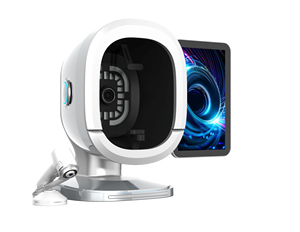
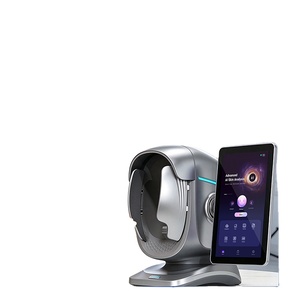
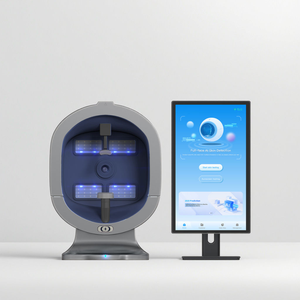
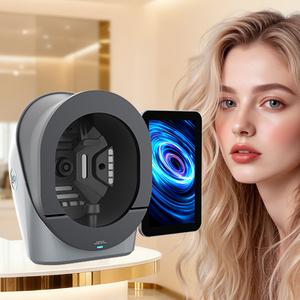
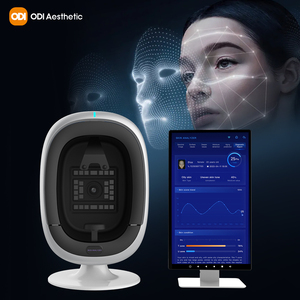
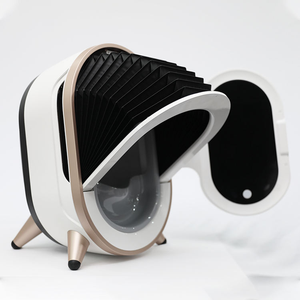
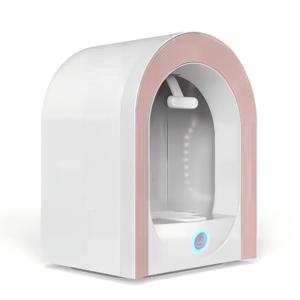
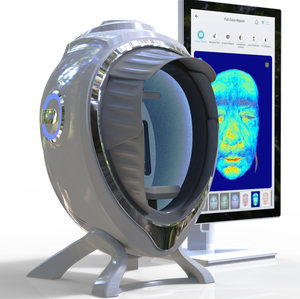
Executive Summary: The Paradigm Shift in Clinical Facial Diagnostics
In the modern ecosystem of cosmetic dermatology, plastic surgery consultation, and advanced medical aesthetics, visual documentation has evolved from a supplementary sales tool into an indispensable clinical foundation. Professional medical aesthetics practices rely on multispectral facial imaging devices to unveil sub-surface dermatological conditions that remain completely invisible under ambient daylight. By capturing micro-vascular structures, sub-epidermal melanin distribution, porphyrin concentrations, and subtle structural changes, clinical facial scanners provide practitioners with objective, repeatable data.
As global B2B procurement managers, clinical directors, and equipment distributors evaluate manufacturing partners, choosing a validated facial imaging device OEM/exporter requires analyzing optical engineering rigor, software algorithmic stability, sensor resolution, and long-term regulatory compliance. Leading manufacturers—such as Sylton with the Observ 520x and Observ 320 lines—have established benchmark standards in multispectral optics, enabling clinicians worldwide to bridge the gap between preliminary visual evaluation and evidence-based aesthetic treatment protocols.
The Technical Anatomy of Clinical Multispectral Light Modalities
Clinical skin diagnostic systems operate by manipulating the polarization state, angle, and wavelength spectrum of light projected onto human facial tissue. Standard ambient lighting reflects predominantly off the stratum corneum, masking underlying pathological and structural changes. Advanced facial scanners utilize specific optical modes to penetrate distinct skin depths:
Daylight & Parallel-Polarized Light
Simulates natural, standardized daylight conditions while parallel polarization enhances surface topography contrast. Essential for mapping micro-relief, pore dimensions, fine lines, and dehydration patterns across the epidermis.
Cross-Polarized Light Modality
Eliminates specular surface glare from sebum and perspiration. Allows unhindered optical inspection of the mid-to-deep dermal layers, revealing vascular networks, erythema, rosacea, telangiectasia, and subdermal inflammation.
UV Fluorescence & Wood's Light
Utilizes low-dose 365nm UVA illumination to excite fluorophores in dermal components. Triggers distinct fluorescence for P. acnes porphyrins (orange/red), sebum output (yellow), and deep melasma deposits (darkened contrast).
Global Procurement Trends & Future Outlook (2025–2030)
The market for clinical facial imaging hardware is undergoing rapid technical evolution. B2B importers, hospital procurement officers, and medspa network purchasers must align their sourcing strategies with several key macro trends driving the industry forward:
1. Deep Learning & Predictive AI Diagnostics
Modern facial scanners no longer rely on simple visual capture; they integrate deep learning convolutional neural networks (CNNs) trained on millions of dermatological images. Systems auto-quantify wrinkle depth, pore density, and dyschromia progression against age-matched demographic baselines, offering predictive simulations of untreated aging versus post-treatment outcomes.
2. Seamless Cloud & EHR Integration
Enterprise buyers prioritize devices with HIPAA-compliant cloud connectivity and API/SDK capabilities. Platforms like Sylton Connect facilitate multi-room synchronization, allowing practitioners to initiate skin capture in examination rooms and seamlessly review diagnostic dashboards on consultation tablets or central electronic health record (EHR) systems.
3. Beyond-Face Anatomic Scanning
Clinical scope is expanding beyond facial contours. Sourcing demand has surged for extension kits and articulated mobile stands capable of capturing high-precision multispectral images of the neck, décolleté, and dorsal hands—areas increasingly targeted by anti-aging non-surgical interventions.
Technical Matrix: Evaluating Clinical Facial Imaging Specifications
When procuring clinical facial imaging devices from export manufacturers, technical specifications directly determine diagnostic fidelity, long-term operational consistency, and clinic workflow efficiency. The following comparison highlights key benchmarks required for clinical-grade performance:
| Diagnostic Parameter | Standard Salon Analyzer | Clinical-Grade Facial Analyzer (e.g. Observ 520x) | B2B Procurement Benchmark Value |
|---|---|---|---|
| Optical Sensor Resolution | 12 MP - 16 MP CMOS | 24 MP - 36 MP Ultra HD Sensor | ≥ 24 MP for sub-pixel pore micro-structuring |
| Spectral Illumination Modes | 3 Modes (RGB, UV, Polarized) | 8 to 10+ Precision Optical Modes | Includes Cross/Parallel Polarization & Wood's Light |
| Head Positioning Rigidity | Manual chin rest, high ambient light interference | Ergonomic 5-point alignment canopy shield | Total ambient light exclusion for repeatable baseline capture |
| Diagnostic Software & Cloud | Local standalone app, fixed reporting | Sylton Connect / Cloud EHR API Integration | Multi-device client management & progress matching |
| Regulatory & Quality Assurance | Basic CE Mark | ISO 13485, Medical CE, FDA Compliant Factory | Mandatory for international medical export compliance |
Enterprise Manufacturing Strengths & OEM/ODM Capabilities
Our manufacturing facility operates at the intersection of optoelectronic innovation, precision engineering, and rigorous clinical validation. With decades of dedicated research and development in multispectral skin diagnostics, we deliver end-to-end OEM and ODM manufacturing solutions for global distributor networks, pharmaceutical conglomerates, and aesthetic device brands.
ISO 13485 Cleanroom Assembly
All optical lenses, spectral filter wheels, and CMOS sensor assemblies are built inside Class 10,000 dust-free cleanrooms. This prevents micro-particulate contamination on internal optical paths, ensuring absolute clarity across years of continuous clinical operation.
Full White-Label & Software SDK
We offer comprehensive OEM brand customization, including custom chassis colors, laser-etched factory branding, localized multi-language UI software, and open API/SDK documentation for direct practice management integration.
Global After-Sales & Training
Supported by an international dealer and technical support network in over 60 countries. We provide online optical calibration tools, comprehensive technical training manuals, and fast-track spare part distribution for global exporters.
Frequently Asked Questions (B2B Procurement & Technical FAQ)
Detailed answers to critical procurement, technical calibration, and operational questions for equipment distributors, buyers, and clinic directors.
Partner with a Leading Clinical Facial Imaging Manufacturer
Elevate your clinic's diagnostic precision or expand your distribution portfolio with our clinical multispectral facial skin analyzers. Contact our technical B2B team today for factory-direct quotes, OEM/ODM customization, and sample evaluations.