Commercial-Grade Diagnostic Systems & Analysis Stations
Explore our clinical-grade skin analyzers designed for dermatologists, plastic surgery centers, medspas, and aesthetic franchises.
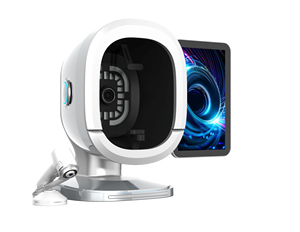
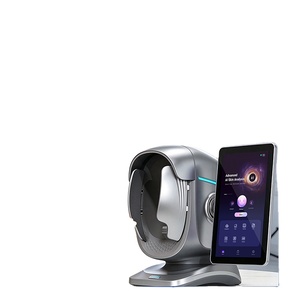
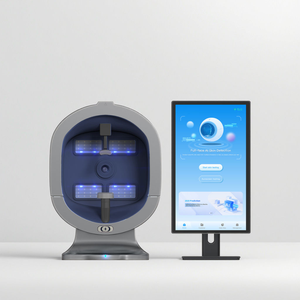
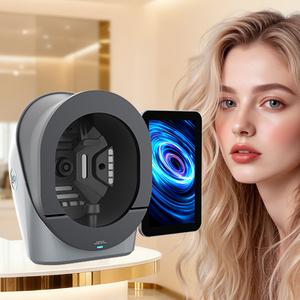
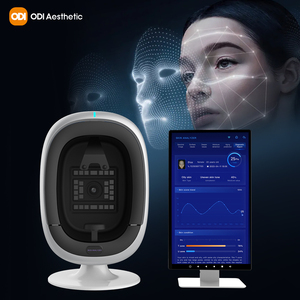
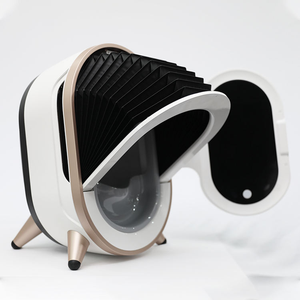
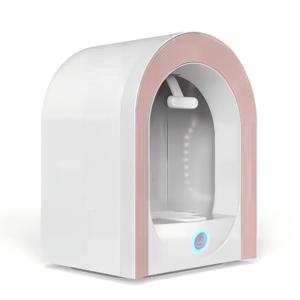
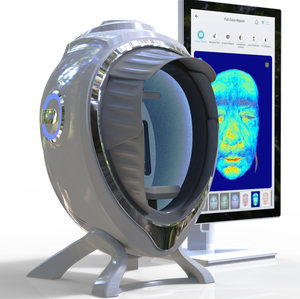
Commercial Skin Diagnostic Stations: Technical Architecture & B2B Procurement Industry Whitepaper
In modern aesthetic medicine, cosmetic dermatology, and high-end clinical skincare franchising, the transition from subjective tactile evaluations to objective, data-driven imaging metrics represents the single most vital operational evolution of the decade. As a leading manufacturer and direct global exporter of Commercial Skin Analysis Stations, our mission is to redefine how skin health is measured, mapped, quantified, and monetized.
To establish competitive differentiation in saturated regional aesthetic markets, medical clinics require more than surface-level optical cameras. Commercial diagnostic stations integrate deep multispectral imaging (RGB natural daylight, UV fluorescence, cross-polarized light, parallel-polarized light, and Wood's light illumination) to penetrate sub-dermal layers up to 2.5mm beneath the stratum corneum. This allows practitioners to detect early-stage melasma, hidden UV photodamage, porphyrin bacterial concentrations, micro-vascular telangiectasia, and structural collagen degradation long before they manifest on the skin surface.
From an enterprise procurement perspective, implementing a state-of-the-art diagnostic imaging station yields measurable commercial dividends. Clinical data shows that integrating visual diagnostic evidence into initial patient consultations increases treatment proposal conversion rates by 38% to 54% while accelerating high-ticket skincare regimen package upgrades.
Multispectral Optical Engineering & Deep AI Algorithmic Processing
The core technological value of a commercial skin analyzer lies within its optical camera housing and algorithm engine. Inferior consumer skin diagnostic units frequently suffer from uneven LED illumination, chromatic aberration, low sensor dynamic range, and uncalibrated ambient light interference. OEM/ODM medical-grade stations address these optical hurdles through standardized hardware configurations:
1. Cross-Polarized Illumination
By filtering out specular surface reflection, cross-polarized light isolates sub-surface dermal structures, exposing erythema, vascular inflammation, rosacea, spider veins, and deep dermal pigmentation that would otherwise remain hidden under bright daylight illumination.
2. UV & Wood’s Light Diagnostics
Utilizing high-purity 365nm UV LED arrays, the station induces fluorescence in P. acnes bacteria porphyrins (glowing bright orange/red) and highlights epidermal melanin concentration, acne scarring depth, and localized dyschromia with absolute precision.
3. 3D Volumetric Topography
By capturing multiple spatial angles simultaneously, advanced 3D volumetric software renders high-resolution contour heatmaps. This enables quantitative measurement of fine line wrinkle depth, pore diameter, and skin texture roughness values (Ra, Rz metrics).
Complementing superior optical hardware is our proprietary AI algorithmic processing framework. Trained on over 10 million validated clinical dermatological image databases, the deep learning network evaluates 12 primary skin indicators within seconds:
- Epidermal & Dermal Pigmentation Index: Distinguishes superficial freckles from deep hormonal melasma.
- Pore & Texture Density Matrix: Calculates sebum clogging percentages and structural elasticity degradation.
- Moisture & Lipid Barrier Loss: Evaluates transepidermal water loss (TEWL) risk factors.
- Biological Skin Age vs Chronological Age Calculation: Provides an immediate, easy-to-understand benchmark score for patient consultations.
Comparative Analysis: Commercial Diagnostic Stations vs. Basic Scanners
To assist global procurement directors, equipment distributors, and aesthetic clinic owners in evaluating capital expenditure, the table below compares industrial-grade commercial analysis stations with entry-level portable devices.
| Evaluation Parameter | Commercial Diagnostic Station (Factory Grade) | Basic Desktop Skin Scanner |
|---|---|---|
| Optical Sensor Resolution | 36.0 Megapixels – 48.0 Megapixels HD | 8.0 MP – 12.0 MP Standard CMOS |
| Illumination Spectrum Modes | 8 to 10 Light Modes (RGB, UV, PL, Wood's, Parallel) | 2 to 3 Basic LED Lights |
| Sub-Surface Penetration Depth | Up to 2.5 mm (Deep Dermal Layer Mapping) | 0.2 mm (Epidermal Surface Only) |
| Software Architecture & Cloud | Multi-Device Sync, Unlimited Patient Cloud Storage, AI Updates | Local Storage Only, Manual File Backups |
| Customization (OEM/ODM) | Full Brand Software UI, Custom Enclosure Color & Casing Logo | Fixed Factory Branding / No Customization |
| Calibration Stability | Auto-Internal Spectrum Calibration for repeatable metrics | Manual/Uncalibrated (High light drift error) |
| Commercial Warranty & Compliance | 5-Year Commercial Warranty, CE, ISO13485, FDA Cleared | 1-Year Limited Warranty / Basic CE |
Future Procurement & Technological Trends (2025 – 2030)
As the international skincare market expands toward personalized, evidence-based treatments, commercial procurement strategies are pivoting toward next-generation diagnostic station capabilities. Key industry trends driving procurement over the next five years include:
1. Predictive AI Aging Simulation & Predictive Analytics
Modern patients demand prospective visualization before committing to high-cost cosmetic interventions (e.g., laser resurfacing, RF microneedling, structural dermal fillers). Advanced diagnostic stations incorporate generative predictive algorithms that project skin aging trajectories 3 to 5 years into the future—or model the exact visual therapeutic outcome of targeted treatment protocols.
2. Seamless EMR/EHR System Integration
Enterprise medspa chains and dermatological hospitals require frictionless software interoperability. Modern stations utilize RESTful APIs and cloud architecture to sync patient diagnostic profiles, baseline comparative images, and therapeutic histories straight into Electronic Health Records (EHR) systems without manual data re-entry.
3. Multispectral Hydration & Sebum Tracking Sensors
Beyond optical imaging, upcoming commercial diagnostic stations combine optical polarization with non-contact bio-impedance sensors to measure moisture retention across different facial zones in real time, delivering a 360-degree diagnostic report.
4. AI Skincare Product & Treatment Matching Engine
By mapping detected skin deficiencies against a clinic’s specific product inventory or medical laser portfolio, the diagnostic station automatically generates automated, personalized treatment plans—serving as an objective sales assistant during patient consultations.
Why Global Distributors & Brands Choose Our Manufacturing Plant
As an established factory direct supplier and exporter, our production infrastructure is specifically optimized for high-capacity OEM/ODM partnerships, regional medical equipment suppliers, and global skincare brand customization.
Operated under strict medical device quality management standards. Every optical assembly undergoes 100% burn-in testing, light intensity calibration, and high-precision sensor alignment prior to export packaging.
From custom industrial enclosure design, stand colorways, and silk-screened brand logos to custom software UI color palettes, localized language translations, and custom PDF report headers.
Exporting to 60+ countries with CE, RoHS, and FDA compliance documentation. Secure shock-resistant flight-case packaging ensures zero-damage international air and ocean freight shipments.
Commercial Procurement FAQ: Technical, Operational & Logistics
Standard photography only captures surface illumination reflected off the outermost epidermal layer (stratum corneum). Multispectral imaging uses controlled wavelengths (including cross-polarized filters and 365nm UV light) to selectively bypass surface glares. This exposes sub-dermal melanin distribution, vascular inflammation, bacterial porphyrins, and structural damage invisible under ordinary daylight, allowing for early clinical prevention.
Integrating a commercial skin analysis station transforms consultation dynamics from subjective opinion to visual objective proof. Clinics report a 35%+ increase in treatment plan acceptance rates because patients can visibly see sub-dermal damage. Furthermore, standardized before-and-after image comparisons validate treatment efficacy, boosting patient retention, recurring package sales, and high-end home-care regimen purchases.
Yes! As a direct manufacturer, we offer complete OEM software customization. We can embed your logo, corporate color schemes, localized language interface, and pre-program your specific skincare products and treatment protocols into the AI recommendation engine. Printed and digital diagnostic PDF reports will reflect your clinic branding.
Standard factory-branded units ship within 3 to 5 business days. For customized OEM/ODM orders (including custom casing colors, software rebranding, and specialized packaging), production lead times typically range from 14 to 21 business days. All shipments are packed in reinforced, vibration-tested flight cases designed for international transport.
Our diagnostic stations operate on a secure cloud architecture that supports over-the-air (OTA) software updates, algorithm enhancements, and automatic encrypted cloud data backups. We offer 24/7 technical support, comprehensive video training modules, and dedicated engineering assistance for global distributors and franchise clients.
All diagnostic systems manufactured in our facility comply with international safety standards, carrying CE, RoHS, ISO13485 certification, and FDA device registration compliance for medical and professional aesthetic equipment exports worldwide.
Accelerate Your Aesthetic Business With Precision Diagnostics
Partner directly with the leading manufacturer and exporter. Request complete technical specification sheets, wholesale pricing tiers, and OEM integration details today.