Commercial & Clinical Skin Diagnostics Hardware
Explore our flagship quantitative skin analyzer systems engineered for cosmetic dermatology clinics, aesthetic medicine centers, and international distributors.
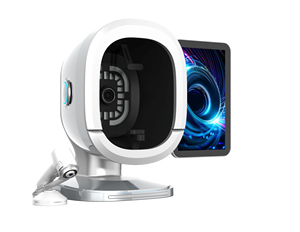
Portable 2025 Smart 3D Skin Analyzer Machine AI Face Skin Diagnostics Facial Scanner
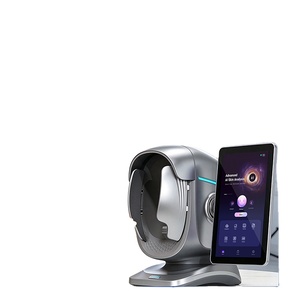
AI Skin Analyzer 7-Inch Touchscreen Facial Scanner 36MP Camera 5-Year Warranty System
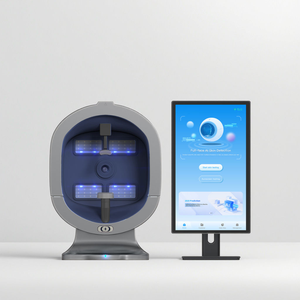
X5 Pro Skin Analyzer for Beauty Salon Moisture Wrinkles Acne 8 Spectrum Detector
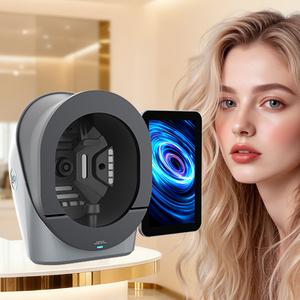
2025 New Arrivals Skin Analyzer Facial Scanning Device for Pigmentation & Acne Analysis
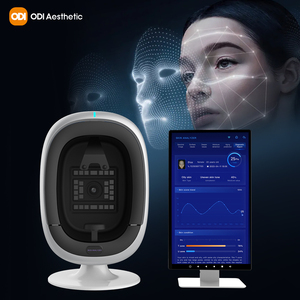
2025 Digital Skin Analysis 3D Face Pigmentation Skin Tester Diagnostic Machine
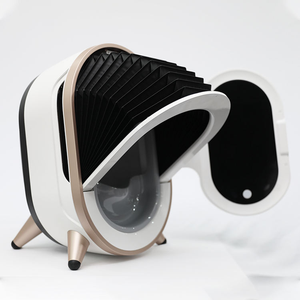
Beauty Salon Equipment Supplies Moisture Test Facial Scanner 3D Smart Magic Mirror
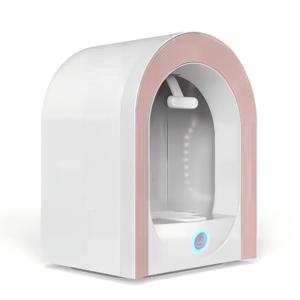
Professional AI Facial Skin Analyzer 3D Digital Detector Melasma Spectrum Analyzer
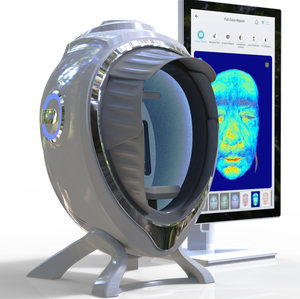
Wholesale Full Face Skin Analyzer Machine Professional Detector for Freckles & Deep Melanin
Executive Whitepaper: The Evolution of Quantitative Skin Analysis Systems
In modern aesthetic medicine, cosmetic dermatology, and high-end med-spas, the transition from subjective visual inspection to objective, quantitative spectral skin analysis represents a paradigm shift. Historical diagnostic modalities relied primarily on standardized digital photography under white light or simple Wood's lamp examination. However, subsurface pathologies—such as deep dermal melasma, vascular erythema, porphyrin concentrations from Cutibacterium acnes, and early-stage collagen breakdown—remain entirely invisible under ambient spectrum lighting.
As a global pioneer and dedicated OEM/ODM factory exporter of advanced facial analysis platforms, our optical engineering teams synthesize multispectral imaging hardware with deep-learning AI algorithms. By capturing facial topographies under cross-polarized light, parallel-polarized light, ultraviolet (365nm) illumination, Wood's light, and true daylight spectrums, modern quantitative skin analysis systems provide micro-level diagnostic metrics. This level of factual transparency enables clinicians to convert initial consultations into evidence-backed treatment plans while increasing long-term patient retention.
Multispectral Diagnostic Modalities Explained
Cross-Polarized Subsurface Mapping
Eliminates specular surface glare from sebum and moisture, revealing dermal erythema, underlying capillary distension, rosacea, and subsurface melanin deposits impossible to detect with unpolarized cameras.
UV Fluorescence & Porphyrin Mapping
Employs safe 365nm UV emission to stimulate fluorescence of follicular bacterial porphyrins, active acne lesions, dyschromia, dysplastic nevus borders, and hidden solar elastosis.
Parallel-Polarized Surface Relief
Enhances specular reflections to visually map fine lines, wrinkle depth index (WDI), pore dilation, skin texture roughness, and stratum corneum desquamation state.
Why Global Aesthetic Brands Partner With Our Factory
As a top-tier quantitative skin analysis system factory and exporter, our facility operates in strict adherence to ISO 13485 medical device quality management systems and CE compliance frameworks. Combining hardware production lines, optical lens assembly labs, and proprietary AI engine software development teams under one roof, we offer comprehensive OEM and ODM support for brands globally.
Key Enterprise Capabilities:
- Medical-Grade Optical Standardization: Every unit undergoes rigorous 5-step spectral luminance calibration, ensuring zero variance across diagnostic camera sensors (36MP resolution options).
- Custom Algorithm & Cloud Software Integration: We offer white-label desktop apps, iPad iOS solutions, and cloud diagnostic dashboards compatible with clinic EHR software.
- Full OEM/ODM Customization: Industrial design, custom chassis colorways, brand logo silk-screening, multi-language OS translations (20+ languages supported), and localized SDK kits.
- Uncompromising Reliability & Extended Warranty: Our factory provides robust 5-year hardware warranties on flagship systems, backed by global spare parts logistics and 24/7 technical support.
Quantitative Diagnostic Systems Benchmark Matrix
A detailed side-by-side comparison of industrial optical specs across standard and flagship diagnostic tiers.
| Diagnostic Specification | Standard Salon Scanners | Flagship 3D AI Systems (X5 / 520x Series) | Clinical Quantitative Workstations |
|---|---|---|---|
| Camera Resolution | 12MP - 20MP RGB | 36MP Ultra-HD Sony CMOS | 36MP High-Dynamic Range Optical Sensor |
| Spectral Modes | 3 (RGB, UV, Polarized) | 8 to 10 Spectral Light Modes | 10+ Multispectral & Wood's Illumination |
| AI Algorithm Depth | Basic Surface Scoring | Deep Dermal Layer Segmentation | Neural Network Dermal-Epidermal Mapping |
| Repeatability / Precision | ± 4.5% Variance | < 0.6% Variance (Standardized Lighting) | < 0.2% Clinical Validation Baseline |
| 3D Topography Software | Not Supported | Supported (3D Facial Modeling) | Advanced Volumetric & Wrinkle Mesh Analysis |
| Custom OEM Support | Logo Branding Only | Full GUI & Hardware OEM/ODM | SDK / API Direct Medical Integration |
Future B2B Procurement Trends in Facial Analysis Devices (2025–2030)
Purchasing directors, medical equipment distributors, and aesthetic franchise chains must navigate rapid technology iterations. In the upcoming decade, the convergence of high-speed cloud computing, 3D volumetric rendering, and automated AI diagnostic scoring will redefine skin consultation workflows.
1. Multi-Spectral AI & Automated Predictive Aging Models
Modern buyers are demanding systems that go beyond static diagnostic images. Next-generation quantitative skin analyzers utilize deep neural networks trained on millions of clinical dermatological datasets. These algorithms generate predictive aging simulations—showing patients projected pigment accumulation or wrinkle development over 3, 5, and 10 years without treatment, alongside projected post-treatment improvements.
2. Cloud-Connected Multi-Clinic Data Ecosystems
Chain clinics and regional med-spas are shifting away from standalone devices with localized hard-drive storage. Modern enterprise procurement favors cloud-native platforms like Sylton Connect integrations, where patient scan profiles, treatment histories, and multispectral images are synchronized securely across multiple clinic locations under HIPAA/GDPR compliant architectures.
3. Non-Invasive Hydration & Elasticity Biomarker Integration
While optical imaging measures pigmentation, vascularity, and texture, the integration of physical sensor arrays—such as bio-impedance moisture probes and mechanical elasticity sensors—provides complete quantitative diagnostics. Sourcing platforms that unify optical sensors with bio-impedance metrics deliver significant competitive advantages in the B2B marketplace.
Tailored Diagnostic Solutions for Every Setting
Cosmetic Dermatology
Quantify treatment efficacy for lasers, chemical peels, and melasma therapies with precise baseline and post-procedure spectral comparisons.
Aesthetic Medicine
Build high-value patient trust by presenting objective 3D volumetric renderings before administering dermal fillers and neurotoxin treatments.
Professional Beauty Salons
Drive skincare product retail sales by providing instant, visual proof of pore congestion, dehydration, and early sun damage.
Global Brands & OEM Partners
Equip distributor networks with custom-branded diagnostic systems designed for international regulatory compliance and rapid scaling.
Frequently Asked Questions for B2B Sourcing
Answers to common engineering, OEM, certification, and export queries for international procurement teams.
Partner with a Premier Quantitative Skin Analysis System Factory
Whether you are an international distributor seeking reliable OEM supply or a clinic chain upgrading your diagnostic hardware, our engineering team is ready to support your business goals.