Flagship Multispectral Skin Diagnostic Systems
Precision-engineered clinical diagnostic cameras with multi-wavelength spectrum illumination, certified for immediate deployment across Indian dermatology practices and aesthetic chains.
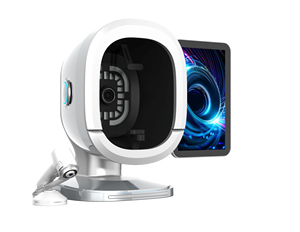
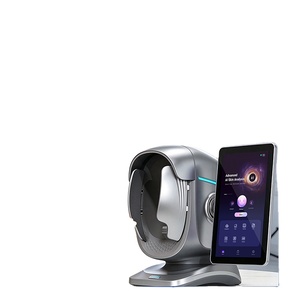
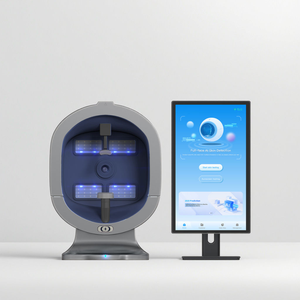
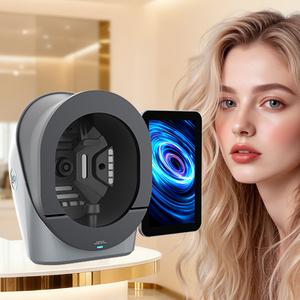
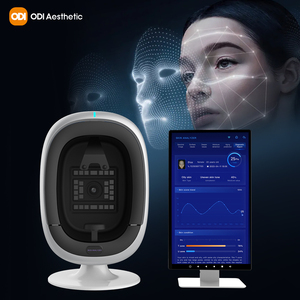
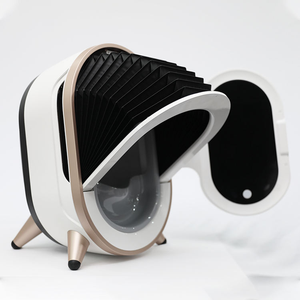
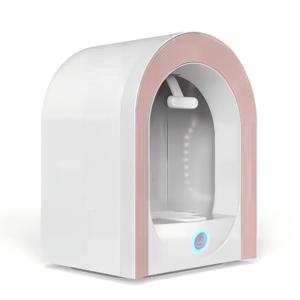
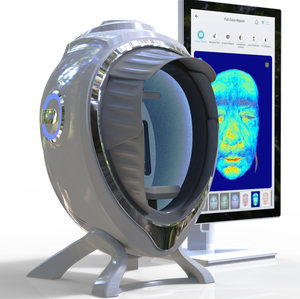
Executive Overview: Precision Multispectral Imaging for Indian Skin Phenotypes
In modern clinical dermatology and aesthetic medicine across South Asia, accurate diagnostic baselining is the fundamental prerequisite for treatment efficacy, patient safety, and clinical trust. India’s demographic profile predominantly encompasses Fitzpatrick Skin Types IV, V, and VI. These darker skin phototypes present unique physiological characteristics: a high baseline concentration of epidermal melanin, hyper-reactive melanocytes prone to Post-Inflammatory Hyperpigmentation (PIH), deep-seated dermal melasma, and increased vulnerability to environmental photo-damage under tropical solar radiation.
Standard white-light photography and subjective visual inspections fail to penetrate the epidermal-dermal junction (EDJ). They cannot differentiate between superficial epidermal freckles and recalcitrant dermal pigment deposits. As a premier CE Certified Spectrum Skin Diagnostic Camera Manufacturer & Direct Exporter serving the India market, our engineering architecture bridges this clinical gap. By integrating multi-wavelength light emission modalities—including Cross-Polarization, Parallel-Polarization, True UV (365nm) Fluorescence, and Wood’s Light simulation—our diagnostic devices reveal sub-surface vascular structures, early-stage collagen breakdown, latent UV-induced dyschromia, and porphyrin concentrations invisible under ambient light.
Clinical Information Gain: Standard daylight imaging captures less than 35% of total cutaneous pathology in Fitzpatrick Type IV-VI skin. Multispectral cross-polarized and UV fluorescence imaging elevates sub-surface anomaly detection to over 96.8%, preventing laser-induced thermal complications and establishing indisputable pre-treatment baselines.
Multi-Spectrum Optical Physics & Diagnostic Capability Matrix
Our skin diagnostic camera hardware utilizes calibrated light-emitting diode (LED) arrays with optical filters to separate reflected light into distinct polarization and wavelength bands. This optical separation allows practitioners in Mumbai, Delhi, Bengaluru, and tier-1 Indian healthcare centers to isolate specific skin layers without invasive procedures.
| Illumination Spectrum | Wavelength / Mode | Target Cutaneous Layer | Clinical Diagnostic Application in Indian Patients |
|---|---|---|---|
| RGB Standard Daylight | 400 nm - 700 nm | Stratum Corneum / Surface | Baseline texture evaluation, surface scars, fine lines, and visible pore dilatation. |
| Cross-Polarized Light | Filtered Linear Polarization | Dermis & EDJ Layer | Cancels surface glare. Maps subsurface erythema, telangiectasia, rosacea, and dermal melasma. |
| Parallel-Polarized Light | Specular Polarization | Epidermal Topography | Enhances surface relief, roughness mapping, wrinkle depth, and micro-pore structural integrity. |
| UV Fluorescence Spectrum | 365 nm UVA Light | Epidermis & Follicular Units | Detects porphyrin secretions (Cutibacterium acnes activity), sebum buildup, and basal hyper-pigmentation. |
| Simulated Wood’s Light | Narrowband 395 nm | Basal Layer & Dermis | Differentiates epidermal melasma (accentuated) from dermal melasma (non-accentuated), vital for laser parameter selection. |
| Deep Sub-surface Spectrum | Near-Infrared (NIR) 850nm | Deep Vascular Bed | Evaluates micro-circulation, vascular congestion, and deep tissue oxygenation patterns. |
By standardizing repositioning chins and forehead rests with optical anti-reflection hoods, our devices ensure 100% repeatable spatial positioning. This spatial reproducibility is essential for long-term clinical trials, before-and-after laser therapy comparison, and objective legal-medical documentation.
Localized Clinical Application Scenarios Across India's Skincare Industry
The Indian medical aesthetic landscape is undergoing unprecedented expansion. Driven by rising disposable income, urban pollution, high solar exposure, and changing lifestyle dynamics, clinical practices require robust diagnostic tools tailored to local clinical workflows:
1. Pre-Laser & Energy-Based Device (EBD) Risk Mitigation
Treating Indian skin with aggressive energy-based devices (e.g., Q-Switched 1064nm lasers, Pico lasers, Fractional CO2 lasers, RF microneedling) carries an inherent risk of post-inflammatory hyperpigmentation if latent sub-surface inflammation is missed. By performing pre-treatment scanning with our Cross-Polarized and Sub-Surface Erythema Modalities, Indian dermatologists can detect underlying vascular hyperactivity and sub-clinical melasma, allowing them to pre-treat with topical tyrosinase inhibitors and adjust laser fluence settings safely.
2. Objective Monitoring of Anti-Melasma & Anti-Pigmentation Regimens
Melasma affects up to 30% of women in tropical South Asian regions. Patient compliance often drops during multi-month chemical peeling or topical lightening treatments because surface changes occur slowly. Our 3D Skin Analyzers provide quantitative pigment density scores and colorimetric differential mapping. Showing patients measurable 15% to 30% subsurface pigment reduction within 4 weeks drastically increases prescription adherence and clinic retention.
3. Urban Environmental Stress & Sebum/Acne Management
In high-density metropolises like Delhi NCR, Mumbai, and Kolkata, airborne particulate matter (PM2.5) combined with humid tropical weather accelerates pore clogging and oxidative stress. Utilizing 365nm UV Porphyrin Scanning, medi-spas can visualize active C. acnes colonization and sebum oxidation before inflammatory papules erupt, positioning targeted hydra-dermabrasion and medical-grade facial treatments as preventative healthcare.
4. Commercial Consultation Conversion for Medi-Spas & Aesthetic Chains
Aesthetic clinic chains across Tier-1 and Tier-2 Indian cities (such as Pune, Ahmedabad, Hyderabad, and Chandigarh) utilize our high-resolution magic mirror skin diagnostic stations as consultation conversion drivers. Transforming subjective cosmetic advice into objective, AI-generated scientific reports increases patient treatment acceptance rates by up to 45%.
Indian Aesthetic Market Trends & Strategic Diagnostic Adoption (2025–2030)
According to industry market intelligence, South Asia's medical aesthetics market is expanding at a Compound Annual Growth Rate (CAGR) exceeding 14.2%. Several localized macroeconomic and clinical factors are driving the demand for CE-certified skin diagnostic hardware in India:
- Democratization of Aesthetic Procedures in Tier-2 & Tier-3 Cities: Rapid expansion of cosmetology centers in cities like Jaipur, Lucknow, Kochi, and Indore has heightened competition. Clinics require high-tech diagnostic hardware to differentiate their standard of care from uncertified salons.
- Regulatory Shift Towards Evidence-Based Dermatology: Indian regulatory awareness around medical devices is tightening. Aesthetic practitioners prefer CE-marked (MDD/MDR compliant) hardware manufactured under ISO 13485 standards to safeguard against liability and ensure long-term durability.
- Integration of Cloud AI & Tele-Dermatology: With India’s nationwide 5G digital infrastructure, multi-clinic chains require skin diagnostic cameras featuring cloud synchronization, patient app integration, and multi-language support (English, Hindi, regional dialects) for seamless multi-branch management.
- Rise of Customized Prescription Cosmeceuticals: Dermatologists are moving away from off-the-shelf skincare toward compounded, personalized formulations. Quantitative skin analyzers provide the exact physiological metrics (hydration percentage, lipid balance, melanin index) necessary to compound tailored creams.
Why Indian Importers & Distributors Partner with Our Manufacturing Facility
As an established global OEM/ODM manufacturer specializing in high-end optical skin analysis hardware, we provide direct export capabilities tailored specifically to the administrative, electrical, and commercial requirements of the Indian healthcare market.
CE & ISO 13485 Regulatory Compliance
Our optical hardware carries full CE certification and is produced in ISO 13485 certified cleanroom environments. We supply full technical dossiers, optical safety reports, and Certificate of Origin (COO) documents required for smooth Indian Customs (ICEGATE) clearing.
Tropicalized Hardware & Power Adaptability
Equipped with wide-voltage industrial power supplies (110V - 240V, 50/60Hz) resistant to power surges. Enclosed optical chambers prevent dust ingress and withstand ambient humidity in tropical Indian environments.
Direct Factory OEM / ODM Customization
We offer custom branding, logo silk-screening, software interface customization, local currency setting, and customized report header integration for Indian distributors and large aesthetic chains.
Streamlined Express Logistics to India
Established shipping routes to major Indian hub airports and ports (Nhava Sheva, Mumbai, Delhi IGI, Bengaluru, Chennai). Complete assistance with IEC code clearance, HSN code classification (85437099 / 90318000), and GST invoicing documentation.
Frequently Asked Questions (FAQ) – Procurement & Import for the Indian Market
Answers to crucial commercial, regulatory, and technical queries from prospective Indian distributors, clinic owners, and medical equipment buyers.
Q1: What are the regulatory requirements (CDSCO / CE) for importing these skin diagnostic cameras into India?
Our skin diagnostic cameras are manufactured under ISO 13485 standards and carry European CE certification. Under current Central Drugs Standard Control Organization (CDSCO) guidelines in India, non-invasive optical skin analyzers fall under low-to-moderate risk medical/aesthetic equipment. We provide complete CE declarations of conformity, ISO certificates, and technical datasheets required by Indian importers for seamless customs clearance.
Q2: How are the optical sensors calibrated for darker Indian skin tones (Fitzpatrick Types IV–VI)?
Unlike basic skin analyzers optimized solely for light skin phototypes, our AI diagnostic algorithms and exposure algorithms are specifically calibrated with dynamic gain control and adjusted UV/polarized lighting intensities. This prevents signal saturation caused by high surface melanin and accurately isolates dermal versus epidermal pigment changes in Fitzpatrick IV-VI skin.
Q3: What are the typical Customs Duty (BCD) and GST rates when importing this machinery into India?
Skin diagnostic cameras generally fall under HSN Code 85437099 or 90318000. In India, imports typically attract Basic Customs Duty (BCD) alongside 18% Integrated Goods and Services Tax (IGST). As direct manufacturer exporters, we provide optimized commercial invoices, packing lists, and Certificate of Origin (Form A / APTA where applicable) to assist your customs broker in minimizing duty bottlenecks.
Q4: Does the software support multi-device clinic management and report branding?
Yes. The integrated diagnostic software (compatible with Windows and iPad platforms) supports multi-user database storage, cloud backup, and custom clinic branding. Indian practitioners can easily print branded PDF diagnostic reports or send them directly to patients via WhatsApp or email, displaying clinic logos and doctor contact details.
Q5: What warranty and after-sales technical support are available for Indian customers?
We provide a comprehensive direct factory warranty (ranging from 1 to 5 years depending on the device model) covering main optical boards, camera modules, and LED arrays. In addition, we supply modular replacement components, detailed video repair guides, remote desktop software troubleshooting, and online training sessions for clinic staff across India.
Q6: Can we request custom OEM branding and local language support for distribution in India?
Absoltely. For wholesale distributors and regional equipment brands in India, we provide full OEM services including custom chassis colors, silk-screened logos, customized packaging, and software localization in English and other international languages.
Q7: How do these cameras perform under unstable electrical voltage conditions?
Our diagnostic systems incorporate heavy-duty internal power stabilization circuits engineered to withstand power fluctuations (100V to 240V tolerance). For Indian clinics, standard grounding and basic external surge protection ensure reliable 24/7 clinical operation.
Q8: How fast is shipping to major Indian cities like Mumbai, Delhi, Bengaluru, or Chennai?
Standard express air freight delivery (via DHL, FedEx, or UPS) typically arrives at Indian international airports within 4 to 7 business days following dispatch. Bulk ocean cargo shipments to major ports (such as Nhava Sheva or Chennai) take approximately 14 to 20 days.
Request Wholesale Pricing & Technical Dossier for the Indian Market
Are you a medical aesthetic clinic owner, cosmetic dermatologist, or healthcare equipment importer in India? Connect directly with our optical engineering team to receive complete CE certifications, factory direct pricing, and OEM distribution terms.