Professional Clinical Facial Scanners for Egypt Procurement
Explore our certified range of multispectral skin analysis systems, 3D facial imaging hardware, and AI diagnostic platforms tailored for Egyptian dermatological clinics.
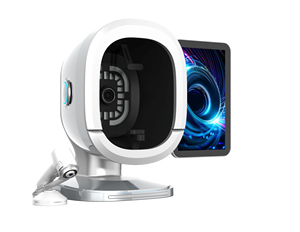
- 3D Morphological Topography
- Deep Melasma & Porphyrin AI Mapping
- Lightweight Portable Design
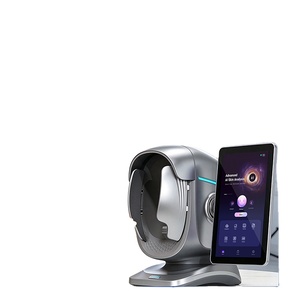
- Integrated 7-Inch Touch UI
- Full Arabic/English Software
- 5-Year Enterprise Warranty
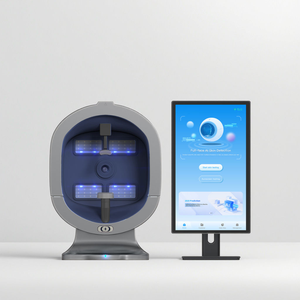
- 8 Light Spectra Diagnostics
- Sub-dermal Sebum & Acne Detection
- Perfect for High-End MedSpas
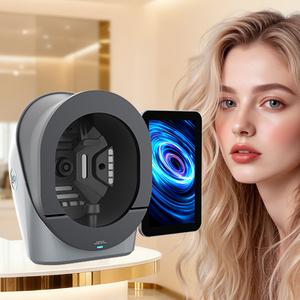
- High-Speed Facial Positioning
- Pigmentation Density Scoring
- Compact Desktop Ergonomics
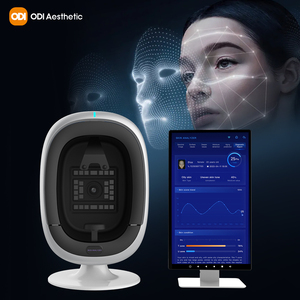
- Cross-Polarized UV Illumination
- Quantitative Melanin Layering
- Automated Patient Reports
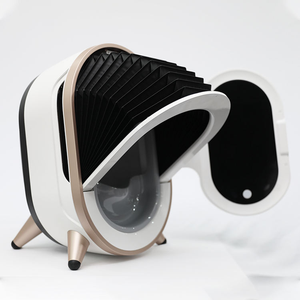
- Magic Mirror Interactive Display
- Hydration & Moisture Barrier Test
- High Patient Engagement UI
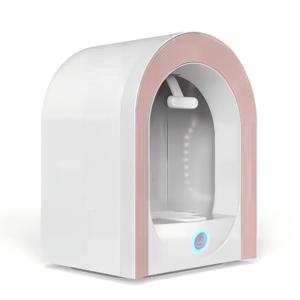
- Specialized Melasma Algorithm
- Sub-surface Vascular Mapping
- EMR / Practice System Sync
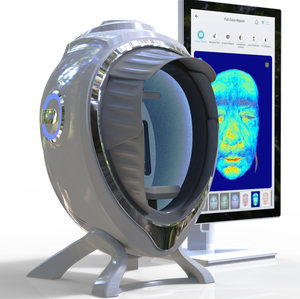
- Full Facial Matrix Scanning
- Freckle & Sun Spot Depth Profiling
- Volume Supply & Distributor OEM
Executive Summary: The Evolving Landscape of Clinical Facial Imaging in Egypt
The Egyptian medical aesthetics and cosmetic dermatology market is experiencing an unprecedented phase of technological modernization. Driven by rapid expansion in tier-1 healthcare hubs—including Cairo, Alexandria, New Cairo, Sheikh Zayed, and Red Sea medical tourism centers like Hurghada and Sharm El Sheikh—dermatology clinics are shifting away from qualitative visual inspections toward quantitative, data-driven multispectral facial imaging.
As a premier global clinical facial imaging device manufacturer, our engineering framework integrates multi-wavelength optical LED arrays, cross-polarized light filtering, and deep-learning AI algorithms specifically calibrated for North African phototypes (Fitzpatrick Skin Types III through VI). Egyptian practitioners face unique clinical challenges, such as high solar ultraviolet exposure, intense ambient temperatures, dust-induced epidermal barrier degradation, and a high prevalence of post-inflammatory hyperpigmentation (PIH), recalcitrant dermal melasma, and solar elastosis. Implementing certified, high-precision facial diagnostic scanners enables Egyptian clinicians to establish baseline sub-dermal metrics, validate laser and chemical peel treatments, and significantly enhance patient trust and retention.
Localized Clinical Application Scenarios Across Egyptian Healthcare Facilities
Precision diagnostic protocols engineered to address prevalent North African dermatological conditions.
Fitzpatrick III-VI Melasma & PIH Mapping
Egyptian patient populations exhibit high epidermal and dermal melanin density. Our UV (365nm) and cross-polarized modalities isolate sub-dermal melasma depth, differentiating epidermal hyperpigmentation from deep dermal melanocytosis to prevent post-laser hyperpigmentation flare-ups.
P. Acnes Porphyrin Fluorescence
The warm climate in the Nile Delta and Upper Egypt accelerates sebum production and bacterial acne vulgaris. Using 405nm blue-spectrum excitation light, our devices quantify fluorescent porphyrin colonies in hair follicles before visible lesions form.
Vascular & Erythema Sub-surface Imaging
Parallel polarization reveals sub-papillary vascular networks, telangiectasia, and facial rosacea. This allows Egyptian practitioners to calibrate vascular IPL/Dye-Laser energy levels accurately based on quantitative capillary density maps.
3D Topographical Wrinkle & Pore Profiling
3D surface reconstruction algorithms analyze fine lines, nasolabial folds, and micro-relief changes caused by photoaging, offering non-invasive structural quantification for injectable fillers and botulinum toxin monitoring.
Chemical Peel & Laser Resurfacing Progress Tracking
Automated image alignment algorithms overlay multi-spectral scans from baseline to week 12 post-procedure. Egyptian clinics utilize these comparative reports to demonstrate clinical ROI to patients.
Hydration & Barrier Loss Quantification
Evaluate epidermal moisture preservation and moisture barrier damage caused by extreme dry heat in Southern Egypt (Luxor, Aswan) and high dust conditions in Cairo urban zones.
Optical Spectroscopy & Illumination Technology Breakdown
Understanding the underlying physics of clinical facial scanners is critical for B2B procurement directors and clinical department heads. The table below outlines how our proprietary multi-spectral optical engine outperforms standard visual dermoscopy:
| Illumination Spectrum | Wavelength Range | Primary Clinical Indicator | Target Sub-dermal Layer | Egypt Market Utility |
|---|---|---|---|---|
| Standard RGB Natural Light | 400 nm - 700 nm | Surface pigmentation, fine wrinkles, enlarged pores | Stratum Corneum | Baseline aesthetic documentation & skin tone mapping |
| Cross-Polarized Light | 520 nm - 660 nm | Deep epidermal melasma, diffuse redness, vascular dyschromia | Basal Layer & Upper Papillary Dermis | Essential for Fitzpatrick Type IV-V melasma diagnosis in MENA skin |
| Parallel-Polarized Light | 450 nm - 680 nm | Surface texture roughness, pore dilation, desquamation | Stratum Corneum & Granulosum | Evaluating desert environment skin dehydration & micro-relief |
| UV Fluorescence Light | 365 nm (Narrowband) | P. acnes porphyrin colonies, dyschromia, sun damage | Follicular Infundibulum & Deep Epidermis | Detecting early sun damage from intense Mediterranean & Red Sea UV exposure |
| Wood's Light Spectrum | 320 nm - 400 nm | Sub-clinical pigmentation, fungal keratitis, vitiligo borders | Epidermal-Dermal Junction | Differential diagnosis of inflammatory vs non-inflammatory lesions |
| 3D Topographical Surface Mesh | Structured Light Sensor | Volumetric changes, laxity, volumetric fold depth | 3D Macro Surface Topography | Pre- and post-injectable / thread lift quantitative verification |
Key Industry Trends Driving Facial Imaging Adoption in Egypt
As the largest medical aesthetics market in North Africa, Egypt is experiencing several macro trends that make high-precision facial diagnostic equipment essential for clinic operations:
1. Explosive Growth in Medical Tourism
Clinics in Cairo and Coastal resorts are treating international patients requiring fast, repeatable, non-invasive digital skin reports before starting intensive anti-aging or hyperpigmentation treatments.
2. Demand for Evidence-Based Dermatology
Egyptian patients are increasingly sophisticated. Visual diagnostic reports printed or shared via tablet eliminate skepticism, directly increasing treatment acceptance for high-end laser sessions and chemical peels.
3. Integration of AI Diagnostics
Artificial intelligence that auto-quantifies skin age, pigmentation index, and pore score reduces consultation time while standardizing diagnostic consistency across multiple clinic branches.
Why Egyptian Distributors & Clinics Partner With Us
World-class manufacturing integrity, rigorous quality control, and localized support engineering.
ISO 13485 & CE Medical Certification
Our manufacturing facility operates under strict medical device quality standards, providing medical-grade compliance required for registration with Egyptian health authorities.
Cloud Data Synchronization & EMR Sync
Secure cloud backup options allow multi-location clinic chains in Cairo and Alexandria to access patient skin records seamlessly across branches with full HIPAA/GDPR data compliance.
Multilingual Software Interface
Our software supports native Arabic and English navigation, enabling local Egyptian operators to effortlessly generate comprehensive, dual-language PDF report cards for patients.
Dedicated Technical & Maintenance Support
We provide localized technical assistance, spare parts availability, remote optical calibration, and rapid troubleshooting to guarantee zero clinic downtime.
High Electrical Stability & Dust Protection
Designed for MENA grid stability (220V/50Hz compliant) with thermal management systems to handle high ambient room temperatures and sealed optical enclosures that block ambient dust.
Distributor Growth & B2B Partnership Programs
We provide medical equipment distributors in Egypt with comprehensive marketing toolkits, exhibition demo units, staff training, and protected regional sales territories.
Frequently Asked Questions (FAQ) for Egyptian Buyers & Distributors
Addressing regulatory, operational, logistics, and financial queries regarding clinical facial scanner procurement in Egypt.
How do your facial imaging devices handle Egyptian skin types (Fitzpatrick III-VI)?
Our imaging devices incorporate custom cross-polarized light filters and narrow-spectrum LED modules specifically engineered to penetrate higher epidermal melanin concentrations without creating surface reflection artifacts. This allows clear differentiation between deep dermal melasma, post-inflammatory hyperpigmentation (PIH), and vascular dyschromia common in Egyptian and Middle Eastern skin profiles.
What is the typical shipping lead time and customs process for Egypt?
We work with established international logistics partners to ship directly to major Egyptian ports and airports (such as Cairo International Airport and Alexandria Port). Lead times typically range from 7 to 14 business days. We provide full commercial documentation, CE certificates, and ISO documentation to facilitate smooth customs clearance through Egyptian customs brokers.
Is the software available in Arabic for patient consultations?
Yes! Our software suite offers full multi-language support, including professional Arabic and English interfaces. Clinical reports can be generated in Arabic, allowing patients in Cairo, Alexandria, or regional clinics to fully understand their skin diagnostic scores and proposed treatment plans.
What warranty and technical support options are provided?
We provide standard 1 to 5-year manufacturer warranties depending on the specific model selected. Technical support includes remote online diagnostic troubleshooting, software updates, video training modules, and hardware replacement component dispatch for minimal disruption to your practice.
Can the device operate stably under Egyptian power supply specifications?
All hardware units are equipped with universal wide-range power supplies (100V-240V, 50/60Hz compliant) designed to withstand local voltage fluctuations. Internal surge filtering protects high-sensitivity optical sensors and camera modules from power spikes.
How does clinical facial imaging increase clinic revenue in Egypt?
Clinical studies demonstrate that clinics utilizing visual multispectral skin analysis report a 35% to 50% increase in patient conversion rates for high-value treatment packages (such as laser therapy, RF microneedling, and premium chemical peels). Objective visual evidence builds immediate credibility and justifies treatment protocols.