Featured Fluorescence & Multispectral Skin Diagnostic Systems
Explore our engineering portfolio of clinical-grade facial scanners, Wood's light diagnostic units, and AI-powered 3D skin analyzers produced for global medical aesthetics and dermatological research.
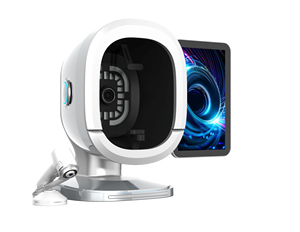
Portable 2025 Smart 3d Skin Analyzer Machine logo Ai Face Skin Diagnostics Analyzer Facial Scanner Skin Analyzer Device
Contact Us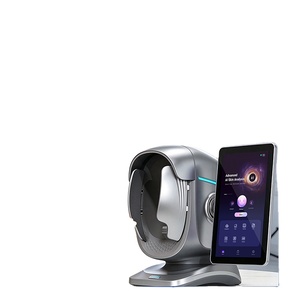
AI Skin Analyzer 7-Inch Touchscreen Facial Scanner 36MP Camera 5-Year Warranty Multi-Language Support for Skin Type Pigmentation
Contact Us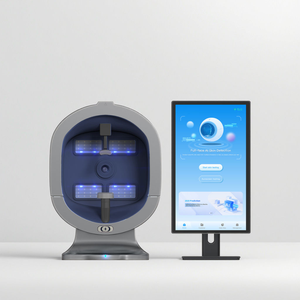
X5 Pro Skin Analyzer for Beauty Salon Moisture Wrinkles Acne Pores Detector 8 Spectrum Pigmentation Device Skin Analysis Machine
Contact Us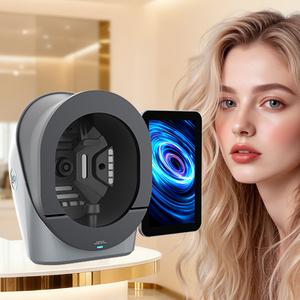
2025 New Arrivals Skin Analyzer Facial Scanning Skin Analysis Beauty Device for Pigmentation Acne Analysis
Contact Us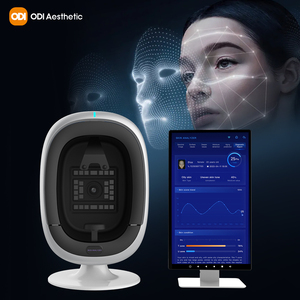
2025 New Digital Skin Analysis 3D Face Pigmentation Skin Tester Skin Analyzer Machine
Contact Us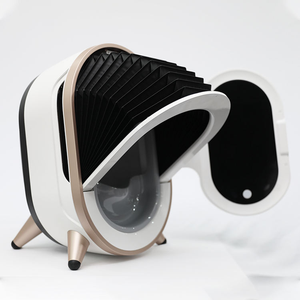
Beauty Salon Equipment Supplies Acne Pigmentation Mouisture test Facial Scanner Analysis 3d Smart Magic Mirror Skin Analyzer
Contact Us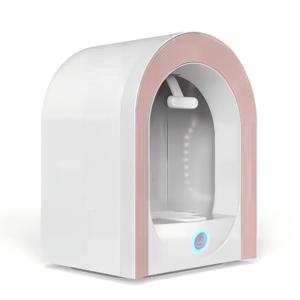
Professional AI Facial Skin Analyzer 3D Digital Skin Detector Machine Pigmentation Melasma Spectrum Analyzer for Salon
Contact Us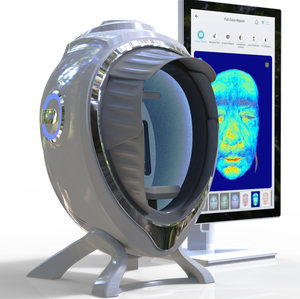
Wholesale Full Face Skin Analyzer Machine Professional Skin Deterctor for Freckles&Deep Pigmentation
Contact UsTechnical Foundation: Wood's Light Photoluminescence & Multispectral Diagnostics
Understanding how fluorescence light skin scanners bridge optical biophysics, subsurface dermis mapping, and predictive algorithmic diagnosis.
Molecular Photoluminescence & Fluorescence Excitation
Fluorescence light skin scanning relies on target fluorophore excitation using narrow-band UV-A illumination centered at 365 nanometers (traditionally recognized as Wood's Light technology). When high-intensity, non-thermal light strikes the cutaneous surface, specific endogenous chromophores and metabolic biological products re-emit light at longer, visible wavelengths.
- Porpyhrin Fluorescence (580–620 nm): Synthesized by Propionibacterium acnes residing within hair follicles, emitting distinct coral-red or orange fluorescence under filtered UV excitation.
- Epidermal Collagen & Lipofuscin (420–460 nm): Reveals structural dermal breakdown, elastosis, and photo-aging before morphological changes manifest under natural white light.
- Pseudomonas & Bacterial Colonization: Emits bright apple-green fluorescence (pyoverdin emission), enabling early detection of compromise in cutaneous barrier function.
Subsurface Dermis Mapping vs. Surface Reflection
Conventional optical inspection is intrinsically hindered by specular glare generated by the stratum corneum's natural lipid film. Advanced fluorescence light skin diagnostic platforms engineered in Osaka integrate cross-polarization optics and optical barrier filters to cancel out surface reflections completely.
- Cross-Polarized Spectrum: Neutralizes superficial reflections, illuminating vascular architecture, telangiectasia, erythema, and deep dermal inflammation.
- Parallel-Polarized Spectrum: Enhances micro-relief, pore architecture, fine lines, surface desquamation, and lipid texture distribution.
- Deep Pigmentation Visualization: Isolates dermal melasma, basal layer hyper-pigmentation, and post-inflammatory hyperpigmentation (PIH) masked under standard daylight.
| Illumination Mode | Wavelength Range | Target Biomarker / Clinical Indicator | Diagnostic Output & Value |
|---|---|---|---|
| UV Fluorescence (Wood's Light) | 365 nm UV-A | P. acnes porphyrins, lipids, depigmentation, vitiligo | Isolates active acne foci, follicular clogging, and occult sub-surface sun damage. |
| Cross-Polarized Light | 400 – 700 nm (Filtered) | Dermal capillary networks, hemoglobin, deep erythema | Eliminates stratum corneum glare; reveals rosacea, inflammation, and vascular lesions. |
| Parallel-Polarized Light | 400 – 700 nm (Unfiltered) | Surface texture, stratum corneum integrity, wrinkles | Highlights surface topography, pore enlargement, desquamation, and hydration gaps. |
| True Daylight (RGB White) | 400 – 700 nm Full Spectrum | Visible color, skin tone uniformity, superficial macules | Establishes standardized baseline visual records for comparative client evaluations. |
| 3D Surface Topography | Structured Light Grid | Volumetric changes, wrinkle depth, structural sagging | Quantitative volumetric mapping for injectable fillers, botulinum toxin, and HIFU therapies. |
Osaka’s Strategic Role as a Global MedTech & Optical Manufacturing Hub
Why international procurement directors, aesthetic device brands, and dermatological distributors source fluorescence light skin analyzers directly from Osaka manufacturers.
The Kansai region of Japan, anchored by Osaka, has historically been recognized as an international powerhouse for precision glass grinding, optoelectronics, medical device manufacturing, and pharmaceutical research. Osaka's legacy—stretching from the traditional apothecary cluster in Doshomachi to modern optical component factories in Higashiosaka—provides a fertile technological foundation for producing high-precision skin diagnostic hardware.
In recent years, the convergence of advanced optical sensors, high-grade quartz lens assemblies, and micro-LED ultraviolet illumination arrays has positioned Osaka-based OEM/ODM manufacturers at the forefront of the aesthetic device sector. The establishment of world-class research clusters such as the Nakanoshima Qross International Center for Cell and Medical Innovation and the ongoing biotech expansion in the Umekita 2nd Project (Grand Green Osaka) have further accelerated public-private collaboration in non-invasive clinical diagnostic tech.
1. Strict JIS & PMDA Compliance
Osaka manufacturers adhere to rigorous Japanese Industrial Standards (JIS C 6802 for laser/LED safety) and Pharmaceutical and Medical Devices Agency (PMDA) quality management principles. Equipment produced under these protocols guarantees non-radiation safety, consistent UV wavelength stability (±1nm), and exceptional chassis durability.
2. Advanced Optical Lens Systems
Unlike budget alternatives using synthetic acrylic lenses, Osaka precision optics employ multi-coated glass optical assemblies. This suppresses chromatic aberration, ensuring edge-to-edge sharpness and zero geometric distortion across full-face 36-megapixel 3D image captures.
Localized Application Scenarios in Osaka & Kansai Healthcare Sector
How leading cosmetic surgery clinics, dermatological centers, and cosmetic formulation labs utilize fluorescence skin scanners across the Osaka metropolis.
High-End Aesthetic Dermatology
In premier medical aesthetic hubs like Shinsaibashi, Midosuji, and Umeda, clinics utilize multispectral scanners to perform objective pre-treatment baseline analysis. Patients undergoing Pico laser, IPL photorejuvenation, or chemical peels receive quantified fluorescence reports showing hidden melasma and porphyrin density, driving patient treatment compliance up by over 40%.
Clinical University Research
Dermatology departments at prestigious institutions across Osaka University and Kindai University leverage non-invasive UV fluorescence skin diagnostic devices for longitudinal clinical trials. They objectively track cutaneous barrier restoration, anti-pigmentation compound efficacy, and photo-aging recovery without invasive skin biopsies.
J-Beauty R&D & Formulation
Osaka’s historic Doshomachi pharmaceutical district houses major J-Beauty skincare R&D centers. Skincare formulation scientists use 3D Wood's light scanners to measure real-time SPF protective barrier coverage, sebum regulation from topical niacinamide, and the depigmenting speed of Kojic acid derivatives.
Luxury Anti-Aging Consultations
High-end wellness retreats and medical spas spanning the Osaka-Kobe-Kyoto corridor integrate touch-screen facial scanners to offer personalized "Skin Longevity Audits." Combining AI skin age scoring with 10-spectrum visualization elevates consultation authority and boosts premium skincare kit sales.
Global Brand White-Labeling
International aesthetic brands leverage Osaka OEM partners to design customized skin analysis hardware with tailored software UIs, localized language packs (English, Japanese, Chinese, Spanish), and cloud API integration for global clinic networks.
Preventive Skin Health Monitoring
Commercial anti-aging clinics incorporate full-face 3D skin scanners to provide annual skin check-ups. Detecting actinic damage and deep vascular congestion early allows preventive lifestyle interventions before visible facial skin breakdown occurs.
Localized Industry Trends Shaping Osaka’s Diagnostic Device Market
Strategic analysis of technological shifts, regulatory developments, and market forces driving skin imaging innovation in Japan.
1. Integration with Expo 2025 Osaka "Future Society" Technologies
World Expo 2025 Osaka has placed global focus on preventive healthcare and AI-driven longevity. Skin scanner manufacturers in Osaka are integrating deep-learning algorithms trained on East Asian skin phototypes (Fitzpatrick Types III–V) to predict 5-year skin aging vectors, transforming diagnostic devices from passive observers to predictive wellness platforms.
2. Shift Toward Cloud-Connected Practice Management
Modern aesthetic clinics in Kansai no longer accept standalone hardware. Hardware must connect seamlessly via HIPAA/GDPR-compliant cloud ecosystems (such as Sylton Connect platform architectures), allowing multi-location clinic chains across Japan to sync patient baseline diagnostic photos, treatment history, and before-and-after comparisons instantly.
3. High-Resolution 3D Surface & Contour Mapping
2D photography is rapidly giving way to full 3D facial volumetric reconstruction. Practitioners require exact millimeter-level measurements of nasolabial fold depth, forehead wrinkle volume, and facial asymmetry to objectively justify non-invasive tightener treatments (HIFU, RF micro-needling) and hyaluronic acid filler volume requirements.
Osaka B2B Buyer FAQ: Procurement, Regulatory & Customization
Comprehensive answers to common questions asked by international buyers, clinic owners, and medical equipment distributors sourcing skin analysis devices from Osaka.
Why Global Distributors & Medical Clinics Trust Our Diagnostic Platforms
Building on decades of clinical imaging research and optical engineering mastery (as demonstrated by benchmark platforms like Observ 520x and Observ 320), our diagnostic equipment portfolio represents the gold standard in non-invasive skin diagnostics.
10+ Illumination Spectrum Modes
Complete visualization across Daylight, Surface 3D, Cross-Polarized, Parallel-Polarized, Wood's Light UV, Pigmentation Mode, Vascular Mode, and Tone Analysis.
Clinical Documentation & EMR Ready
Standardized patient positioning visors, automated lighting control, and instant report export (PDF/Cloud) streamline busy clinical workflows.
Global Dealer & After-Sales Network
Supported by local service centers, comprehensive staff training modules, and robust warranty coverage across 60+ international territories.
Ready to Elevate Your Clinic’s Diagnostic Precision?
Connect directly with our Osaka manufacturing specialists and global distribution team to request factory-direct quotations, technical datasheets, or schedule a virtual live demonstration of our fluorescence skin scanners.
Contact Us