High-Resolution Skin Diagnostic Systems for Parisian Practitioners
Engineered for uncompromising diagnostic accuracy. Compare our full line of multispectral facial scanners, 3D magic mirror analyzers, and AI skin detection devices compliant with EU standards.
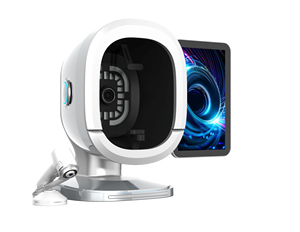
Portable 2025 Smart 3D Skin Analyzer Machine AI Face Diagnostics
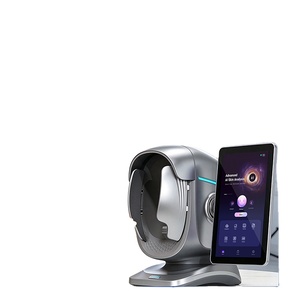
AI Skin Analyzer 7-Inch Touchscreen Scanner 36MP Camera
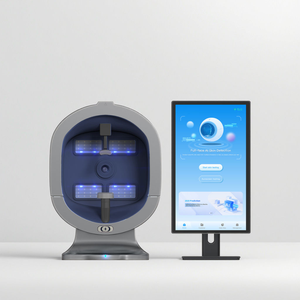
X5 Pro Skin Analyzer 8 Spectrum Wrinkle & Moisture Detector
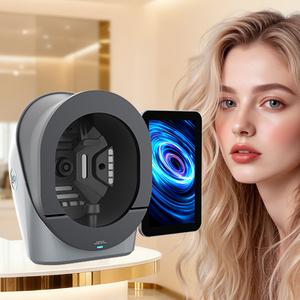
2025 Next-Gen Facial Scanning Analyzer for Acne & Pigmentation
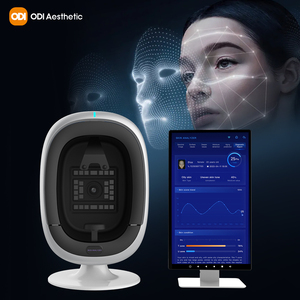
2025 Digital 3D Face Pigmentation & Vascularity Tester
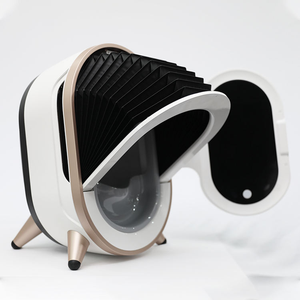
3D Smart Magic Mirror Facial Scanner & Moisture Analyzer
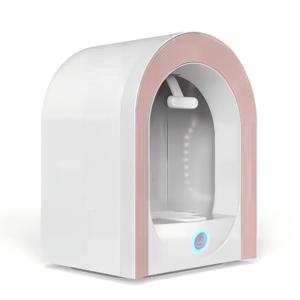
Professional AI Facial Spectrum Analyzer for Melasma & Erythema
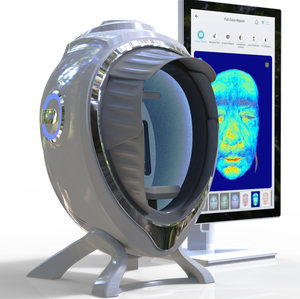
Wholesale Full Face Analyzer for Freckles & Deep Pigmentation
Elevating Skin Diagnostics in the Parisian Aesthetic Landscape
An in-depth guide to sub-surface optical chromophore imaging, multi-spectral light modes, and compliance standards for medical dermatologists and aesthetic clinics operating across Paris.
The Mechanics of Sub-Surface Chromophore Mapping
Human visual perception is fundamentally constrained by light reflection off the stratum corneum. In high-stakes aesthetic markets like Paris—where patients demand rigorous, scientifically backed treatments—relying solely on ambient daylight inspection creates diagnostic blind spots. High-resolution skin diagnostic systems utilize cross-polarized and parallel-polarized optical filtration alongside narrow-band UV fluorescence (365nm) to decouple specular surface reflection from epidermal and dermal light backscattering.
By isolating specific light wavelengths, clinical diagnostic systems map melanin concentrations (melasma, post-inflammatory hyperpigmentation, lentigines) and hemoglobin concentrations (erythema, telangiectasia, rosacea) down to the papillary dermis. This provides Parisian practitioners with reproducible baseline measurements to validate aesthetic procedures such as picosecond laser resurfacing, intense pulsed light (IPL), chemical peels, and targeted dermo-cosmetic therapies.
Information Gain: Beyond Conventional 2D Imaging
Standard facial photography lacks standardized illumination, spatial geometry alignment, and color calibration. High-resolution skin analysis devices engineered by leading manufacturers incorporate 3D volumetric facial mapping and rigid optical headrests. This ensures exact pixel-to-pixel registration across longitudinal follow-up consultations.
Furthermore, artificial intelligence algorithms analyze porphyrin fluorescence generated by Propionibacterium acnes, quantify lipid film integrity, measure micro-relief pore depth, and compute Glogau photo-damage indices. This empirical data elevates client trust, transforming subjective cosmetic consultations into objective, evidence-based medical dermatology workflows.
Multispectral Illumination Matrix & Diagnostic Target Mapping
| Illumination Mode | Optical Wavelength / Polarization | Diagnostic Depth | Primary Clinical Target (Paris Aesthetic Standard) |
|---|---|---|---|
| Daylight (RGB) | Standard Broad-Spectrum (400-700nm) | Epidermal Surface | Pore size, visible wrinkles, macro-pigmentation, texture irregularities. |
| Cross-Polarized | 90° Phase Shift Optical Filter | Epidermal-Dermal Junction | Vascular lesions, erythema, rosacea, deep melasma, subsurface capillary networks. |
| Parallel-Polarized | Co-Aligned Phase Optical Filter | Stratum Corneum | Surface fine lines, skin roughness, desquamation, pore structure elevation. |
| UV Fluorescence | UVA Narrow-Band (365nm) | Epidermis / Follicular Openings | Porphyrins (acne bacterial activity), dyschromia, sun damage, clogged pores. |
| True UV / Woods Light | Filtered UV Light Mode | Basal Layer / Dermal Border | Hypopigmentation, vitiligo detection, deep-seated photodamage, sebum distribution. |
| 3D Topography | Structured Light / Mesh Projection | Volumetric Contour | Wrinkle depth calculation, skin slackening, facial contour volume tracking post-injectables. |
Localized Application Scenarios Across Paris & Île-de-France
From flagship aesthetic centers in the 8th Arrondissement to dermo-cosmetic research laboratories along the Seine, our diagnostic equipment powers diverse clinical settings.
Luxury Aesthetic Clinics in Paris 8e (Champs-Élysées & Avenue Montaigne)
Clinics operating in Paris’s Golden Triangle cater to an elite international and local clientele that expects absolute transparency and premium technological sophistication. Utilizing 36MP 3D multispectral facial scanners allows aesthetic physicians to perform comprehensive pre-treatment imaging prior to administering micro-injectables (hyaluronic acid, botulinum toxin) and non-ablative laser procedures. Standardized before-and-after photo documentation provides concrete visual proof of rejuvenation, driving premium treatment acceptance rates and fostering long-term client retention.
Dermo-Cosmetic R&D Labs in the Cosmetic Valley Ecosystem
The greater Paris region forms the heart of France's world-renowned Cosmetic Valley. Formulators, dermo-cosmetic brand houses, and clinical testing facilities require quantitative, unbiased measurements to validate efficacy claims for novel skincare formulations. High-resolution skin diagnostic systems offer customizable image analysis metrics—measuring reduction in dermal pigmentation intensity, pore contraction percentage, and barrier repair speed—providing scientifically sound data sets required for European regulatory compliance and premium cosmetic marketing claims.
Medi-Spas & Boutique Salons (Le Marais & Saint-Germain-des-Prés)
Boutique salons and modern med-spas across historic Parisian neighborhoods use smart magic mirror skin analyzers to elevate facial consultations. Instead of relying on manual skin typing, estheticians utilize instant AI scanning to uncover hidden sun damage, dehydration gradients, and early pore congestion. This interactive visual demonstration empowers skincare experts to prescribe customized homecare regimens and targeted facial protocols, significantly increasing retail product sales per client visit.
Key Trends Shaping the French Skin Diagnostics Market
Understanding the technological shifts, regulatory mandates, and client expectations governing aesthetic diagnostic equipment procurement in France.
1. Strict Alignment with EU Data Privacy & GDPR Regulations
High-resolution facial diagnostic devices capture intricate biometric data. In France, the Commission Nationale de l'Informatique et des Libertés (CNIL) enforces stringent standards on client data storage. Modern diagnostic systems serving Paris clinics must feature local encrypted database management, GDPR-compliant patient consent modules, and anonymized cloud reporting choices. Devices integrated with secure software architectures (such as Sylton Connect protocols) ensure French clinic owners remain fully compliant with European data privacy mandates.
2. The Surge in Demand for Non-Invasive Diagnostic Proof
French aesthetic clients are increasingly discerning, favoring subtle, preventative ("tweakment") procedures over invasive surgical interventions. Consequently, practitioners must justify treatment recommendations with empirical visual evidence. High-definition 3D imaging systems that can highlight early sub-dermal vascular changes or invisible UV spots allow practitioners to demonstrate the necessity of preventative treatments—such as SPF compliance, IPL therapy, or mesotherapy—long before clinical symptoms manifest on the surface.
3. AI-Assisted Hyper-Personalization & Multi-Language Software
Paris remains a melting pot of international patients and multi-lingual medical professionals. Equipment manufacturers supplying the French market must provide robust, multi-language software interfaces (including French, English, German, and Spanish). Furthermore, AI algorithms capable of instantly categorizing skin phototypes according to the Fitzpatrick Scale and calculating custom aging indices allow practitioners to present diagnostic findings seamlessly, regardless of language barriers.
4. Modular Hardware & Ergonomic Mobility
Clinic floor space in prime Parisian locations comes at a premium. Modern diagnostic hardware trends heavily favor versatile, compact form factors—such as table-top smart mirrors or integrated mobile stand assemblies—that can easily transition between consultation rooms without requiring dedicated optical darkrooms. Smooth height adjustment and automated chin-rest positioning enhance patient comfort while maintaining identical lighting geometry.
Factory-Direct Advantage for Paris Importers & Distributors
Partnering directly with a specialized skin diagnostic manufacturer guarantees cutting-edge optical technology, complete compliance documentation, and direct technical support.
5-Year Extended Warranty & CE Certification
Our systems undergo rigorous optical calibration and electrical safety testing, meeting all European Economic Area (EEA) standards and carrying CE marking. We offer customizable warranty packages—up to 5 years of comprehensive coverage—ensuring Parisian clinics enjoy zero operational downtime and continuous firmware updates.
OEM / ODM Customization & White-Labeling
For dermo-cosmetic groups and large clinic franchises across France, we offer full OEM/ODM manufacturing capabilities. Customize software GUI branding, integrate specialized skin parameter algorithms, or add custom outer housing logo printing to align the diagnostic hardware with your corporate identity.
Streamlined Air Freight to Paris (CDG Express Logistics)
We maintain established logistics pipelines direct to Paris-Charles de Gaulle (CDG) and Orly airports, offering expedited customs clearing support, protective flight-case packaging, and full transit insurance. Orders are handled with precision to guarantee safe delivery straight to your practice in Île-de-France.
Frequently Asked Questions by Paris Buyers & Importers
Addressing key technical, regulatory, and shipping considerations for procuring skin diagnostic systems in France.
Q1 How do your high-resolution skin diagnostic systems comply with French CNIL and EU GDPR data privacy laws?
Our diagnostic systems are designed with privacy-by-design architecture. Client profiles, 3D facial scans, and spectral records are stored either in locally encrypted system databases or on GDPR-compliant European cloud servers. The software allows practitioners to generate explicit digital consent forms before scanning and provides one-click client data anonymization or deletion in accordance with French CNIL guidelines.
Q2 What is the typical shipping lead time and customs process for delivery to Paris / Île-de-France?
Standard factory dispatch takes between 3 to 5 business days upon order confirmation. Shipments routed via express air freight (DHL/FedEx/Flight Logistics) to Paris typically arrive within 4 to 7 business days. We provide comprehensive commercial invoices, HS code documentation (typically 9031.80 for optical inspection instruments), CE conformity certificates, and complete import clearance documentation to ensure smooth entry through French customs.
Q3 Is the skin analysis software available in French, and can client consultation reports be customized?
Yes, our clinical software suite features full native French language support, alongside English, German, Spanish, and Italian. Diagnostic report templates are fully customizable—practitioners in Paris can upload their clinic logo, insert custom treatment recommendation menus (e.g., specific French dermo-cosmetic brands or laser protocols), and print or email PDF summary cards directly to clients.
Q4 How does 3D skin diagnostic imaging improve consultation conversion rates in aesthetic practices?
Empirical clinical trials demonstrate that visual diagnostic evidence increases patient treatment adherence by up to 45%. By revealing invisible sub-surface photodamage, early vascular nests, and deep-seated porphyrin activity, clients instantly comprehend the clinical rationale behind suggested procedures. Furthermore, comparing side-by-side multispectral images across follow-up visits objectively proves procedure efficacy, eliminating patient skepticism.
Q5 What maintenance and optical calibration procedures are required for these diagnostic machines?
Our skin diagnostic devices utilize solid-state LED illumination arrays engineered for over 50,000 operational hours without light decay. Unlike traditional bulb systems, LED arrays require no regular bulb replacements. System calibration is streamlined via automated software routines and provided calibration targets. In the event of technical queries, remote diagnostic connection tools allow our engineering team to inspect software performance directly.
Upgrade Your Parisian Practice with Clinical 3D Imaging
Connect directly with our engineering and export team to request wholesale pricing, technical specifications, or schedule an online live demo tailored for your clinic in Paris.
Contact Us