Saudi Arabian Medical Aesthetic Transformation & Vision 2030 Diagnostic Standards
The Kingdom of Saudi Arabia (KSA) is undergoing an unprecedented expansion in the medical aesthetics and clinical dermatology sectors. Driven by the ambitious healthcare transformations under Saudi Vision 2030, private dermatology clinics, specialized cosmetic surgery centers, and academic medical institutions across Riyadh, Jeddah, Dammam, and Al-Khobar are upgrading their diagnostic infrastructure to meet world-class clinical standards.
Modern Saudi patients present high expectations regarding diagnostic transparency, clinical precision, and non-invasive procedural efficacy. For medical aesthetic practitioners operating in KSA, relying solely on surface-level visual examinations is no longer sufficient. Environmental exposure in the Arabian Peninsula—characterized by intense ultraviolet (UV) solar irradiance, high heat index, and fine desert particulate matter—accelerates specific dermatological issues. These include sub-surface melasma, solar elastosis, deep dermal pigmentation, hyper-sebaceous follicle congestion, and compromised skin barrier integrity.
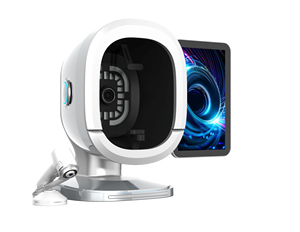
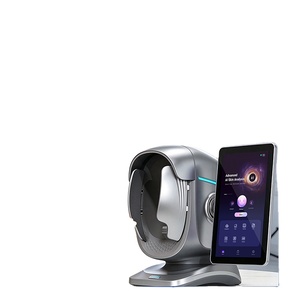
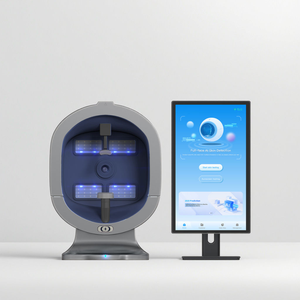
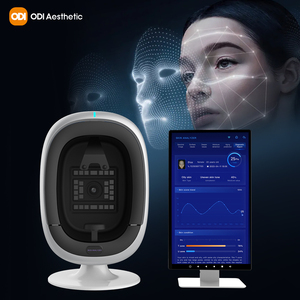
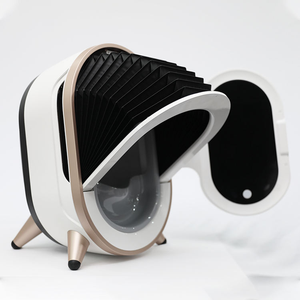
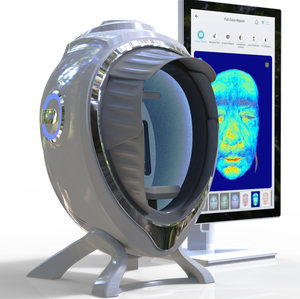
As an established global OEM/ODM manufacturer of medical grade facial scanners, our factory engineers high-precision multispectral imaging hardware integrated with advanced artificial intelligence algorithm engines. Designed to support dermatologists, aesthetic physicians, and professional skincare distributors in Saudi Arabia, our diagnostic systems convert sub-dermal biological data into clear, objective visual evidence. This documentation empowers practitioners to formulate personalized treatment protocols, track long-term clinical efficacy, and drive high patient retention.
Featured Medical-Grade Facial Scanners & Diagnostic Analyzers
Direct factory wholesale supply for Saudi Arabian clinics, hospital networks, and medical device importers. Certified ISO13485 manufacturing with complete OEM customization options.


Advanced Multispectral Imaging Science for Middle Eastern Skin Phenotypes
Skin analysis in the Arabian Gulf region presents unique clinical diagnostic challenges. Middle Eastern skin types predominantly fall into Fitzpatrick Phototypes III, IV, and V. These skin phototypes possess a high density of epidermal melanin, rendering them sensitive to post-inflammatory hyperpigmentation (PIH), dermal melasma, and thermal damage from aggressive light-based or laser therapies.
Standard daylight inspection often fails to differentiate between epidermal pigmentation (which responds well to topical peel interventions or superficial Q-switched lasers) and deep dermal pigment deposits (which require gentle, multi-session picosecond laser protocols). Operating with improper optical diagnostics risks incorrect laser parameter selection, leading to inadvertent rebound hyperpigmentation or hypopigmentation.
Optical Spectrum Breakdown & Clinical Application
Our OEM facial scanning instruments employ filtered light-emitting diodes (LEDs) calibrated to micro-nanometer bands. By firing successive high-speed optical flashes within a light-shielded booth, the device captures high-resolution digital imagery across multiple wavelengths:
| Illumination Spectrum | Optical Wavelength | Target Biomarker / Clinical Focus | Diagnostic Utility for Saudi Patients |
|---|---|---|---|
| RGB Standard Daylight | 400 – 700 nm | Surface texture, macro-pores, visible fine lines, active acne papules | Establishes high-definition baseline baseline visual evaluation under color-calibrated 6500K daylight conditions. |
| Cross-Polarized Light | 520 – 580 nm | Sub-surface vascular network, erythema, telangiectasia, rosacea | Suppresses specular surface reflections to reveal underlying micro-vascular inflammation and sensitive skin zones. |
| Parallel-Polarized Light | 450 – 680 nm | Skin surface topography, micro-relief, stratum corneum roughness | Accurately measures pore depth and fine line severity caused by desert climate dehydration. |
| UV Fluorescence Light | 365 nm (Safe UV-A) | Porphyrin deposits (Propionibacterium acnes), sebum distribution, lipid activity | Detects hidden bacterial activity inside follicular orifices before papules become clinically visible. |
| Wood's Optical Light | 395 nm Filtered | Epidermal vs. Dermal Melasma distinction, dyschromia, sun damage | Differentiates superficial epidermal sunspots from deep-seated dermal melasma plaques prevalent in Gulf regions. |
| Complexion / Red Speckle | 540 nm Target Spectrum | Sub-dermal inflammation zones, capillary dilation, post-acne erythema | Guides post-procedural recovery protocols following fractionated CO2 laser or microneedling RF treatments. |
Localized Application Scenarios in Saudi Arabia
Our facial scanning hardware and localized software platforms are engineered to integrate seamlessly into diverse medical and aesthetic workflows across the Kingdom:
Aesthetic Dermatology Centers (Riyadh & Olaya)
Enables cosmetic dermatologists to provide quantitative proof during consultations. Pre-procedure diagnostic scans generate baseline parameters for Picosecond laser toning, laser hair removal prep, and chemical exfoliation.
Cosmetic Surgery Clinics (Jeddah Corniche)
Facilitates comprehensive facial anti-aging and surgical planning. Doctors measure structural elasticity, deep volume loss indications, and tissue hydration prior to injectable hyaluronic acid fillers or thread lifting.
Luxury Medi-Spas (Dammam & Khobar)
Drives skincare product sales and high-end facial treatment conversions. Estheticians use visual diagnostic reports to build tailored homecare regimens featuring medical-grade topical serums and sunscreens.
Clinical Research & Academic Institutions
Offers reproducible matrix data, normalized lighting geometry, and raw image export options suitable for clinical trials evaluating novel topical formulations or energetic skin devices.
Saudi Arabian Aesthetic Market Trends & Technological Shifts
Understanding local market dynamics is essential for clinical leaders purchasing capital equipment in Saudi Arabia. Key trends shaping diagnostic technology demand include:
1. Shift Toward Data-Driven Patient Consultations
Saudi patients are increasingly tech-savvy. The modern patient demographic in Riyadh and Jeddah demands empirical data rather than subjective opinions. Providing a side-by-side spectral comparison showing a 35% reduction in deep dermal melanin after a 4-session treatment cycle builds strong patient trust and mitigates consultation friction.
2. AI-Driven Quantitative Age & Pathological Scoring
Artificial intelligence algorithms trained on extensive Middle Eastern dermal databases now offer real-time feature extraction. Our scanners analyze pore volume, wrinkle depth vectors, vascular hyper-reactivity, and UV spot concentration, generating a normalized "Skin Age" index alongside actionable severity scores.
3. Integration with EMR & Saudi Health Cloud Platforms
With Saudi Arabia's push toward digital health infrastructure (including NUPCO compliance and modern EMR standards), medical scanners must offer secure, encrypted DICOM/PNG export, localized Wi-Fi database synchronization, and multi-workstation iPad/tablet viewing capabilities.
Why Partner with Our Factory? OEM/ODM Direct Advantages
As a specialized manufacturer operating dedicated optical assembly lines and software R&D laboratories, we deliver enterprise benefits tailored for Saudi Arabia's medical device distributors and large clinic networks:
Arabic & English Software Dual-Localization
Our software UI and customer-facing consultation reports are natively localized into professional Arabic and English, allowing staff to conduct consultations in their preferred language.
Custom Housing Branding & OEM White-Labeling
We provide full white-label manufacturing. Incorporate your medical distribution logo, custom chassis colorways, specialized startup screens, and custom-branded PDF report headers.
Strict ISO 13485 & International QC Standards
Every facial scanner undergoes rigorous optical calibration, color temperature validation, and 72-hour continuous burn-in testing to guarantee reliable performance in warm climates.
Saudi Arabia B2B Procurement & Sourcing FAQ
Ready to Elevate Your Diagnostic Infrastructure in Saudi Arabia?
Connect directly with our factory engineering and export sales specialists. Receive detailed technical specifications, OEM pricing catalogs, and SFDA registration support packages today.