Featured Clinical Dermatology & Skin Diagnostic Systems
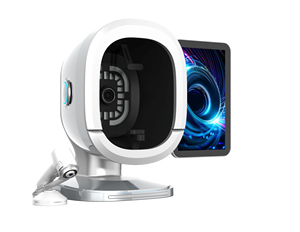
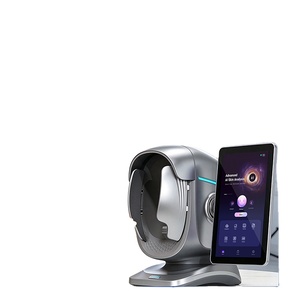
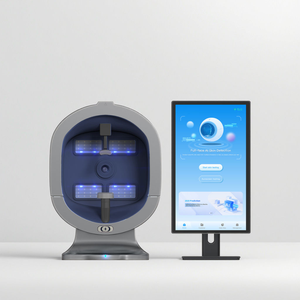
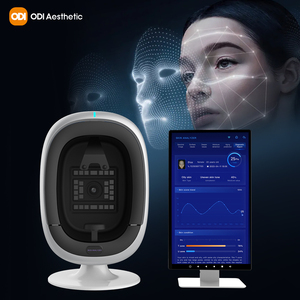
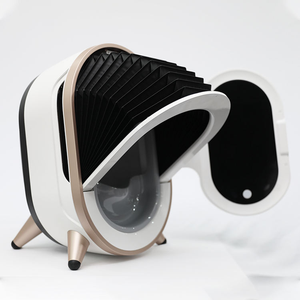
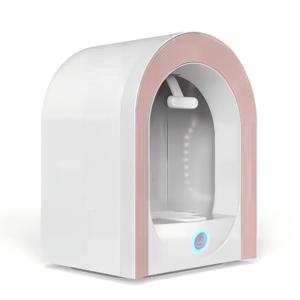
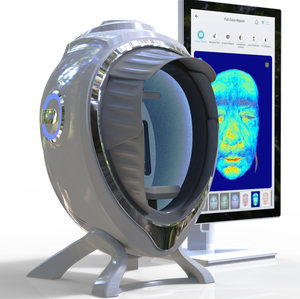
Explore our flagship series of portable 3D optical skin analyzers and AI-assisted multispectral diagnostic scanners. Engine-calibrated for clinical precision, compliant with UK/EU medical standards, and designed for instant integration into London-based cosmetic clinics and clinical dermatology centers.

Executive Summary: The London Dermatological & Aesthetic Diagnostic Landscape
London stands as one of the world's primary hubs for medical aesthetics, cosmetic dermatology, and private dermatological research. From the prestigious medical consultancies of Harley Street and Wimpole Street to high-end aesthetic clinics in Mayfair, Kensington, and Knightsbridge, client expectations regarding diagnostic accuracy, safety, and visual evidence have reached unprecedented heights. Patients no longer accept superficial visual assessments; they demand quantifiable, data-backed evidence before committing to invasive laser therapies, chemical peels, biostimulator injections, or complex acne treatment regimens.
To capture market share in Greater London's highly competitive private healthcare ecosystem, clinical directors and practice owners are turning to advanced, portable multispectral dermatology scanners. These devices bridge the critical gap between traditional visual dermoscopy and high-cost stationary clinical imaging suites. By combining RGB true-daylight capture, cross-polarized vascular rendering, parallel-polarized surface texture mapping, and 365nm UV fluorescence excitation into lightweight, portable form factors, leading manufacturers enable clinicians to perform point-of-care sub-surface skin evaluations anywhere from satellite consultations in Chelsea to mobile clinical trials across the Home Counties.
Technical Architecture: Optical Engineering & AI Diagnostics
Modern clinical skin diagnostic equipment relies on sophisticated light-matter interactions. Our portable dermatological scanners incorporate patented optical assemblies and micro-spectral filtering systems designed to isolate specific depth layers of the human skin structure:
Eliminates specular surface reflection, allowing precise visualization of dermal micro-vasculopathy, telangiectasia, erythema density, and sub-surface inflammation associated with Rosacea and post-procedural erythema.
Excites specific fluorophores in the skin to detect lipid distribution, porphyrin activity within sebaceous glands, dyschromia, melasma depth, and actinic damage hidden beneath the stratum corneum.
Algorithms trained on multi-ethnic clinical skin databases calculate standardized severity scores for fine lines, pore dilation, hyperpigmentation, moisture loss, and physiological skin age metrics.
Comparative Matrix: Hardware Specifications & Diagnostic Performance
To assist UK procurement teams, clinic managers, and cosmetic dermatologists in selecting optimal hardware, the following matrix compares portable AI-assisted skin analyzers with traditional hand-held dermatoscopes and bulky stationary clinical imaging towers:
| Diagnostic Parameter | Sylton Observ & AI Portable Scanners | Standard Hand-Held Dermatoscope | Legacy 2D Facial Imaging Towers |
|---|---|---|---|
| Illumination Modes | 10+ Multispectral (RGB, Cross, Parallel, UV, Wood's) | 1-2 Modes (Polarized / Non-Polarized) | 2-4 Standard Lighting Modes |
| Imaging Dimensions | 3D Full Facial Surface & Sub-Surface Mapping | Localized 2D Spot Imaging (<2cm²) | Flat 2D Facial Capture |
| Portability & Form Factor | Compact, Mobile-Stand Compatible (<6.5 kg) | Pocket-Sized Handheld | Stationary Desk/Floor Tower (>25 kg) |
| Client Consultation ROI | High (Instant Side-by-Side Visual Proof & Reports) | Moderate (Requires Direct Doctor Interpretation) | High (Limited by Fixed Clinic Location) |
| Data Sovereignty & GDPR | Encrypted UK/EU Cloud & Local Storage Compliant | Manual SD Card / Local Phone Storage | Proprietary Server Architecture |
Localized Application Scenarios Across London's Aesthetics & Dermatology Hubs
Deploying portable dermatology scanners in London requires a detailed understanding of localized patient demographics and clinical operational workflows:
1. Harley Street & Wimpole Street Medical Aesthetics Consultations
In London's premier medical district, patient retention depends heavily on objective treatment validation. Clinicians performing energy-based device (EBD) therapies, such as fractional CO2 laser resurfacing, intense pulsed light (IPL), or microneedling radiofrequency (MNRF), utilize our portable skin diagnostic devices to capture baseline multispectral images. By comparing baseline cross-polarized vascular density against 4-week post-treatment scans, practitioners offer undeniable visual evidence of dermal collagen remodeling and erythema reduction.
2. NHS Community Dermatology Triage & Private Satellite Clinics
With NHS waiting times for non-urgent dermatological referrals increasing, private sector triage clinics across Greater London (including Richmond, City of London, and Canary Wharf) are implementing portable skin diagnostic devices for rapid patient intake. High-resolution 36MP optical sensors record pigmented lesions, dyschromia, and inflammatory dermatoses with standardized focal distance, facilitating seamless cloud-based teledermatology reviews by consultant dermatologists.
3. High-End Medi-Spas & Luxury Skincare Flagships in Mayfair & Knightsbridge
Luxury retail skincare counters and boutique medi-spas utilize portable 3D skin analyzers to drive cosmeceutical sales conversions. Demonstrating sub-surface UV sun damage or deep pore sebum oxidation converts casual cosmetic consultations into structured, high-value skincare regimens backed by automated follow-up imaging protocols.
Upgrade Your Clinic's Diagnostic Capabilities Today
Request a personalized consultation, live virtual demonstration, or localized London pricing schedule directly from our technical sales engineering team.
Key Market Trends Shaping Skin Diagnostics in the UK (2025–2030)
The UK medical cosmetics and dermatology diagnostic industry is undergoing rapid technical evolution. Strategic procurement decisions must account for the following emerging trends:
- Integration of Generative AI Simulation: Modern scanners now offer predictive aging algorithms, allowing clinicians to simulate 3-year treatment outcomes vs non-intervention trajectories for patient education.
- CQC Audit Readiness & Digital Standardization: The Care Quality Commission (CQC) places increasing scrutiny on patient record accuracy. Automated, unalterable digital skin diagnostic files fulfill stringent audit guidelines.
- Multi-Ethnic Skin Typing Precision: Enhanced spectral calibration accounts for varying Fitzpatrick Skin Phototypes (Types I through VI), preventing false-positive dyschromia readings in highly pigmented skin tones common in London's diverse population.
Enterprise Manufacturer Strengths & Quality Assurance
As a leading international manufacturer and supplier of clinical dermatological imaging systems, our organization brings decades of specialized optical research, precision manufacturing, and software engineering to the London medical market:
Our manufacturing facilities operate under strict ISO 13485 quality management frameworks. All devices imported into the United Kingdom hold full UKCA and CE certification for electrical safety, optical radiation safety, and electromagnetic compatibility.
Every scanner undergoes factory micro-spectral calibration using standardized colorimetry targets, ensuring 99.4% optical consistency across multiple clinic locations and sequential diagnostic sessions.
We provide direct UK technical support, dedicated staff operational training, on-site device installation, and rapid hardware replacement guarantees across Greater London and surrounding counties.
Frequently Asked Questions by London Clinic Directors & Buyers
Partner with a Trusted Global Dermatology Scanner Manufacturer
Join hundreds of leading cosmetic dermatologists, aesthetic practitioners, and clinical researchers in London who rely on our portable diagnostic technology to elevate patient care and drive business growth.