Leading Diagnostic Hardware Systems in the GCC Region
High-precision facial scanners engineered for cosmetic dermatology clinics, luxury medical spas, and aesthetic medicine centers across Dubai, Abu Dhabi, and the wider UAE.
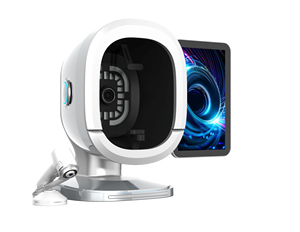
Portable 2025 Smart 3D Skin Analyzer Machine AI Face Skin Diagnostics Scanner
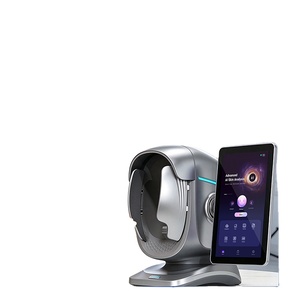
AI Skin Analyzer 7-Inch Touchscreen Facial Scanner 36MP Camera (5-Year Warranty)
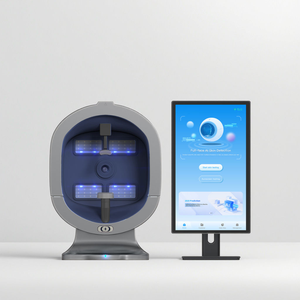
X5 Pro Skin Analyzer for Beauty Salon Moisture Wrinkles Acne Pores Detector 8 Spectrum
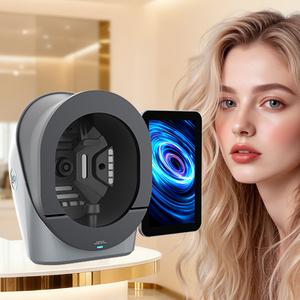
2025 New Arrivals Skin Analyzer Facial Scanning Beauty Device for Pigmentation Acne Analysis
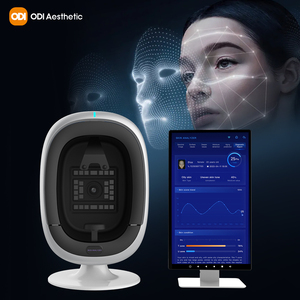
2025 New Digital Skin Analysis 3D Face Pigmentation Skin Tester Machine
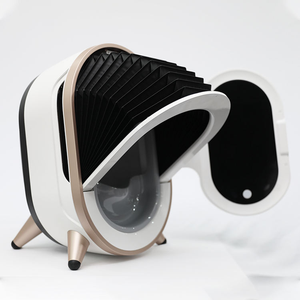
Beauty Salon Supplies Acne Pigmentation Moisture Test 3D Smart Magic Mirror Skin Analyzer
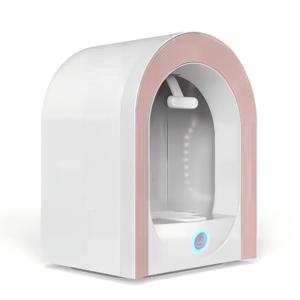
Professional AI Facial Skin Analyzer 3D Digital Detector Melasma Spectrum Analyzer for Salon
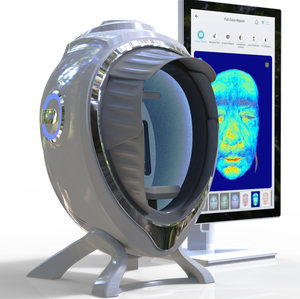
Wholesale Full Face Skin Analyzer Machine Professional Detector for Freckles & Deep Pigmentation
Executive Summary: The Evolution of Diagnostic Skin Hardware in the UAE Market
The aesthetic medicine and cosmetic dermatology sectors within the United Arab Emirates (UAE) are undergoing a monumental paradigm shift. Driven by high consumer purchasing power, world-class healthcare infrastructure in hubs like Dubai Healthcare City (DHCC) and Abu Dhabi’s Department of Health (DOH) regulated districts, and an unprecedented surge in medical tourism, the demand for objective, quantifiable diagnostic technology has never been higher. Modern patients no longer accept subjective visual skin evaluations; they require empirical evidence before investing in high-ticket laser procedures, chemical peels, and regenerative therapies.
Digital skin condition hardware suppliers serving the UAE market must satisfy rigorous engineering and clinical benchmarks. In a region characterized by intense solar UV exposure, extreme temperatures, and a multicultural demographic possessing diverse skin phototypes—ranging predominantly from Fitzpatrick Phototypes III to VI—advanced multispectral imaging systems are indispensable. This technical whitepaper analyzes the top digital skin imaging hardware suppliers serving the UAE market, evaluating optical sensor fidelity, spectral lighting modalities, artificial intelligence diagnostic algorithms, regulatory compliance, and post-sale technical infrastructure.
Localized UAE Aesthetic Market Dynamics & Clinical Demographics
Operating a clinical aesthetic practice in Dubai, Abu Dhabi, or Sharjah presents distinct diagnostic challenges rooted in environmental factors and genetic predispositions. The Arabian Gulf region experiences an annual ultraviolet index (UV Index) that frequently exceeds 11+ (Extreme) for more than six months of the year. Consequently, skin conditions encountered by UAE dermatologists differ significantly from those in North American or Western European markets.
1. Prevalence of Post-Inflammatory Hyperpigmentation (PIH) & Deep Melasma
A substantial portion of the native and expatriate population in the UAE possesses Fitzpatrick Phototypes IV, V, and VI. These skin types are highly prone to melanocyte reactivity. Inappropriate laser fluence or aggressive thermal treatments can trigger severe Post-Inflammatory Hyperpigmentation (PIH). Hardware suppliers serving this market must provide deep-spectrum 365nm UV and Cross-Polarized imaging capable of differentiating between epidermal melasma (which responds to topical therapy and mild peels) and dermal/mixed melasma (which requires cautious, low-fluence picosecond laser intervention).
2. High Ambient Heat & Barrier Function Disruption
The stark contrast between outdoor thermal conditions (often exceeding 45°C) and continuous indoor air conditioning creates chronic transepidermal water loss (TEWL). Diagnostic hardware must incorporate high-precision moisture sensors and sebum mapping algorithms to evaluate skin barrier integrity prior to executing invasive fractional procedures.
3. Regulatory Compliance: DHA, DOH, and MOHAP Frameworks
Medical aesthetic devices sold within the UAE are subject to stringent regulatory oversight by the Ministry of Health and Prevention (MOHAP), the Dubai Health Authority (DHA), and the Abu Dhabi Department of Health (DOH). Suppliers must guarantee that their hardware complies with international electrical safety standards (IEC 60601-1), maintains CE/FDA clearance, and features local cloud-data hosting or encrypted storage that aligns with UAE Federal Law No. 2 of 2019 regarding the Use of Information and Communications Technology in Health Fields.
Multi-Spectral Lighting
Utilizes 10+ distinct illumination modes including Cross-Polarized, Parallel-Polarized, and UV 365nm to visualize sub-surface vascularity and hidden pigmentation.
3D Surface Topography
Quantitative analysis of pore volumetric depth, fine line severity, and structural micro-relief for accurate pre-and-post treatment documentation.
DHA & DOH Compliance
Fully compliant with UAE healthcare data security laws, offering encrypted patient records, DICOM export compatibility, and cloud backup options.
Technical Evaluation Framework for Digital Skin Hardware Procurement
When UAE aesthetic clinic directors and purchasing committees evaluate digital skin analyzer suppliers, reliance on marketing literature is insufficient. A standardized engineering framework must be applied across five primary technical criteria:
1. Optical Resolution and Lens Geometry
The hardware must utilize industrial-grade CMOS or CCD sensors (minimum 24 Megapixels, with premium systems offering 36MP to 50MP resolution). High-resolution sensors are meaningless without distortion-free telecentric lenses that prevent edge fall-off and chromatic aberration. Systems like the flagship Sylton Observ series and specialized 3D analyzers utilize precision optics that maintain identical magnification across the central facial zone and peripheral anatomical contours.
2. Spectral Light Emitting Diode (LED) Stability
Cheap diagnostic machines rely on standard white LEDs with unstable color temperatures that drift over time, invalidating long-term longitudinal treatment tracking. Professional hardware suppliers utilize narrow-band clinical LEDs calibrated to exact color rendering indexes (CRI > 95). Spectral flash output must remain consistent across thousands of exposure cycles, ensuring that a patient scan performed in January can be scientifically compared against a scan taken in October.
3. Co-Registration & Patient Positioning Accuracy
One of the primary causes of diagnostic error in skin condition tracking is inconsistent patient repositioning. Advanced hardware incorporates physical chin-rests, forehead stabilizers, and 3D facial co-registration software. By matching anatomical landmarks (such as the pupil center, nasal ala, and oral commissure), the software automatically overlays baseline and follow-up images with sub-millimeter precision.
4. Artificial Intelligence Algorithm Training Sets
Artificial Intelligence (AI) diagnostic engines are only as reliable as their training databases. Hardware suppliers serving the UAE market must demonstrate that their AI model was trained on diverse global datasets inclusive of Middle Eastern, South Asian, and African skin phototypes. Algorithms trained exclusively on Caucasian populations (Fitzpatrick I-III) frequently misinterpret dense dermal melanin as pathologic lesions or under-calculate vascular erythema due to background melanin masking.
5. Software Integration & Patient Consultation Interface
Hardware cannot exist in isolation. Modern practice management demands seamless connection between the hardware diagnostic unit and clinical iPad/tablet interfaces or desktop workstations. Software suites such as Sylton Connect enable practitioners to present interactive split-screen visual evidence to patients, generating personalized PDF treatment plan proposals that dramatically boost patient conversion and consultation ROI.
Localized Application Scenarios in UAE Clinical & Med-Spa Operations
Scenario A: Pre & Post-Laser Resurfacing in Dubai Clinics
Prior to administering high-energy Erbium:YAG or CO2 fractional resurfacing in Jumeirah or Dubai Healthcare City clinics, practitioners run a full multispectral scan. The 365nm UV mode highlights hidden epidermal sunspots and sub-dermal pigment pools not visible under room light. By documenting pre-existing sub-dermal melanin, the physician adjusts laser parameters to prevent post-laser PIH and provides undeniable baseline visual records should complications arise.
Scenario B: Melasma Depth Differentiation in Abu Dhabi
In Abu Dhabi dermatology centers, treating refractory melasma requires pinpointing whether pigment resides in the epidermis, dermis, or both. Utilizing Cross-Polarized and Wood’s Lamp emulation lighting, the diagnostic hardware isolates the dermal-epidermal junction. Epidermal melasma shows enhanced contrast under UV modes, whereas dermal melasma exhibits soft, diffuse margins under Cross-Polarized light, guiding the clinician toward targeted chemical peels versus micro-needling RF modalities.
Scenario C: Hydration & Barrier Recovery in Luxury MedSpas
High-end wellness resorts and med-spas in Ras Al Khaimah and Dubai utilize 3D facial moisture analyzers to demonstrate the immediate efficacy of hydrating facials, hyaluronic acid micro-injections, and skin booster therapies. By showing a quantitative 35% increase in stratum corneum hydration metrics post-treatment, clinics secure long-term patient retention and repeat treatment package sales.
Scenario D: Anti-Aging & Volumetric Tracking
With the rapid growth of biostimulatory injectables (such as PLLA and Calcium Hydroxylapatite) across the UAE, 3D skin hardware provides topographical contour mapping. Clinicians can track subtle facial volume restoration and fine line depth reductions over 3 to 6 months, giving patients visual proof of neocollagenesis.
Strategic Comparison Matrix: Top 10 Digital Skin Condition Hardware Suppliers Serving UAE
The following evaluation matrix provides purchasing directors with an objective benchmark of leading hardware systems available for deployment across the United Arab Emirates:
| Hardware Supplier / Device | Optical Sensor | Lighting Modalities | Primary UAE Market Focus | Local Warranty & SLA | DHA/DOH Data Ready |
|---|---|---|---|---|---|
| Sylton (Observ 520x Series) | Clinical Telecentric 36MP | 10+ Spectrums (UV, Cross/Parallel, Daylight) | Cosmetic Dermatology & Medical Aesthetics | 5 Years Direct Hardware Replacement | Fully Compliant (Encrypted) |
| Sylton (Observ 320 Series) | High-Precision 24MP | 5 Core Diagnostic Spectrums | Professional Beauty & Luxury MedSpas | 3 Years Comprehensive | Fully Compliant |
| Smart 3D AI Analyzer Pro | 36MP CMOS Sensor | 8 Spectrum Digital Illumination | High-Volume Aesthetic Salons | 2 Years Local Support | Standard Compliant |
| X5 Pro Spectrum Detector | 28MP High-Speed Lens | 8 Spectrum Moisture & Acne Band | Commercial Beauty Centers | 1 Year Limited Warranty | Standard Compliant |
| Magic Mirror 3D Scanner | 20MP Integrated Camera | RGB + UV + Polarized Spectrum | Retail Skincare & MedSpas | 2 Years Hardware Warranty | Basic Compliant |
| Full-Face Pigmentation Unit | 32MP Deep UV Sensor | Deep 365nm UV + Polarized Light | Pigmentation & Laser Centers | 2 Years Local Technical SLA | Fully Compliant |
| Portable Smart AI Diagnostic | 18MP Compact Optical Unit | 6 Dynamic Illumination Modes | Mobile Clinicians & Multi-Branch Spas | 1 Year Exchange Warranty | Cloud-Enabled |
| Digital Surface Melasma Tester | 24MP Ultra-HD Camera | Cross-Polarized & Vascular Band | Dermatology Research & Clinics | 3 Years Full Coverage | Fully Compliant |
| Spectrum Facial Scanner 7-Inch | 36MP Touch-Integrated | Multi-Spectrum AI Analysis | Clinical Consultation Rooms | 5 Years Extended Warranty | Fully Compliant |
| 3D Topographical Pigment Scanner | 30MP Dual-Lens System | 3D Surface Texture + UV Spectrum | Aesthetic Medical Surgery Hubs | 3 Years Premium SLA | Fully Compliant |
Corporate Engineering Superiority & Sylton Observ Hardware DNA
Among global hardware manufacturers, Sylton has established an unassailable reputation for optical engineering excellence, clinical research validation, and robust device construction. Engineered in Europe and distributed through dedicated GCC technical partners, Sylton's Observ series represents the gold standard for clinical skin imaging in the United Arab Emirates.
1. Advanced Optical Architecture & Minimal Specular Reflection
Sylton's proprietary light-guiding technology ensures that light is evenly distributed across the face without hot-spots or glare. By precisely aligning cross-polarization filters with the optical camera axis, Observ devices eliminate surface glare completely, allowing clinicians to view subsurface capillary networks, telangiectasia, and deep dermal melanin clusters with breathtaking clarity.
2. 5-Year Hardware Durability & Reliability Commitment
Recognizing that diagnostic hardware is the operational engine of consultation rooms, Sylton offers industry-leading warranty coverage up to 5 years. Built with solid-state LED illumination arrays rated for over 50,000 operational hours, Observ devices eliminate bulb replacement downtime and costly recalibration fees.
3. Sylton Connect Ecosystem
Hardware is only as effective as the insights it delivers to the patient. The Sylton Connect software platform seamlessly bridges hardware image acquisition with patient consultation logic. Clinicians can generate interactive visual comparisons, highlight problematic zones with color-coded overlays, and securely transfer diagnostic reports to clinic EHR systems or directly to patient mobile devices via encrypted links.
Exhaustive UAE Localized B2B Buyer FAQ
To assist purchasing managers, biomedical engineers, and medical directors across the UAE, our experts have compiled answers to the most frequent procurement questions: