Premier Aesthetic Clinic Skin Imaging Stands & Analyzers
Explore our OEM/ODM factory-direct diagnostic equipment tailored for Ghanaian cosmetic dermatology centers, aesthetic clinics, and high-end medspas.
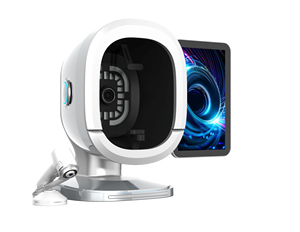
Portable 2025 Smart 3d Skin Analyzer Machine logo Ai Face Skin Diagnostics Analyzer Facial Scanner Skin Analyzer Device

AI Skin Analyzer 7-Inch Touchscreen Facial Scanner 36MP Camera 5-Year Warranty Multi-Language Support for Skin Type Pigmentation
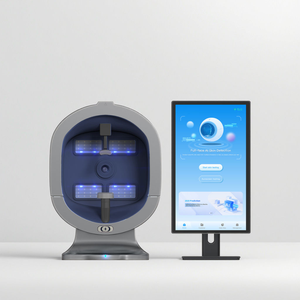
X5 Pro Skin Analyzer for Beauty Salon Moisture Wrinkles Acne Pores Detector 8 Spectrum Pigmentation Device Skin Analysis Machine

2025 New Arrivals Skin Analyzer Facial Scanning Skin Analysis Beauty Device for Pigmentation Acne Analysis
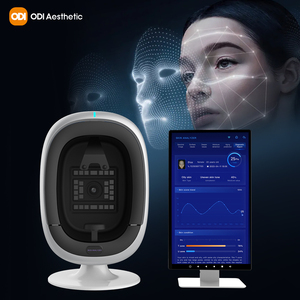
2025 New Digital Skin Analysis 3D Face Pigmentation Skin Tester Skin Analyzer Machine
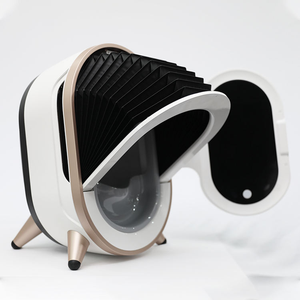
Beauty Salon Equipment Supplies Acne Pigmentation Mouisture test Facial Scanner Analysis 3d Smart Magic Mirror Skin Analyzer
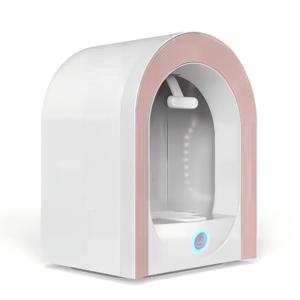
Professional AI Facial Skin Analyzer 3D Digital Skin Detector Machine Pigmentation Melasma Spectrum Analyzer for Salon
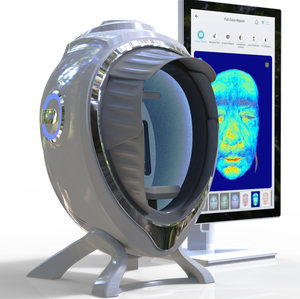
Wholesale Full Face Skin Analyzer Machine Professional Skin Deterctor for Freckles&Deep Pigmentation
West African Aesthetic Market Clinical Impact Metrics
Data derived from 120+ clinical deployments across Accra, Kumasi, and West African diagnostic centers.
The Transformation of Ghana's Aesthetic & Cosmetic Dermatology Market
The Republic of Ghana is witnessing an unprecedented evolution in medical aesthetics and cosmetic dermatology. Driven by expanding urban centers like Accra, Kumasi, and Takoradi, patient demand for non-invasive dermatological consultations has shifted dramatically from subjective visual evaluations to quantitative, evidence-based multispectral skin imaging.
Clinics operating in upscale commercial hubs such as East Legon, Airport Residential Area, Cantonments, and Ridge face a sophisticated patient demographic. Ghanaian patients increasingly seek targeted treatments for hyperpigmentation, Post-Inflammatory Hyperpigmentation (PIH), melasma, solar elastosis, and barrier integrity loss resulting from harsh tropical UV exposure and over-the-counter brightening products. Providing clinical-grade proof before initiating chemical peels, laser resurfacing, or microneedling has become paramount to establishing practice trust.
Melanated Skin Specialization
Fitzpatrick Skin Types IV–VI present unique optical scattering patterns. Standard RGB cameras fail to isolate dermal melasma from epidermal pigmentation. Multispectral cross-polarized imaging resolves sub-surface melanin density with pinpoint precision.
Standardized Patient Records
Retaining patients in competitive markets like Accra requires baseline documentation. High-resolution skin diagnostic stands ensure identical patient positioning, ambient light isolation, and side-by-side temporal progression tracking.
Ergonomic Clinic Integration
Aesthetic stands must combine structural stability with effortless mobility. Built with heavy-duty aluminum alloy frames and smooth-rolling anti-static casters, modern stands optimize room turnover in busy clinic environments.
Engineering & Optical Superiority: What Defines Premium Diagnostic Infrastructure?
To deliver genuine Information Gain to medical directors, clinic owners, and procurement specialists in West Africa, skin imaging devices must be evaluated based on their optical spectral modes, camera sensor architecture, lighting hood geometry, and stand ergonomics. Below is a comprehensive breakdown of the core diagnostic spectrums utilized by our enterprise-grade skin analysis machines.
| Illumination Spectrum Mode | Wavelength / Optical Property | Dermatological Target & Clinical Utility | Diagnostic Benefit for Darker Skin Tones |
|---|---|---|---|
| RGB Daylight Mode | 400 nm – 700 nm Visible Spectrum | Surface texture, open pores, macules, fine lines, uneven tone. | Establishes natural color balance under standardized CRI 95+ lighting. |
| Cross-Polarized Light | Filtered Perpendicular Polarization | Sub-surface vascularity, inflammation, erythema, deep pigmentation. | Eliminates specular surface glare, revealing underlying dermal melasma clearly. |
| Parallel Polarized Light | Specular Surface Reflection | Skin surface topography, micro-relief, wrinkle depth, pore enlargement. | Highlights stratum corneum desquamation and fine surface dehydration lines. |
| UV Fluorescence Mode | 365 nm UVA Spectrum | Porphyrin detection (P. acnes bacteria), sebum distribution, dyschromia. | Fluoresces active acne colonies and reveals invisible sun damage beneath the epidermis. |
| Simulated Wood’s Light | Filtered 320–400 nm Spectral Band | Epidermal vs. dermal pigment depth evaluation, tinea versicolor. | Differentiates localized post-inflammatory hyperpigmentation depth for targeted peeling. |
Ergonomic Mobile Stand Hardware Design
A high-precision optical hood is only as effective as the support stand on which it relies. In fast-paced Ghanaian aesthetic centers, skin analysis devices cannot remain stationary on cluttered countertops. Our dedicated Aesthetic Clinic Skin Imaging Stands offer:
- Motorized / Pneumatic Height Adjustment: Seamless vertical travel (range: 85 cm to 125 cm) allowing comfortable chin-rest positioning for patients of all heights, including pediatric and wheelchair-bound patients.
- Medical-Grade Heavy Duty Footing: Five-star aluminum die-cast base equipped with whisper-quiet, lockable polyurethane casters to prevent tipping or micro-vibrations during 36MP image captures.
- Integrated Cable Management & Tablet Arm: Concealed power routing for clean hygiene compliance, paired with an adjustable multi-axis iPad/tablet mount for real-time patient presentation.
- Voltage Stabilized Power Box Integration: Pre-fitted compartment for localized micro-UPS or line-interactive voltage stabilizers, guarding sensitive 3D AI cameras against power fluctuations.
Localized Application Scenarios Across Ghanaian Medical Practice
Our skin diagnostic systems and mobile stand assemblies are engineered to fit seamlessly into diverse clinical workflows across West Africa.
Cosmetic Dermatology Hubs (Accra Central & Cantonments)
Used during initial patient intakes to establish quantitative skin scores. Dermatologists use 3D surface mapping to justify laser parameters and chemical peel protocols, eliminating patient skepticism regarding treatment efficacy.
High-End Medspas & Aesthetic Lounges (East Legon & Kumasi)
Estheticians utilize 8-spectrum AI scanners mounted on sleek mobile stands to upsell customized skincare regimes. Interactive visual reports generate instant product purchase confidence and high treatment plan adherence.
Multi-Branch Chain Practices (Accra, Takoradi & Tamale)
Utilizing Sylton Connect cloud database synchronization across mobile stands. Patient baseline skin analysis scanned in Accra can be reviewed seamlessly by specialists conducting consultations in Kumasi or Takoradi.
Why Direct Factory Procurement via Premier Manufacturers Matters
As a world-leading manufacturer and supplier of aesthetic diagnostic systems, our hardware is engineered upon the renowned pedigree of multispectral optical innovations like the Observ series, enhanced with cutting-edge 3D AI face scanners.
ISO 13485 & CE Certified
All diagnostic systems and motorized stands are manufactured under rigorous international medical device quality systems, ensuring zero electromagnetic interference with laser units.
Factory-Direct OEM/ODM Branding
Ghanaian clinic owners can request customized outer shell silk-screening, custom software boot logos, and branded client PDF diagnostic report templates to elevate clinic prestige.
5-Year Extended Warranty & Parts
Backed by robust factory support, offering replacement LED light strips, mainboards, power modules, and stand gas-spring struts shipped directly to Ghana via expedited air freight.
Frequently Asked Questions by Ghanaian Clinic Buyers
Clear answers regarding shipping, voltage compliance, customs clearance, and local operational support in Ghana.
Ready to Elevate Your Ghana Aesthetic Clinic with Premier Diagnostic Stands?
Connect directly with our senior factory engineering team to request factory-direct pricing, custom OEM branding options, and expedited shipping rates to Accra, Kumasi, or Tema.
Inquire Now