Recommended Diagnostic Hardware for Hanoi Suppliers & Clinics
Explore top-tier multispectral facial analyzers and 3D diagnostic hardware validated for clinical aesthetics, medical spa consultations, and deep dermal pigment analysis.
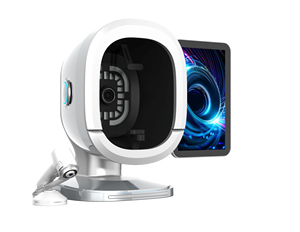
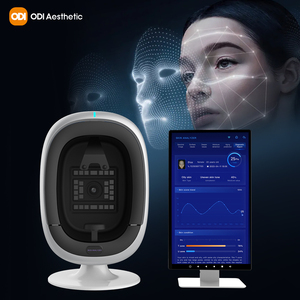
Portable 2025 Smart 3D Skin Analyzer Machine AI Face Diagnostics Scanner
- Tech 3D Surface Reconstruction
- Use Mobile & Multi-Location Clinics
- Feature AI Automated Sub-dermal Analysis
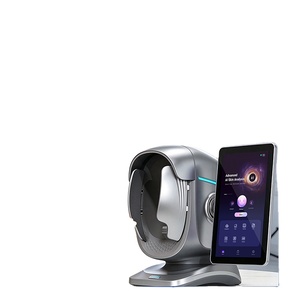
AI Skin Analyzer 7-Inch Touchscreen Facial Scanner 36MP Camera System
- Cam 36 Megapixel HD Matrix
- Screen 7-Inch Integrated Touchscreen
- Warranty 5-Year Global Hardware Support
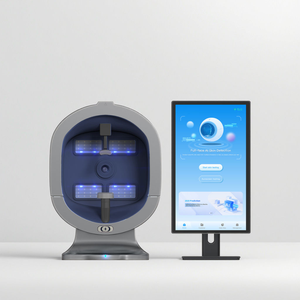
X5 Pro Skin Analyzer 8-Spectrum Moisture & Wrinkle Diagnostic Device
- Spectrum 8 Optical Light Bands
- Detection Sebum, Pores & Deep Wrinkles
- Target Beauty Salons & Aesthetic Centers
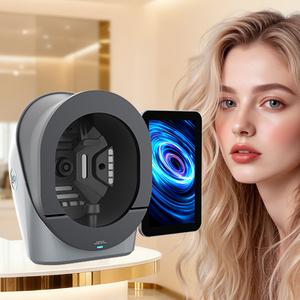
2025 Next-Gen Facial Scanning Analyzer for Pigmentation & Acne Diagnostic
- Focus Epidermal Melasma & Acne Porphyrins
- Speed 15-Second Full Scan Protocol
- Display High-Definition Comparative Metrics
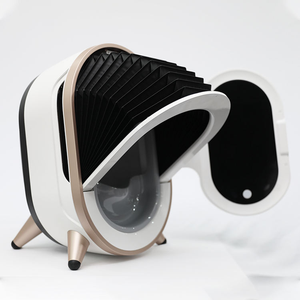
2025 Digital 3D Face Pigmentation & Dermal Density Skin Tester Machine
- Analysis 3D Volumetric Contour Mapping
- Metrics UV Sun Damage & Vascularity
- Software Integrated Patient CRM Database
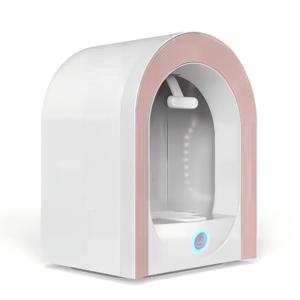
3D Smart Magic Mirror Skin Analyzer for Salons & Cosmetic Centers
- Interface Interactive Magic Mirror Display
- Testing Moisture Hydration & Skin Age
- Output Instant QR-Code Report Sharing
Professional AI Medical 3D Spectrum Analyzer for Melasma & Deep Pigment
- Grade Clinical Dermatology Standards
- Spectral Cross-Polarized & UV Spectrum
- Accuracy Sub-dermal DEJ Vascular Mapping
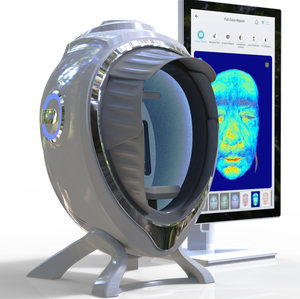
Wholesale Clinical Full Face Skin Analyzer for Freckles & Deep Hyperpigmentation
- Scope Full Facial Dermoscopy Canopy
- Supply Direct Factory B2B Wholesale
- Custom OEM/ODM Logo & UI Localization
1. Executive Summary & Market Intelligence: The Hanoi Aesthetic Ecosystem
The aesthetic medicine and cosmetic dermatology market in Northern Vietnam, centered primarily in Hanoi (spanning strategic business clusters in Hoan Kiem, Ba Dinh, Cau Giay, and Tay Ho districts), is experiencing an unprecedented structural transformation. Driven by rising disposable income, an expanding urban middle class, and an increasingly sophisticated consumer base, the demand for non-invasive cosmetic procedures, laser therapy, and advanced skin rejuvenation has escalated dramatically over the past three years.
However, Hanoi’s unique environmental conditions present complex dermatological challenges. The region experiences a monsoon-influenced humid subtropical climate characterized by extreme seasonal shifts: scorching summers with UV index ratings frequently exceeding 10–11, coupled with severe PM2.5 atmospheric particulate pollution, followed by cold, dry winter months. This environmental volatility exacerbates specific skin pathologies among local patients—most notably post-inflammatory hyperpigmentation (PIH), stubborn melasma, compromised epidermal barrier integrity, enlarged follicular pores, and chronic acne vulgaris associated with Fitzpatrick Skin Types III to V.
To succeed in this hyper-competitive market, medical spa owners, cosmetic dermatologists, and aesthetic equipment suppliers in Hanoi are moving away from subjective visual inspections. Modern patients no longer accept empirical diagnoses; they demand objective, quantifiable visual evidence prior to committing to expensive treatment courses (such as Pico laser sessions, RF microneedling, or chemical peels). This shift makes state-of-the-art skin consultation diagnostic hardware an essential operational asset, transforming raw consultations into data-driven treatment plans.
The Local Diagnostic Dilemma
Superficial visual examination fails to detect sub-dermal melanin accumulation and vascular blushing, leading to premature treatment failure and patient dissatisfaction.
Data-Driven Consultation Trust
Multispectral skin analyzers generate standardized, objective visual reports that increase patient compliance and treatment plan acceptance rates by up to 65%.
2. Spectral Physics & Diagnostic Technology in Modern Hardware
Leading global manufacturers—inspired by clinical multispectral standards like the Sylton Observ 520x and 320 series—have engineered hardware capabilities that split light into precise narrow bands. Understanding the underlying optical physics is critical for Hanoi clinic directors when selecting diagnostic hardware:
Key Light Spectrum Modes & Clinical Utility
Modern clinical skin consultation hardware relies on multiple cross-polarized, parallel-polarized, and specific wavelength LED light sources to reveal distinct layers of skin tissue without physical biopsy:
| Light Illumination Mode | Wavelength / Physics | Diagnostic Clinical Target | Relevance to Hanoi Patients |
|---|---|---|---|
| Daylight Simulation | 5600K Full Spectrum | Surface texture, visible tone, fine lines | Establishes baseline visual reality without ambient room light distortion. |
| Parallel Polarized | Cross-filtering 0° | Epidermal surface smooth/roughness, pores | Maps sebum buildup and micro-relief caused by Hanoi urban air pollution. |
| Cross Polarized | Cross-filtering 90° | Dermal vascularity, erythema, inflammation | Reveals underlying redness, sensitive skin barriers, and rosacea flare-ups. |
| True UV Spectrum | 365 nm Low-Intensity UV | Porphyrins (Acne bacteria), Sun Damage | Exposes sub-surface UV damage caused by high tropical summer UV exposure. |
| Wood's Light Mode | 395 nm Deep Violet | Melanin location (Epidermal vs. Dermal) | Crucial for diagnosing melasma depth before applying high-fluence laser therapy. |
By utilizing 36-Megapixel optical sensors paired with automated facial positioning hoods, advanced diagnostic systems eliminate shadows and light pollution, capturing standardized photos over time. This allows Hanoi practitioners to track subtle improvements across multi-month treatment regimens with absolute scientific repeatability.
3. Localized Application Scenarios Across Hanoi Aesthetic Sectors
To maximize Return on Investment (ROI), skin consultation diagnostic hardware must be deployed strategically according to the target demographic of specific Hanoi commercial hubs:
1. Hoan Kiem & Ba Dinh (Luxury Medical Dermatology Clinics)
Primary Application: Deep Melasma Classification & Post-Laser Monitoring.
Practitioners require high-end multispectral devices (e.g., 36MP AI Skin Analyzers) to differentiate epidermal hyperpigmentation from dermal nevus of Hori prior to executing pico-second laser protocols.
2. Cau Giay & Thanh Xuan (Youth & Student Spa Hubs)
Primary Application: Acne Porphyrin Mapping & Sebum Control.
Spas catering to university students and young professionals utilize 3D Smart Magic Mirror systems to visually highlight clogged pores and C. acnes bacterial colonies, driving sales of deep-cleansing facial packages.
3. Tay Ho / West Lake District (Expat & Wellness Centers)
Primary Application: Anti-Aging & UV Damage Quantification.
International clients demand comprehensive English/Multi-language diagnostic printouts. Highlighting dermal collagen loss and premature photo-aging builds immediate trust for premium anti-aging treatment packages.
4. OEM/ODM Wholesale Supply Networks (Hanoi Equipment Distributors)
Primary Application: Scalable B2B Hardware Distribution.
Hanoi-based aesthetic suppliers sourcing hardware from global manufacturers look for customizable software branding, local voltage compliance (220V/50Hz), and robust 5-year hardware warranties.
4. Key Advantages of Leading Hardware Manufacturers
When evaluating global manufacturers and direct B2B suppliers for the Hanoi market, clinical directors must prioritize structural quality, optic precision, and long-term technical support. Our referenced product suite delivers key institutional advantages:
- High-Precision Optical Sensors: Utilizing genuine 36MP HD matrix camera hardware capable of capturing micro-dermal structures down to 10 microns, eliminating motion blur and pixel compression artifacts.
- Multi-Language Software Architecture: Fully localized user interfaces supporting Vietnamese, English, French, and East Asian languages, allowing local Hanoi staff to operate machines effortlessly.
- Seamless CRM & Cloud Data Integration: Systems come equipped with tablet/PC sync platforms (compatible with iPad, Windows, and Android), allowing instant PDF report generation and QR-code transfer directly to patient smartphones.
- Tropicalized Hardware Coating & Electronics: Internal PCB boards are treated with anti-humidity coatings designed to withstand Hanoi's intense summer humidity without sensor fogging or circuit oxidation.
- Complete OEM/ODM Flexibility: Direct factory customization options for Hanoi distributors, including customized outer casing colors, custom boot-up logos, and tailored diagnostic algorithms.
5. Frequently Asked Questions by Hanoi Equipment Buyers
Why is multispectral skin analysis crucial for clinics operating in Hanoi?
Hanoi's high UV index and heavy urban dust accelerate sub-dermal pigmentation and follicular blockage. Standard white light consultations cannot reveal underlying melasma or damaged vascular networks. Multispectral imaging allows doctors to detect pigment depth early, preventing laser-induced hypopigmentation or PIH.
Are these diagnostic machines compliant with Vietnam voltage and regulatory standards?
Yes. All recommended units operate on standard 220V / 50Hz electrical supply with built-in surge protection. Furthermore, devices carry international CE, ISO13485, and RoHS certifications, making them fully compliant for import approval through the Vietnam Ministry of Health (Bộ Y tế).
Can the software interface be operated in Vietnamese language?
Absolutely. The diagnostic software platform features comprehensive multi-language support, including native Vietnamese and English. This allows Hanoi spa technicians to easily navigate scans while providing clear, readable diagnostic reports to local clients.
What is the typical ROI period for a spa or clinic in Northern Vietnam?
Most aesthetic clinics in Hanoi achieve full ROI within 2 to 4 months. By integrating skin diagnostic hardware into initial consultation protocols, clinics report a 40%–60% increase in high-ticket treatment package conversions (such as laser cycles, microneedling, and premium skin barrier repair therapies).
How are technical maintenance and hardware replacement parts handled in Hanoi?
We maintain dedicated local distributor partnerships and technical service channels in Hanoi. Replacement LED light modules, optical lenses, and mainboard components are backed by up to 5-year warranties, ensuring minimal downtime for your clinic operations.
What is the difference between 3D Magic Mirror and 36MP AI Diagnostic systems?
3D Magic Mirror systems excel in rapid visual presentation, skin age scoring, and client-facing interactive consultations—ideal for commercial aesthetic spas. 36MP AI Diagnostic systems offer higher optical resolution, precise spectral separation, and scientific metrics suitable for clinical dermatology and medical research environments.
Upgrade Your Hanoi Practice with Next-Gen Diagnostics
Request an instant hardware catalog, wholesale pricing breakdown, or schedule a virtual live demonstration with our regional equipment specialists today.
Get Catalog